


Home
Products
Medical Simulation
Testing Equipments
Testing System
Testing Services
Blog
Showcase
Product Introduction
Product Video
Industry News
About
Company Overview
Technical Highlights
Contact
Contact Information
Leave a Message
DeWei Medical's Intelligent Blood Flow Platform: An Innovative Solution Empowering Device R&D, Testing, and Market Demonstrations
The DeWei Medical Vascular Intervention Surgery Simulation System stands out as a reliable partner for R&D testing of vascular intervention medical devices and a powerful assistant for market demonstrations, thanks to its unique patented technology, cutting-edge core functionalities, and versatile applicability across various scenarios. With its stable performance, user-friendly operation, and intuitive feedback mechanisms, the system not only provides R&D teams with precise data support, accelerating product iteration and upgrades, but also allows for a comprehensive showcase of product value at trade show booths—ultimately boosting market promotion efforts. By choosing this system, companies can significantly enhance R&D efficiency, reduce testing costs, and elevate the professionalism and persuasiveness of their market presentations, thereby strengthening their competitive edge in the industry.
View All
China-approved thoracic and abdominal aortic stent marks the beginning of a new era in minimally invasive treatment.
On November 6, 2025, the National Medical Products Administration officially approved the market launch of the thoracoabdominal aortic covered stent-graft system. This landmark event marks a critical breakthrough for China in the field of advanced interventional medical devices, offering patients with high-risk conditions such as thoracoabdominal aortic aneurysms and aortic dissections less invasive, yet safer, treatment options. As a key bridge connecting laboratories to clinical practice, the testing process directly determines the safety and effectiveness of the device.
R&D Innovation Backed by Academic Expertise: Exploring the Core Value of Derui Medical's Simulation Technology Through a 3D Colon Model
In traditional medical device and drug development, animal testing often encounters the challenge of "predictive bias" due to species differences. This issue is particularly pronounced in colorectal cancer drug screening, where the physiological discrepancies between animal and human colons frequently lead to the failure of promising preclinical compounds during clinical trials. However, researchers at the University of California, Irvine, have developed a "3D in-vivo model of the human colon," offering a precise, personalized medicine approach—and providing an ethical, more accurate, and cost-effective alternative to conventional animal testing.
The New Frontier in Cardiovascular Intervention: Market Opportunities and the Path to Breakthrough for Intracardiac Echocardiography (ICE)
ICE is increasingly being applied in areas such as cardiac electrophysiology therapy, minimally invasive treatment of valvular diseases, cardiac pacing, and intraoperative monitoring during congenital heart defect closure procedures. At the same time, it is playing an ever-more critical role in preoperative diagnosis of complex structural heart diseases. Currently, the most established application area remains arrhythmia management.
Nanosecond pulse technology breaks new ground in atrial fibrillation treatment, with simulation tests driving innovation in medical devices—DeWei Medical empowers a new frontier in minimally invasive interventions.
Recently, the globally first nanosecond pulsed electric field ablation (nsPFA) system, NxPFA(®), independently developed by Shenzhen Maiwei Medical Technology Co., Ltd., has officially received approval from the National Medical Products Administration for market launch. This product marks the first medical device in China to utilize nanosecond-level pulse width and high-voltage pulsed electric fields for the treatment of atrial fibrillation. This milestone signifies a major technological breakthrough in China’s cardiovascular intervention therapy field.
Medtronic partners with DASI Simulations to advance the future of TAVR through predictive modeling and personalized planning.
Medtronic plc, a leader in the medical technology sector, has formed a strategic partnership with DASI Simulations, a pioneer in AI-driven predictive modeling and digital twin technologies. This collaboration aims to broaden access to DASI’s cutting-edge technologies, ultimately enhancing outcomes for U.S. patients undergoing transcatheter aortic valve replacement (TAVR). By integrating DASI’s advanced AI-based predictive modeling and digital twin capabilities into the TAVR workflow, clinicians will gain independent, device-agnostic insights that can optimize patient care.
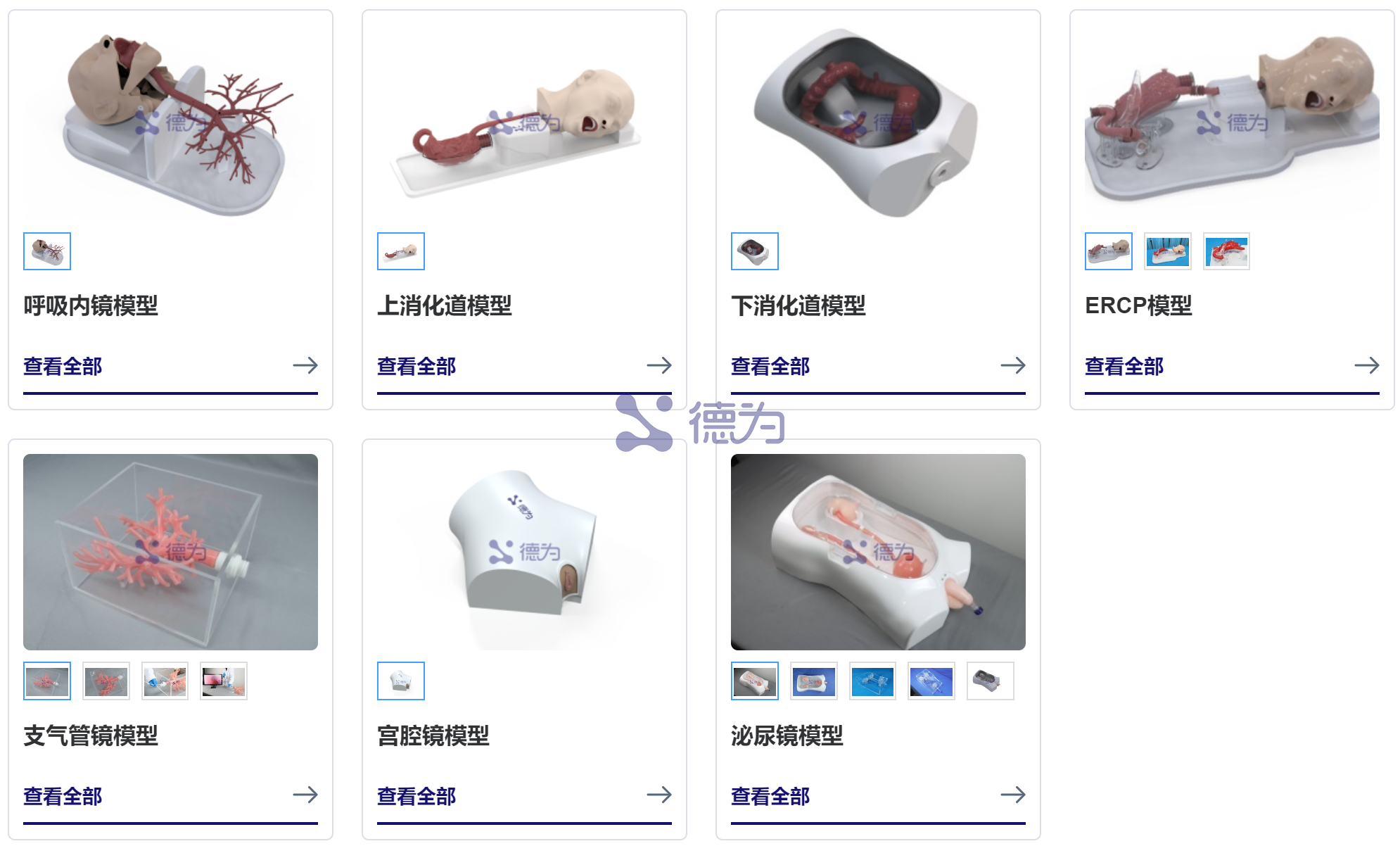
Amid the rapid growth of the global endoscope market, DeWei Medical Endoscopy Models are supporting the R&D and testing of medical devices.
In the context of the global endoscopic device market, which continues to grow and sees ongoing technological innovation, minimally invasive interventional device companies are increasingly in need of high-quality R&D testing. Dewei Medical’s endoscope models—boasting high levels of realism, anatomical accuracy, versatility, and a wide range of advanced features—effectively address critical challenges faced by device manufacturers during R&D testing. By enhancing both development efficiency and product quality, these models empower companies to gain a competitive edge in today’s fiercely contested market, ultimately driving the sustainable and healthy growth of the endoscopic equipment industry.
The Trio of Instrument Innovation: Building Blocks for Simulation Testing Under Miniaturization, Smart Integration, and Physiological Adaptation
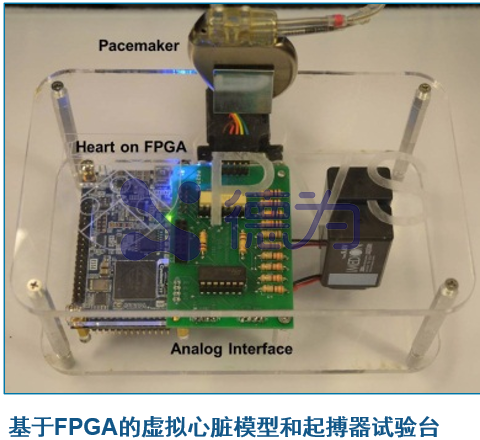
Revolutionizing Pacemaker Testing Paradigms with a Real-Time Closed-Loop Electrophysiological Heart Model: A Systemic Breakthrough from One-Way Validation to Dynamic Interaction
A research team from the University of Pennsylvania has enabled the testing of personalized treatment plans using patient-specific heart models. Doctors can now simulate how different pacing parameters would affect a particular patient in a virtual environment, allowing them to identify the optimal settings. "This technology provides "post-procedure insights" that are unavailable through conventional tests. By virtually recreating how CRT impacts cardiac electrophysiological-mechanical coupling, it accurately predicts real-world treatment responses." This is especially true for patients without left bundle branch block, where traditional prediction methods tend to be less reliable. In contrast, virtual cardiac resynchronization therapy based on patient-specific heart models has successfully improved predictive accuracy, demonstrating significant clinical potential.
UDI Full Coverage Countdown: The Digital Revolution in Medical Device Regulation and Its Role in Protecting People's Livelihoods
On September 25, 2025, the Comprehensive Department of the National Medical Products Administration released two draft announcements seeking public input on the implementation of Unique Device Identification (UDI) for medical devices: "Announcement on Matters Relating to the Implementation of UDI for Specific Scenarios (Draft for Comments)" and "Announcement on Effectively Carrying Out UDI Implementation Work for Subsequent Product Categories (Draft for Comments)." This move aims to further align with relevant regulations and guidelines, while advancing the seamless integration of UDI across key sectors such as regulation, healthcare, and medical insurance.
The CCI 10th Anniversary Conference Sparks a Surge in Medical Device Innovation, While Dewei Medical's Simulation Models Lay a Solid Foundation for R&D Validation.
An Analysis of Hot Trends in Simulation Models for Medical Device R&D in 2025
Request a quote
*Please keep your phone accessible—we'll reach out to you within 24 hours.