

Home
Products
Medical Simulation
Testing Equipments
Testing System
Testing Services
Blog
Showcase
Product Introduction
Product Video
Industry News
About
Company Overview
Technical Highlights
Contact
Contact Information
Leave a Message
Nature | Milli-spinner: Germany’s DeWei Medical Powers Stanford’s Zhao Ruikai Team to Achieve a Breakthrough in Thrombosis Treatment
On June 4, 2025, Professor Yilong Chang’s team from Stanford University (with Yilong Chang as the first author) published a groundbreaking research paper titled "Milli-spinner Thrombectomy" in the prestigious international academic journal *Nature*. The Milli-spinner thrombectomy technique leverages rotational forces to generate compressive and shear stresses, mechanically densifying the fibrin network within blood clots and significantly reducing their volume. This approach effectively addresses the longstanding challenge of removing large, fibrin-rich clots that are notoriously difficult for conventional mechanical thrombectomy methods to tackle. Both in vitro and in vivo experiments demonstrated that this innovative technology can rapidly and efficiently restore blood flow while maintaining excellent safety profiles. As a result, it holds immense potential for broad clinical applications—particularly in treating acute ischemic stroke and life-threatening conditions like pulmonary embolism, where timely revascularization is critical.
View All
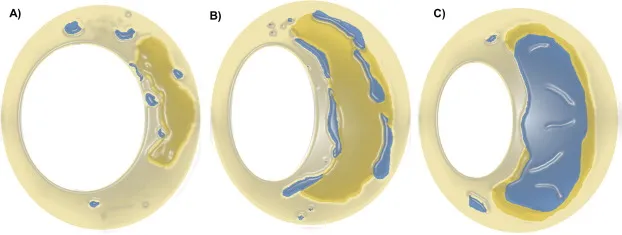
A new breakthrough in carotid plaque phantoms: Testing model lesions with custom-tailored elastic modulus.
In the field of medical technology, even a micrometer-level error can determine the course of life. Atherosclerosis is a chronic condition that begins with lipid metabolism abnormalities, leading to inflammation within the vessel lumen, intimal necrosis, and fibrosis—ultimately resulting in plaque formation at specific sites along the arterial walls. Over decades of gradual progression, these plaques may trigger acute cardiovascular or cerebrovascular events such as stroke or myocardial infarction.
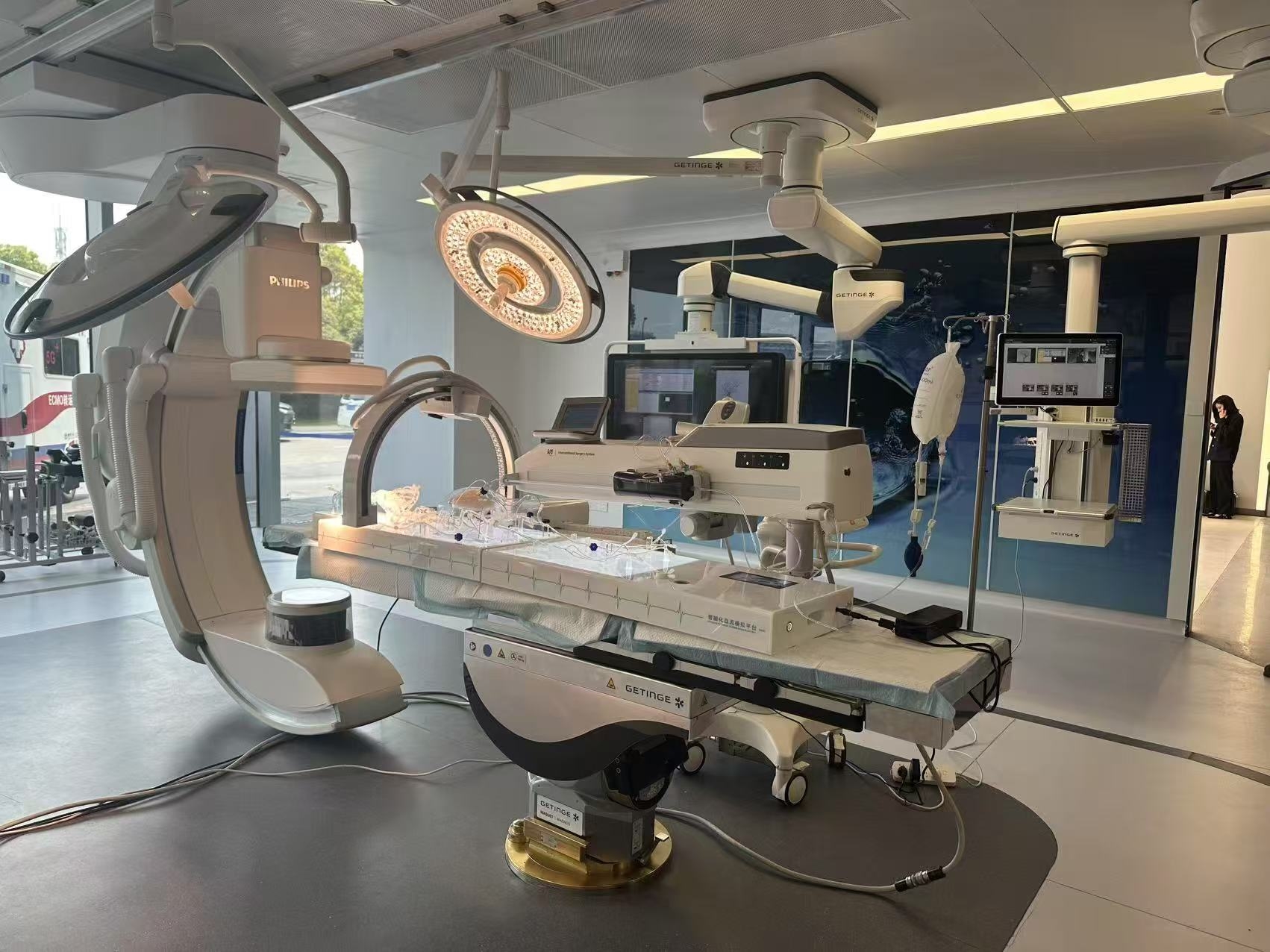
DeWei Medical showcases innovative applications of medical simulation models, offering an immersive experience with interactive exhibits featuring interventional devices.
In today’s rapidly advancing medical technology landscape, interventional devices—now the cornerstone of modern minimally invasive treatments—are undergoing unprecedentedly rapid iterations and updates. For device manufacturers, a high-quality interventional device showroom is not just a showcase for their products; it also serves as a vital platform to demonstrate technological expertise and attract both partners and potential customers.
DeWei All-Brain Silicone Vascular Model: Technology Empowers DSA Angiography Research
Cerebrovascular diseases significantly contribute to global mortality and long-term disability (Vaduganathan et al., 2022). In recent years, thanks to advances in medical and imaging technologies, the mortality rates associated with intracranial arterial (IA) diseases—such as intracranial artery stenosis (ICAS), middle cerebral artery occlusion (MCAO), and intracranial aneurysms—have declined (Hess, 2018).
Endoscopic Intervention Urology System Model – Customizable Simulation Silicone Intervention Model
Urinary tract stones are a common condition in urology. As early as 1901, stones were discovered in the pelvic bones of mummies from ancient Egyptian tombs. Today, they account for 6% to 10% of all urinary system disorders, and their incidence has been steadily rising in recent years, placing a significant burden on healthcare systems worldwide.
TAVR heart model precisely simulates blood flow, driving innovation in surgical techniques.
The medical understanding and treatment of aortic stenosis (AS) have evolved significantly over centuries of exploration and advancement. In the early stages, little was known about its underlying pathological mechanisms—only by the 19th century, with advances in anatomy and pathology, did scientists begin to clearly link it to abnormalities in valve structure. By the mid-20th century, the advent of echocardiography allowed doctors to more accurately assess the severity of valve narrowing and evaluate cardiac function, dramatically improving diagnostic capabilities. In terms of treatment, early approaches relied primarily on medications to alleviate symptoms, though these methods offered only limited effectiveness.
Pioneering the pulmonary artery vascular model, DeWe Shining at the "1st Western Pulmonary Vascular Science Conference"
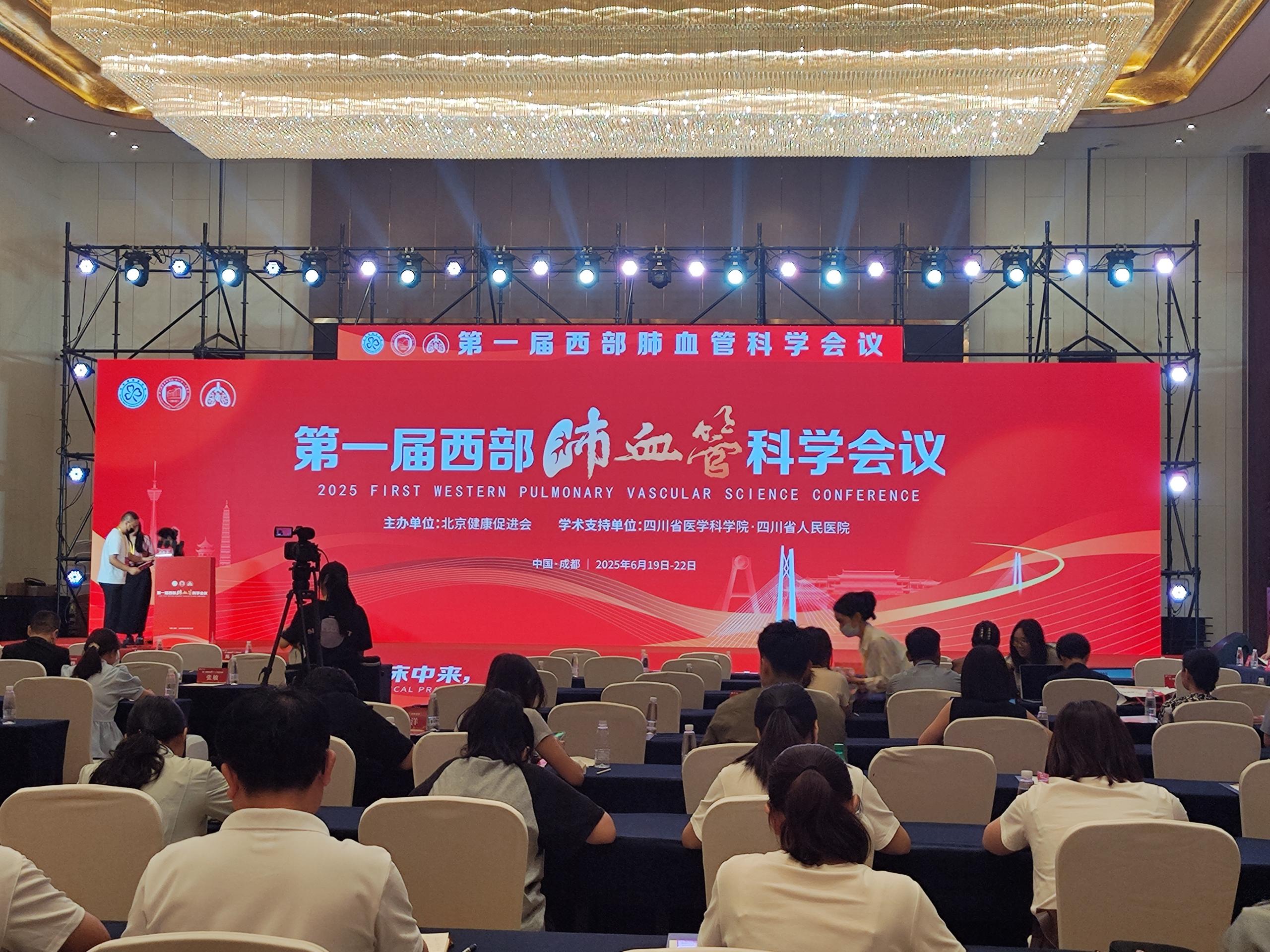
From June 19 to 22, 2025, the "1st Western China Pulmonary Vascular Science Conference," hosted by the Beijing Health Promotion Association and academically supported by the Sichuan Academy of Medical Sciences & Sichuan Provincial People's Hospital, was held grandly in Chengdu. This prestigious academic event, bringing together leading experts from home and abroad, featured the theme "Opening a New Chapter—Fusing Innovation" and focused on cutting-edge advancements in the diagnosis, treatment, and research of pulmonary vascular diseases.
DeWei Medical's intelligent blood flow platform supports innovative applications of Zhongtian Medical's neurointerventional devices.
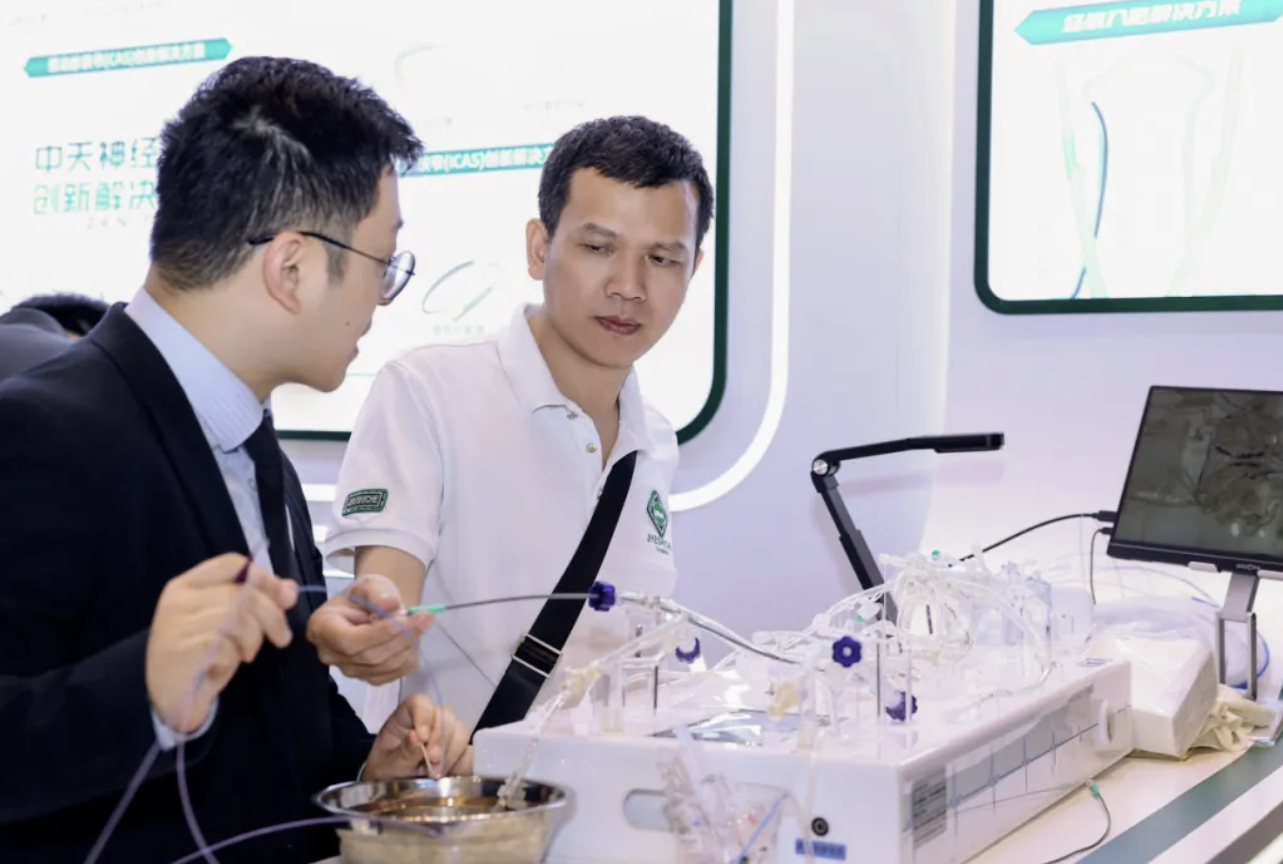
At OCIN & WLNC 2025, Zhongtian Medical proudly unveiled its globally pioneering woven microguidewire "Tianzhi™" and the all-scenario thrombus aspiration catheter "Tianjiao™." DeWei Medical, a technology company specializing in intelligent medical simulation systems, leverages its seasoned core team—veterans in medical simulation innovation—to deliver cutting-edge solutions. With their innovative neurointerventional vascular models and intelligent blood flow platform, DeWei is supporting Zhongtian Medical in advancing groundbreaking applications within the field of neurointervention.
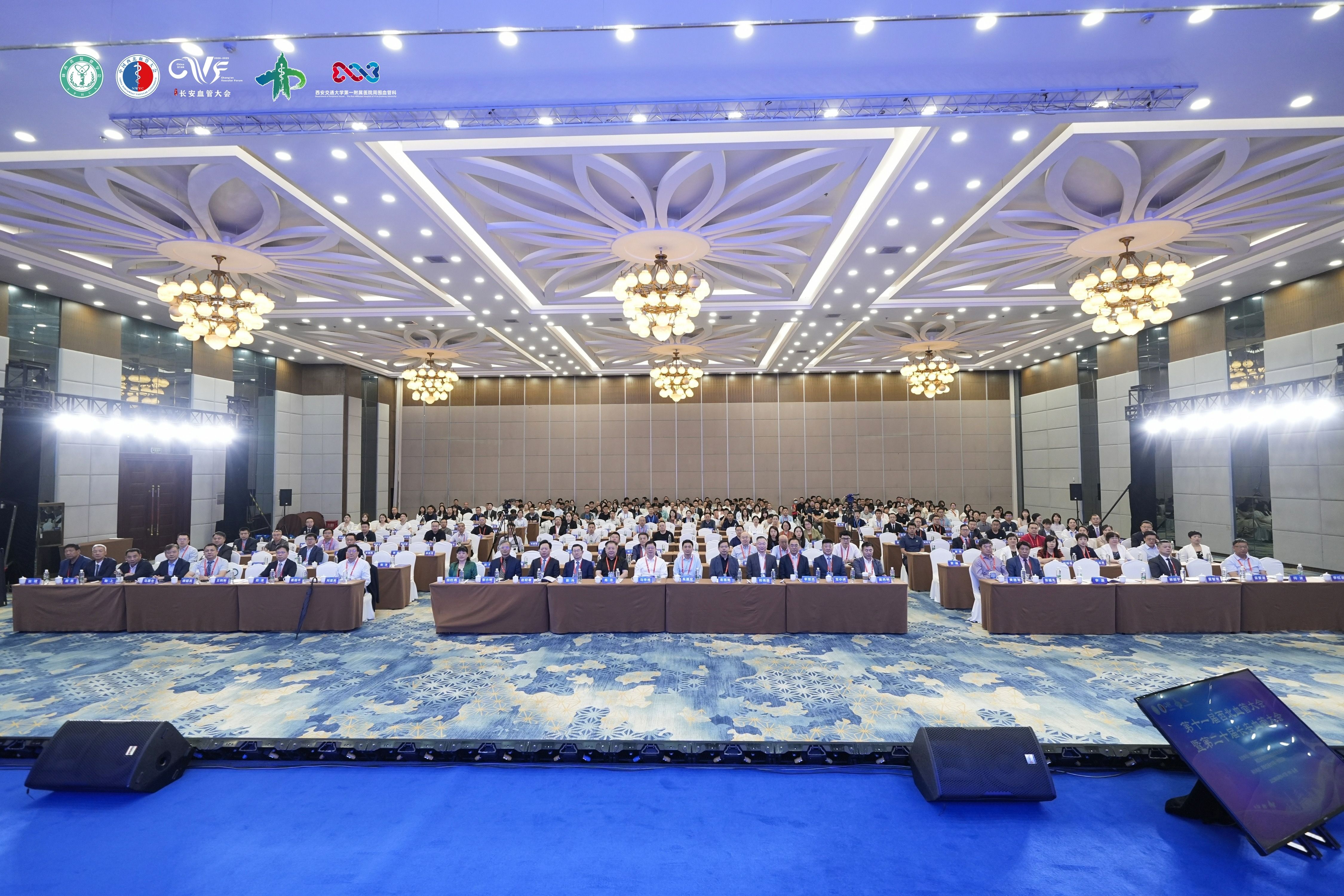
DeWei Medical attends the 11th Northwest Vascular Conference to jointly explore a new future for vascular health.
The 11th Northwest Vascular Conference and the 20th Chang'an Vascular Conference will be held in Xi'an on June 6–7, 2025. Organized by the Shaanxi Provincial Health Care Association and others, the event will be hosted by the First Affiliated Hospital of Xi'an Jiaotong University. The conference will feature in-depth discussions on vascular diseases, along with the introduction of a challenging case competition and a cloud-based teaching platform. These initiatives aim to foster academic exchange, advance consensus-building in diagnosis and treatment, and ultimately support the development of Healthy China.
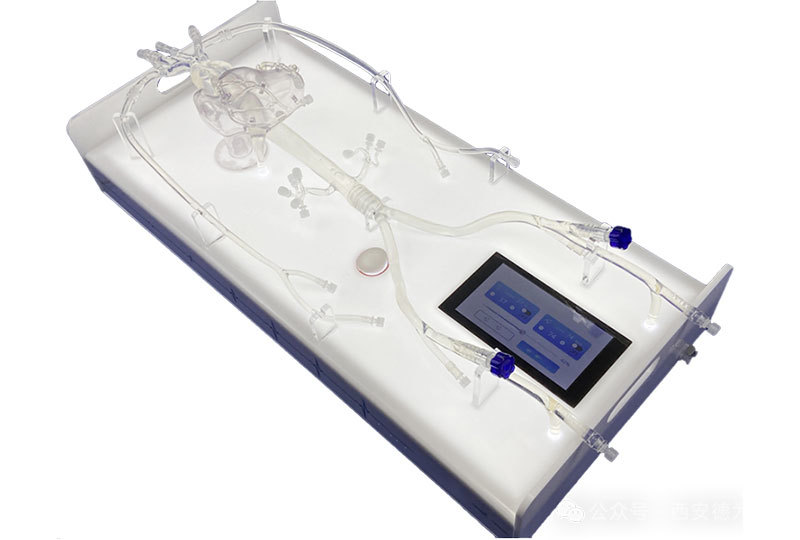
Coronary Intervention Vascular Model – Minimally Invasive Interventional Device Testing
The heart is often referred to as the body's "perpetual motion machine," and any heart-related condition should not be taken lightly. Coronary artery disease, in particular, is a fairly common cardiovascular disorder. Officially known as coronary atherosclerotic heart disease, this condition essentially occurs when the blood vessels that supply the heart—known as coronary arteries—become narrowed or blocked due to various factors. This restricts the flow of blood to the heart muscle, leading to ischemia, oxygen deprivation, or even tissue death. As a result, patients may experience symptoms like angina or, in severe cases, even sudden cardiac arrest and death.
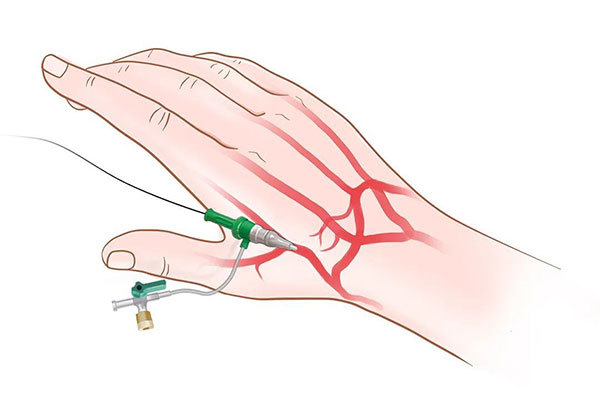
Radial Artery Puncture Arm Model—Puncture-Resistant Silicone with Ultrasound-Visible Features
In the fields of medical education and clinical skills training, radial artery puncture is one of the essential skills that healthcare professionals must master. However, performing this procedure in real clinical settings carries high risks, and patients often have limited cooperation, making it challenging to meet the demand for repeated practice. That’s where the radial artery puncture arm model comes in—offering a highly realistic structure and functionality, it provides medical practitioners with a safe and efficient platform for hands-on training.
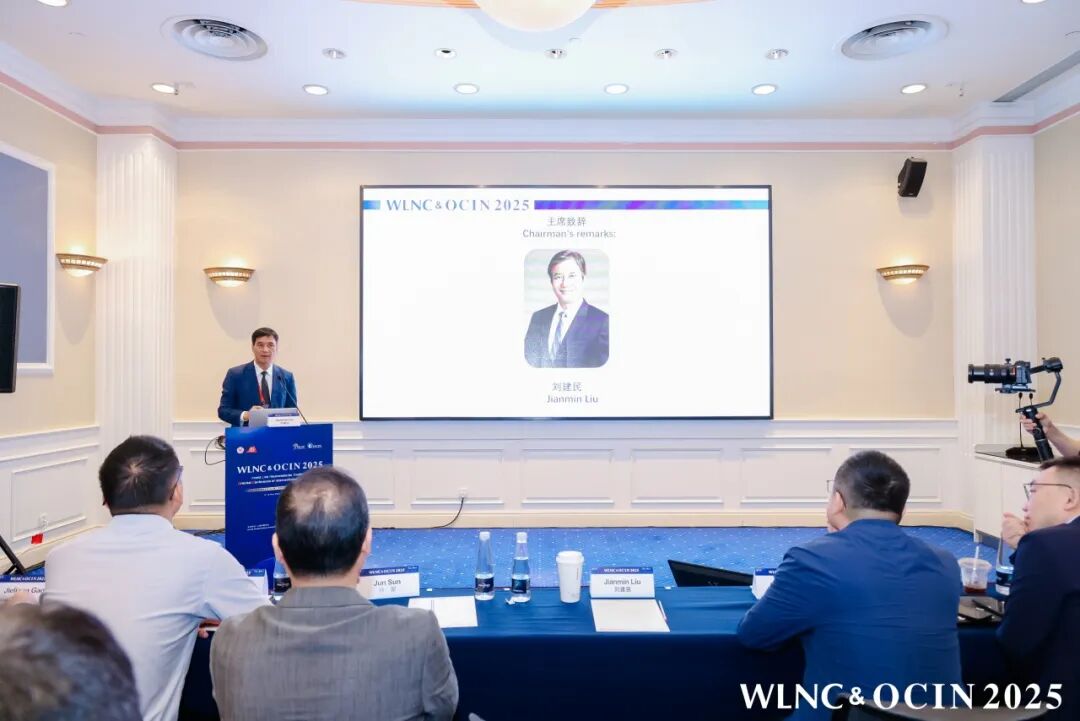
Focusing on intelligent neurointervention, Dewei Medical's blood flow platform technology empowers the clinical application of vascular intervention robots.
From May 15 to 18, 2025, WLNC & OCIN 2025, along with the Annual Academic Conference of the Stroke Branch of the Shanghai Medical Association, was held in Shanghai. On the morning of May 18, the "Neurointerventional Robotics Forum" took center stage, as experts delved into how intelligent robotic technologies are revolutionizing the field of neurointervention. Notably, medical simulation models—critical for the practical application of interventional robot systems—gained significant attention. DeWe Medical’s innovative vascular simulation models provide a cutting-edge solution, offering professional support for clinical validation and realistic scenario replication of neurointerventional robots.
Request a quote
*Please keep your phone accessible—we'll reach out to you within 24 hours.