

Minimally Invasive Intervention Simulation Testing Solution Provider
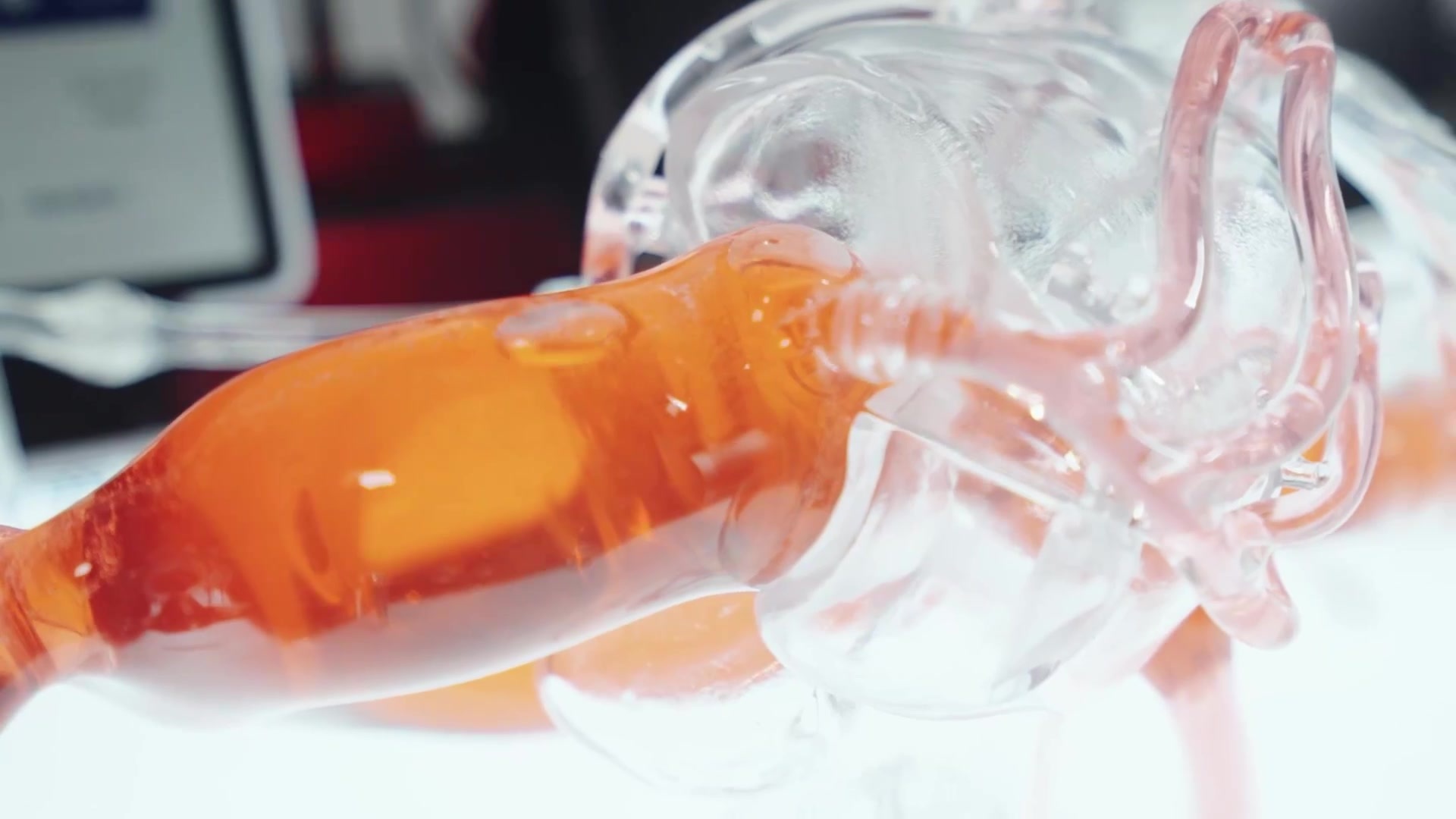

Minimally Invasive Intervention Simulation Testing Solution Provider
Safeguarding medical technology innovation with professional testing technologies and services
Learn morescroll down
Simulation Capabilities
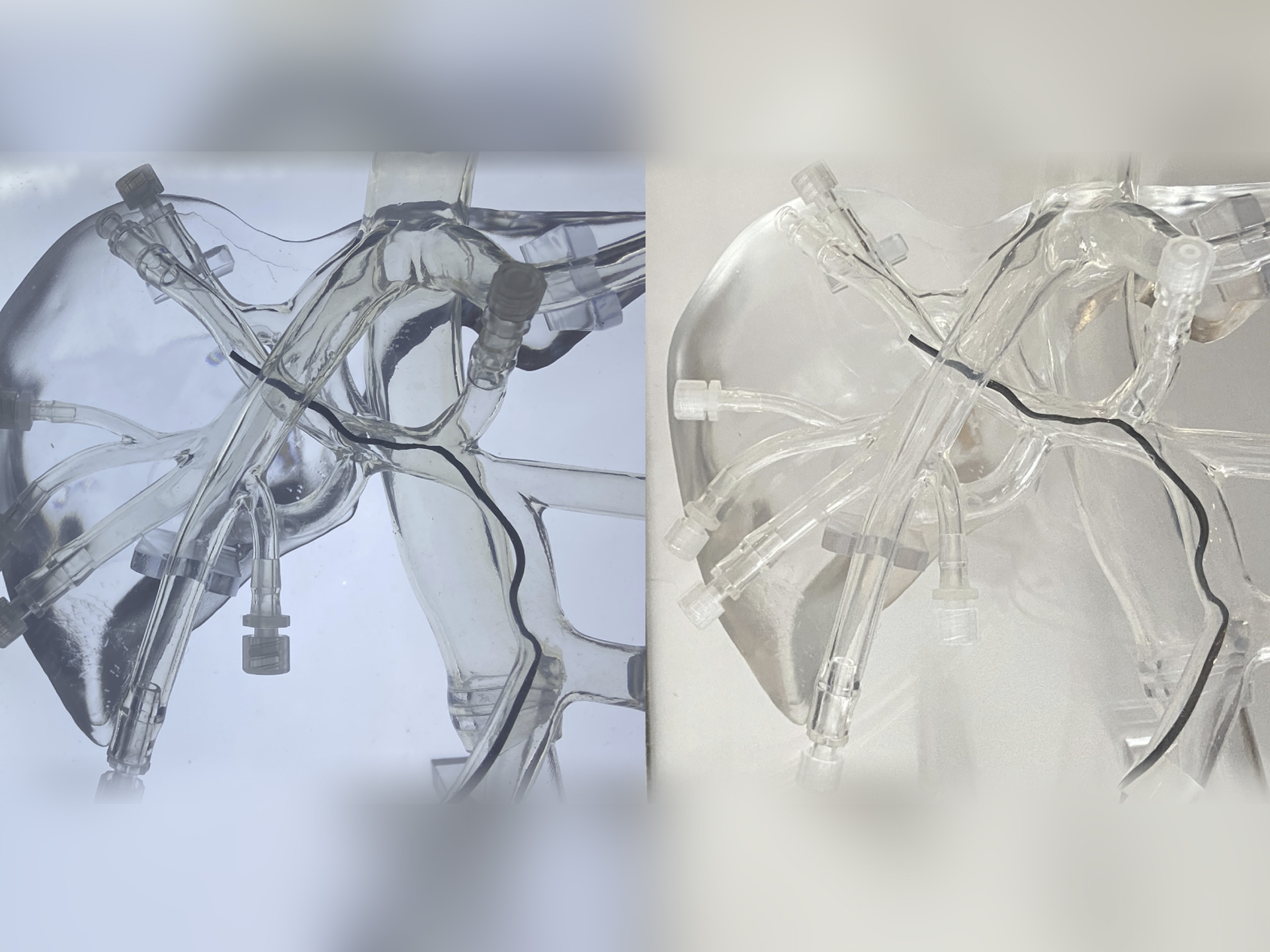
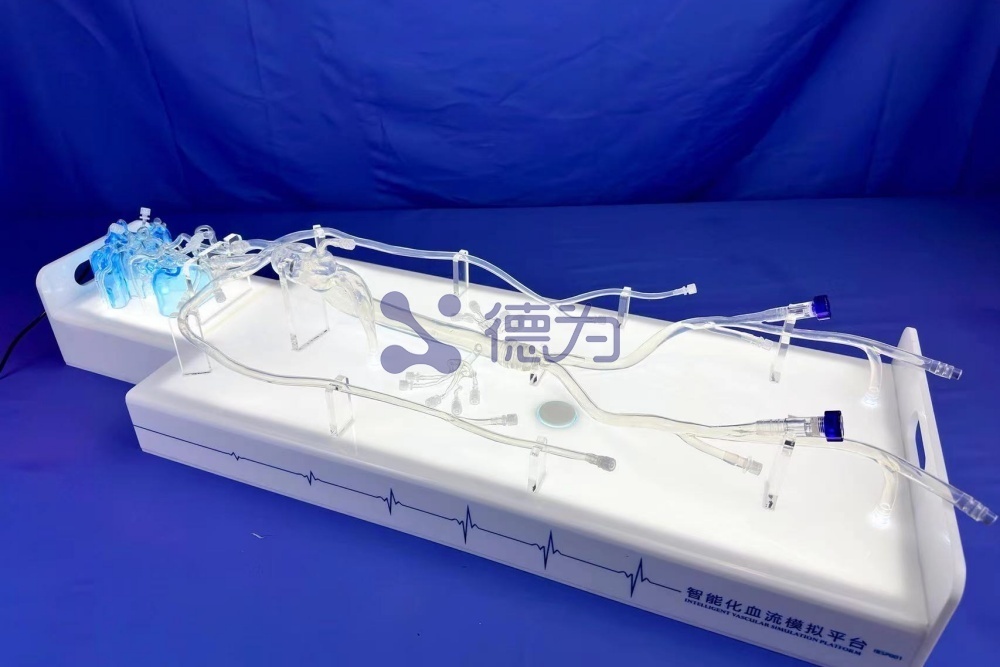
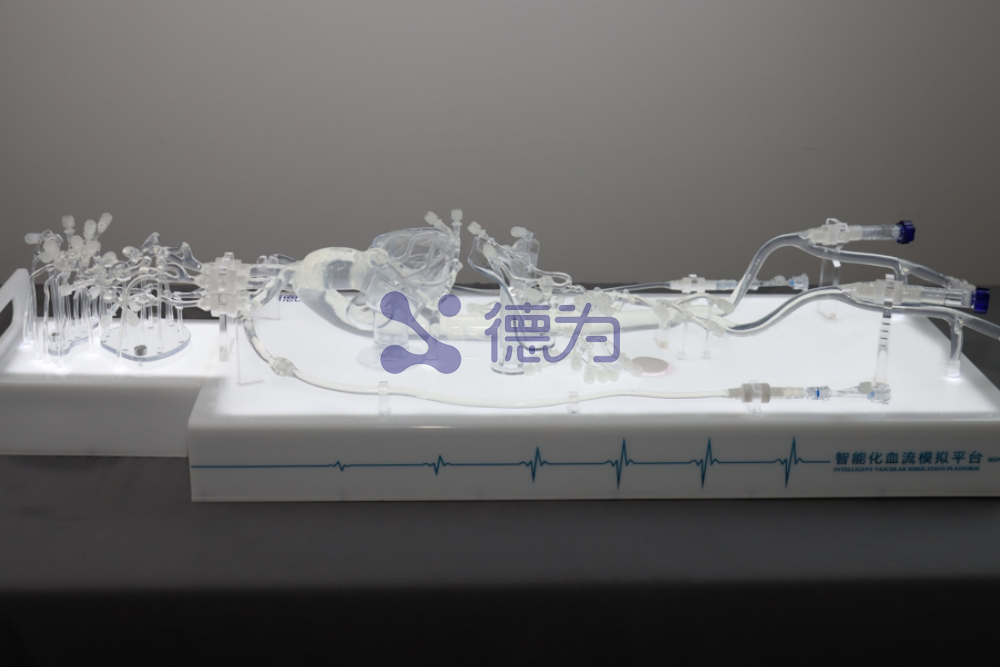
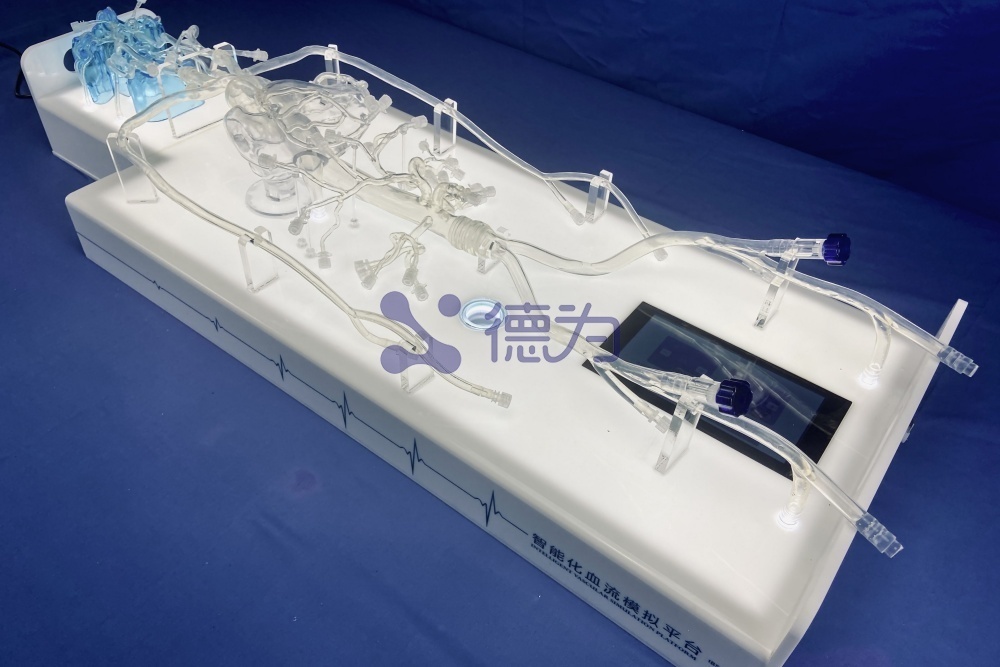
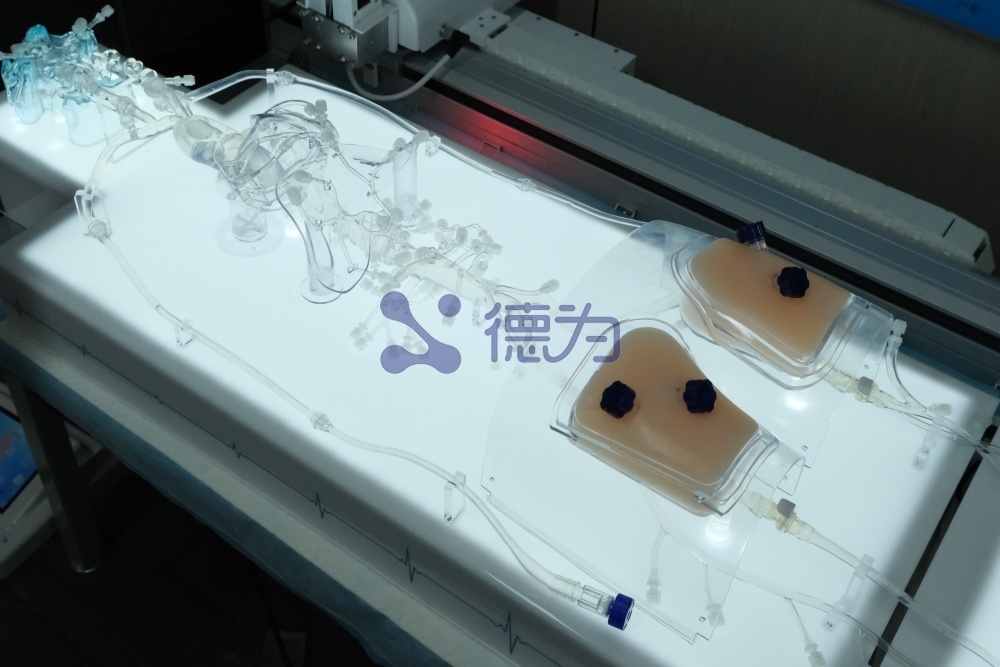
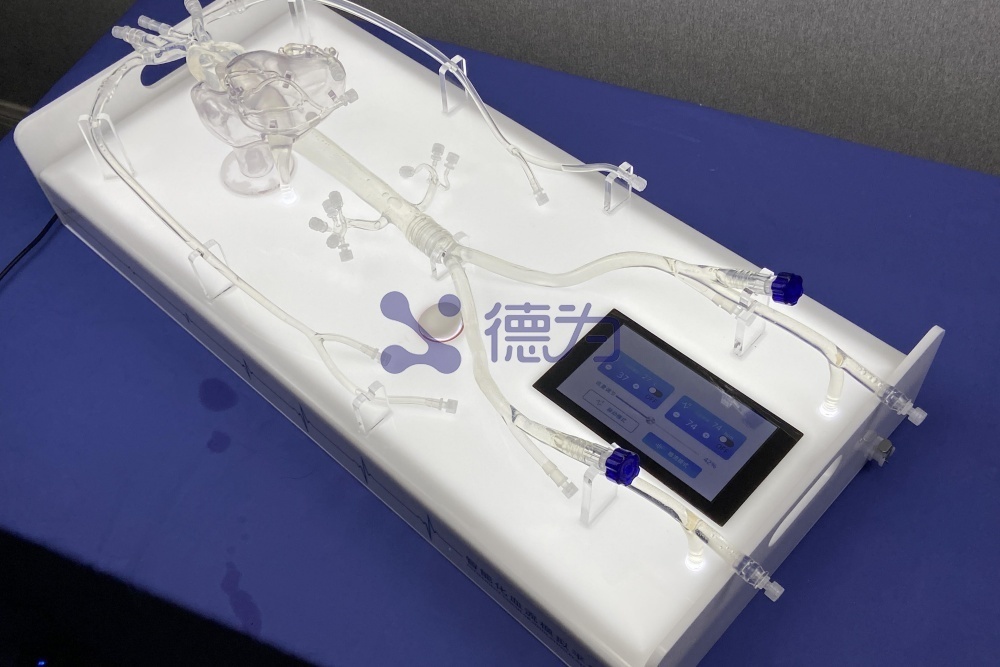
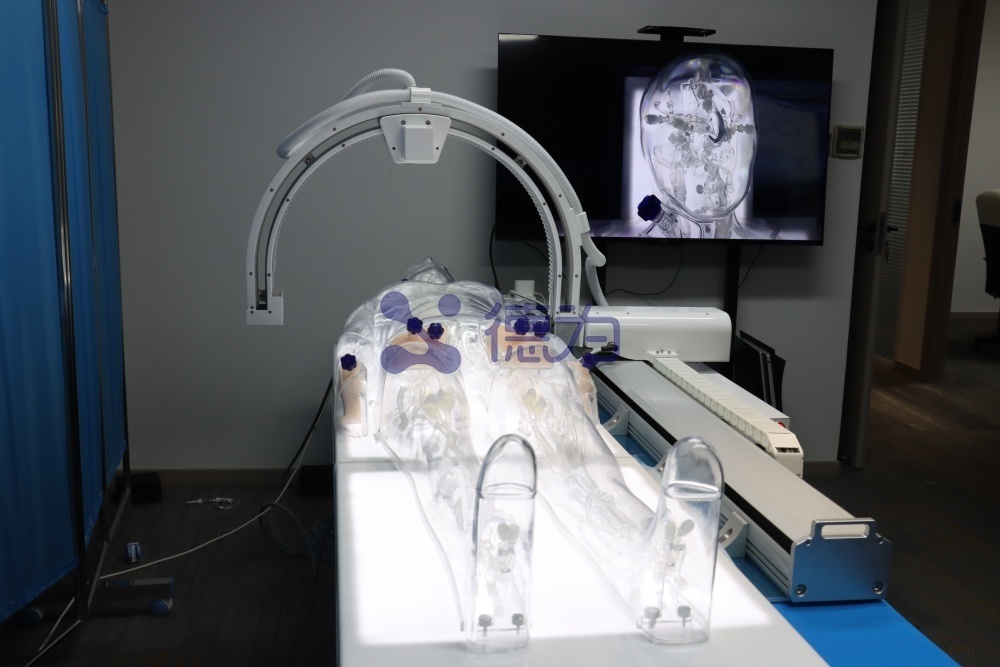
One-click Shadowless Illumination
Built-in illuminated panel ensures even lighting, making instruments clearly visible.
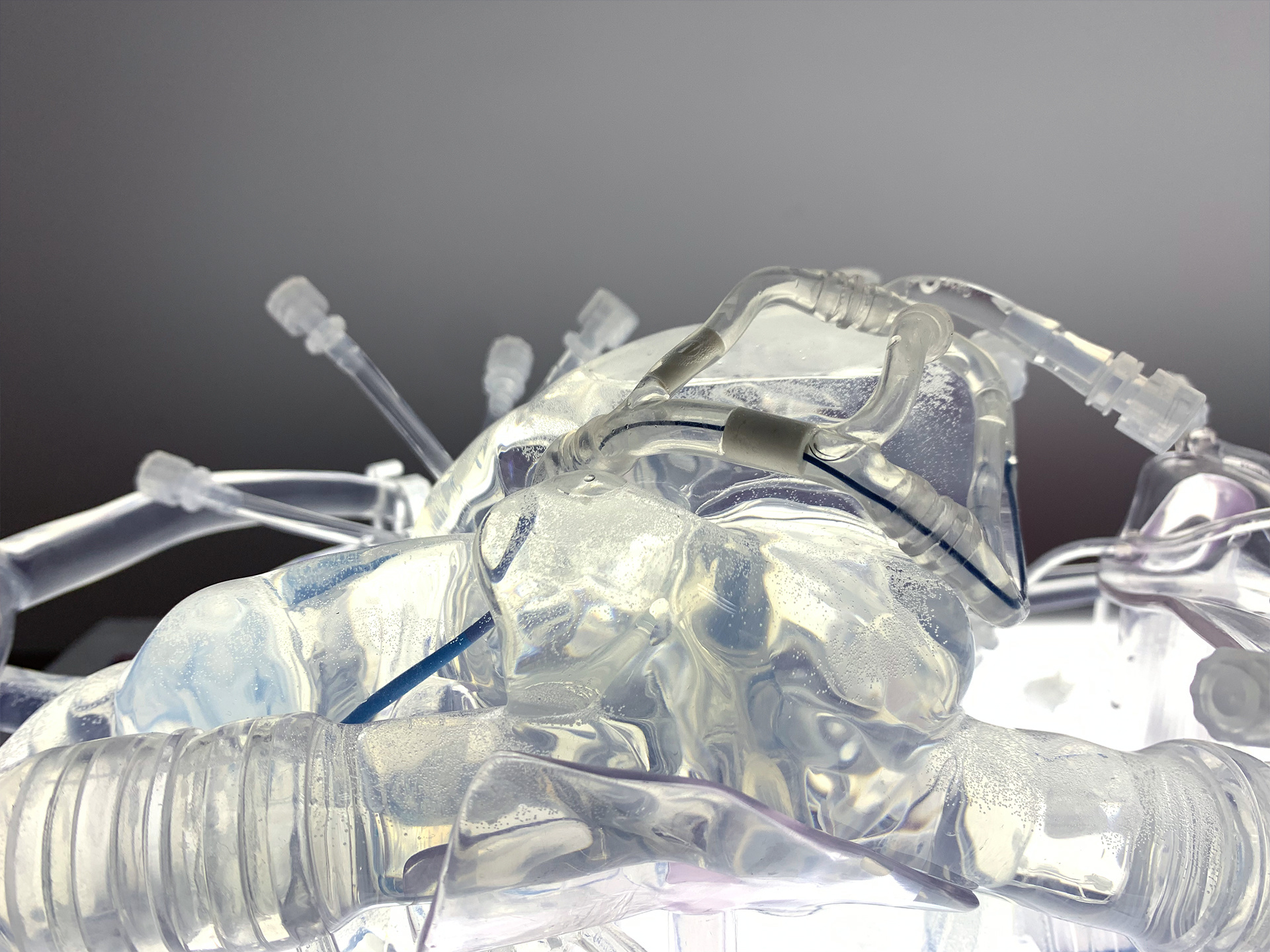
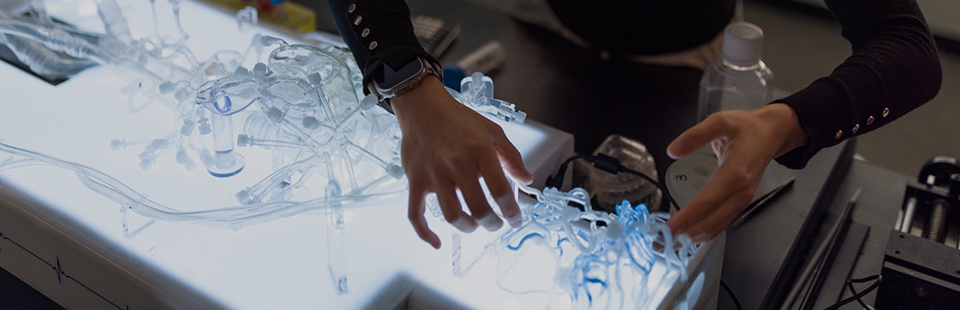
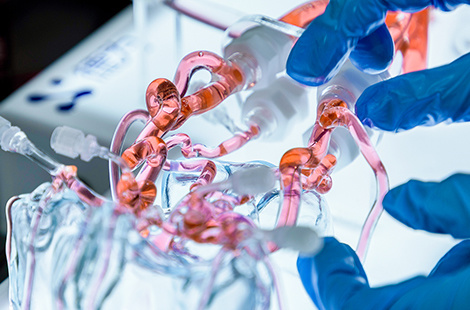
Customizable Lesion Modules
Customizable structural, functional, inflammatory, thrombotic, and tumoral lesions
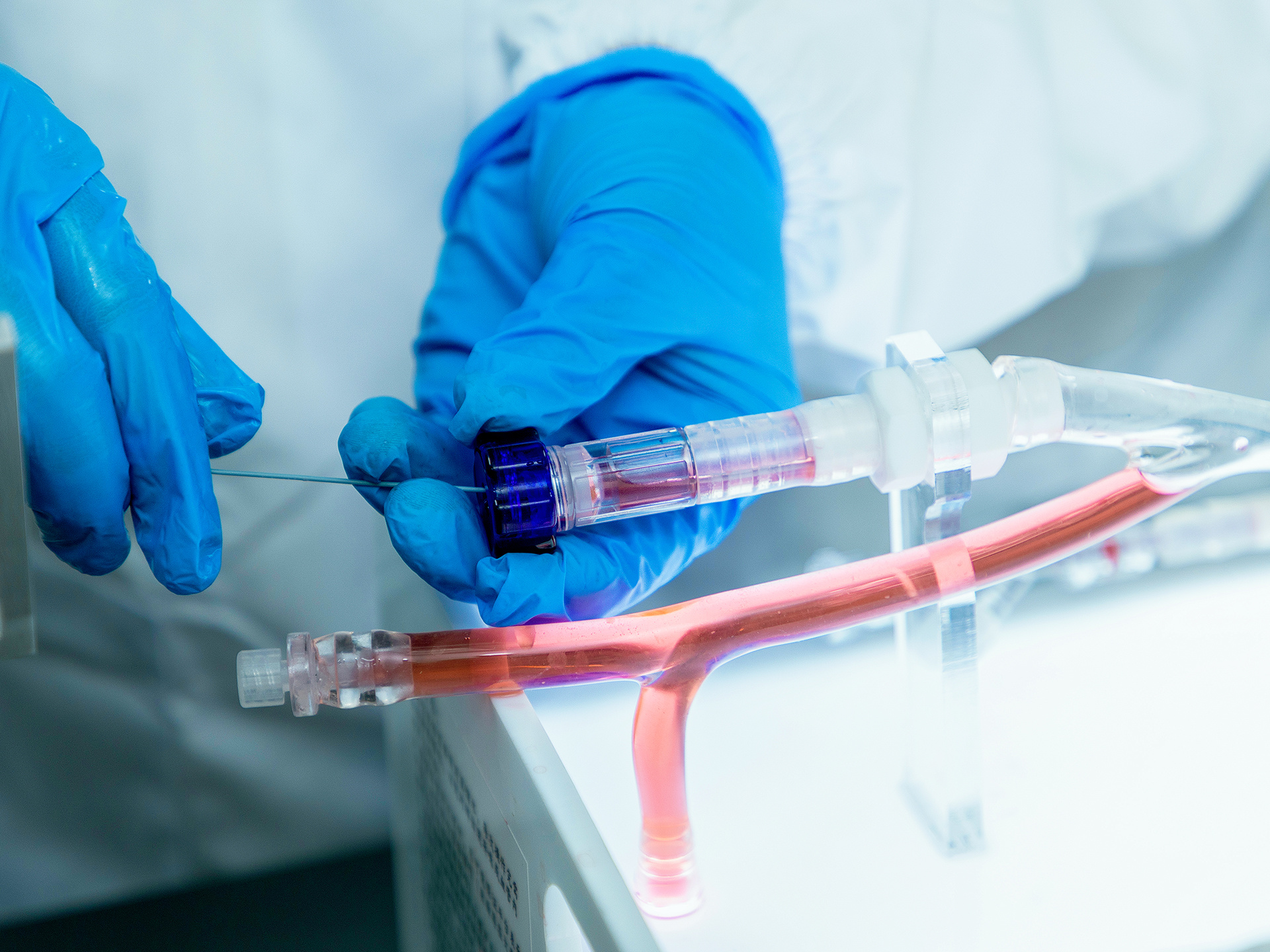
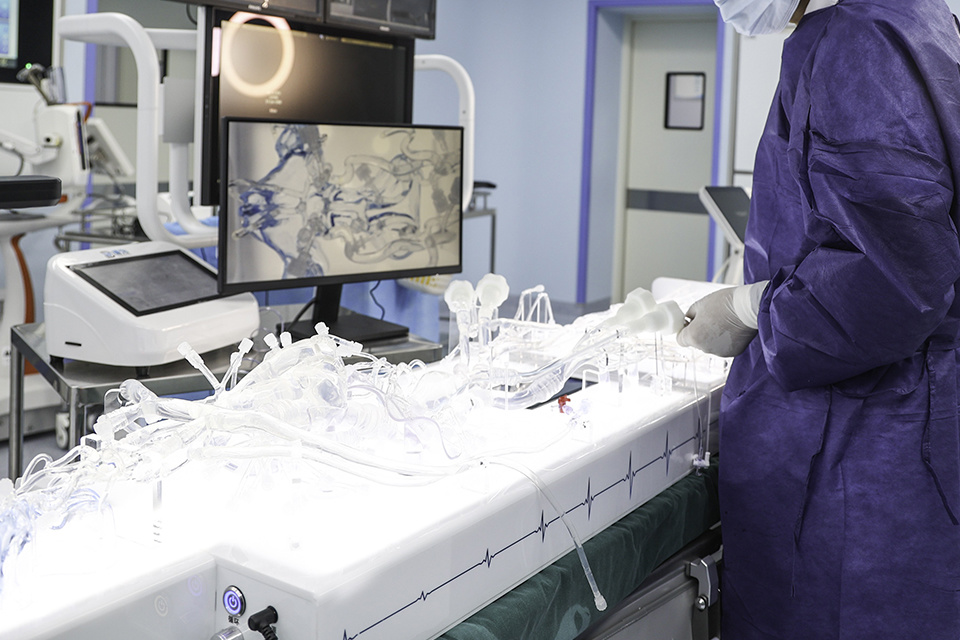
Multi-procedure Interventional Simulation
Balloon angioplasty, stenting, embolization, thrombolysis/thrombectomy, and filter placement
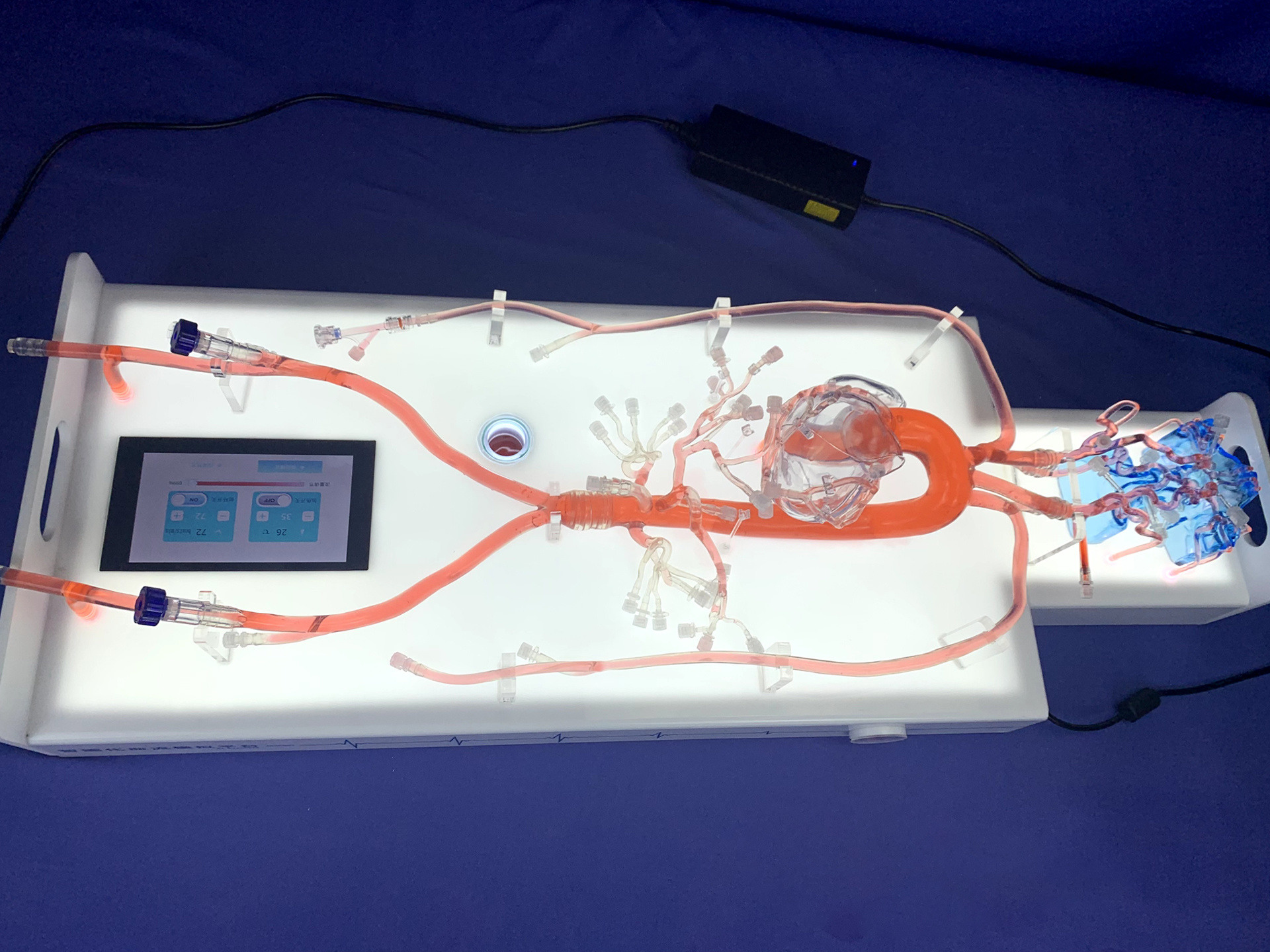
Integrated All-in-One Design
Integrates pipelines, pump body, control components, and the lighting system into a single unit—no messy piping involved.

Intelligent Flow Control
External HD touch screen allows adjustable blood flow parameters such as flow rate and pulsation.
PRODUCT CENTER
Products


-
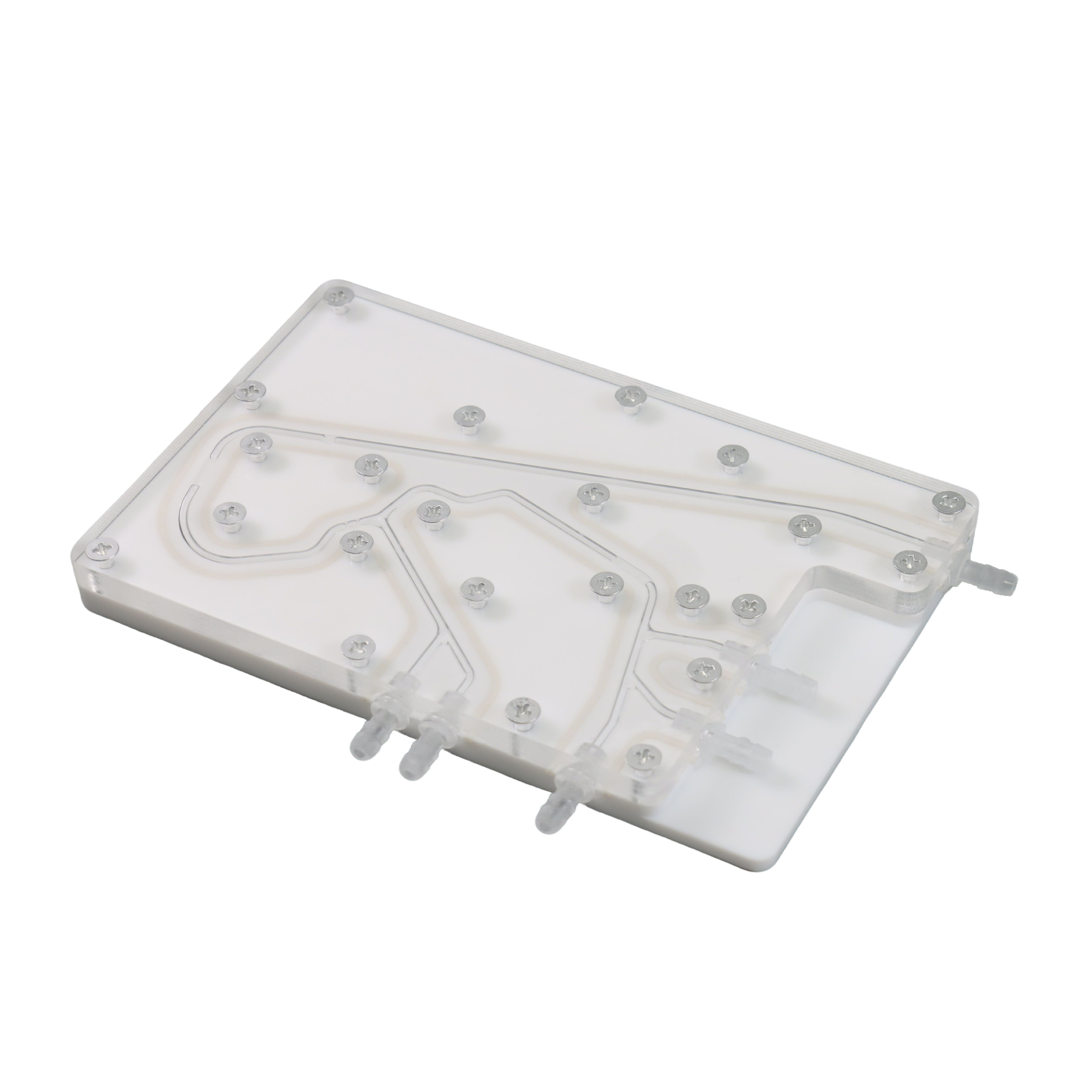
Neurovascular Model – R&D Version>
-
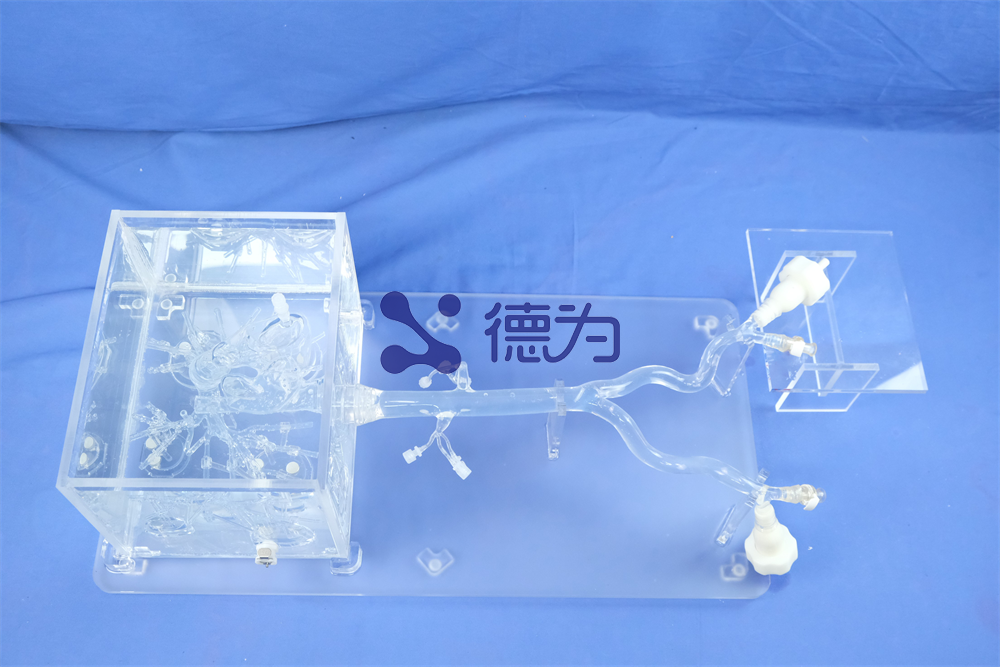
Research and Development Model for Cardiovascular and Cerebrovascular Peripheral Vessels>
-
Cardiovascular and Cerebrovascular Peripheral Vessel Model – Demonstration Version>
-
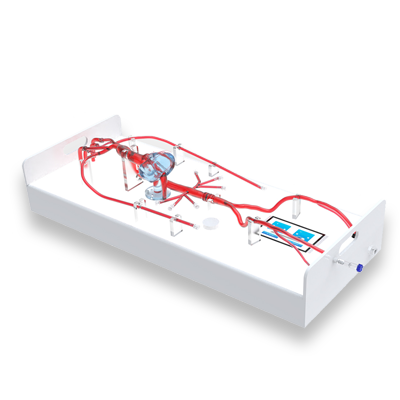
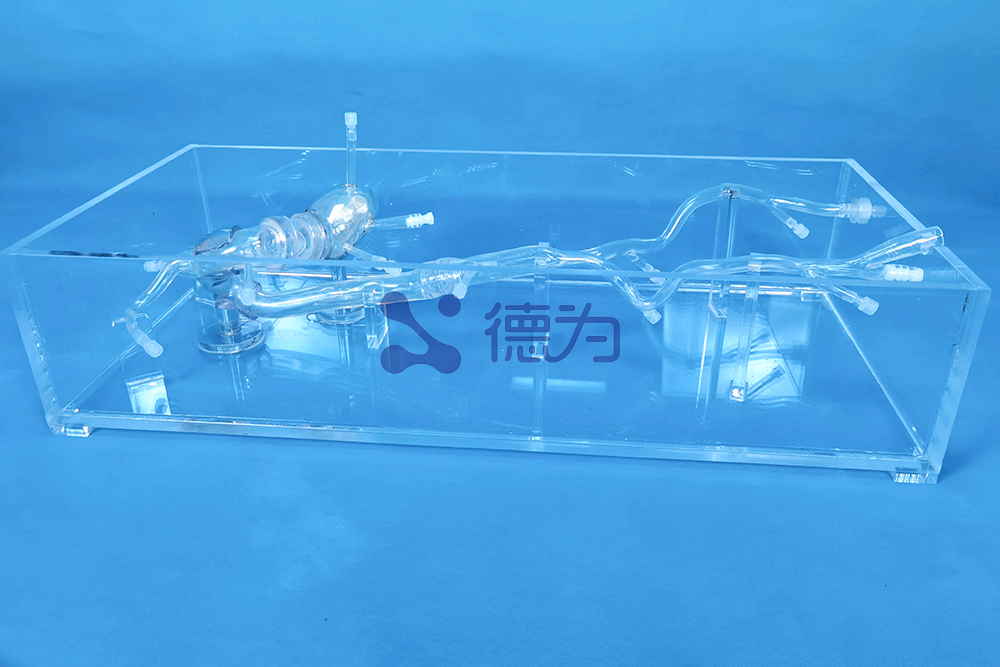
Full-body arterial model>
-
Pulmonary Artery Model>
-
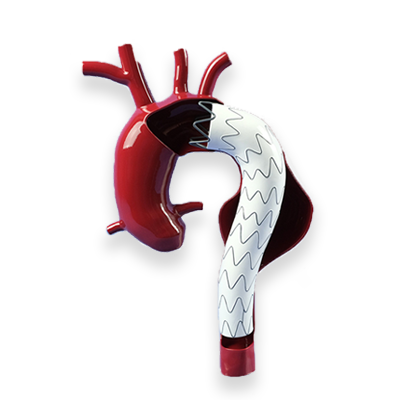
TAVR Model>
-
Atrial Septal Defect (ASD) Occlusion model>
-
Coronary Intervention Vascular Model – Demonstration Version>
-
Pulmonary Artery Model-Unilateral>
-
Upper Limb Arteriovenous Fistula Model>
-
Atrial Septal Puncture Model>
-
Full-body arterial and venous model>
-
Lower Limb Arteriovenous Model>

SHOWCASE
Showcase
2025
12-25
This paper demonstrates the use of 3D printing to fabricate multi-material, patient-specific aortic root models incorporating an embedded sensor array. The validity of the models was evaluated by comparison with corresponding patient data.
2025
12-12
For innovative medical devices to move from the laboratory to the operating room, they must undergo a series of rigorous tests, including design optimization, performance evaluation, and regulatory compliance verification. The high complexity of medical device R&D necessitates that preclinical testing be conducted in environments that closely mimic the human body—this need has driven the widespread adoption of medical simulation models. As emphasized by the Medical Device Technical Review Center of the National Medical Products Administration, high-quality in vitro simulation testing is an indispensable step in the development of interventional devices, with biomimetic models serving as the core platform for such testing.
2025
11-21
How can we make sophisticated interventional device technology intuitively perceptible? How can we ensure that its clinical value and technical advantages resonate powerfully with audiences? The answer lies in the meticulous articulation of technical details. A high-fidelity vascular simulation model is undoubtedly a key element in exhibition design, illuminating specialized expertise and elevating the overall impact of the display. By realistically replicating the human vascular environment, it enables visitors to gain a clearer understanding of how interventional devices function and perform in real-world scenarios, thereby significantly enhancing the persuasiveness and professionalism of the presentation. Setting up a simulated procedure area within the exhibit, equipped with vascular simulation models and interventional instruments, allows visitors—under the guidance of trained professionals—to personally experience the step-by-step workflow of an interventional procedure, feeling the tactile feedback and performance characteristics of the devices. This immersive, interactive experience deepens visitors’ product knowledge while strengthening their trust in and recognition of the brand. Moreover, DeWei Medical’s integrated solution—combining advanced simulation models with its patented intelligent blood-flow platform—is taking this level of professional presentation to new heights, turning the ecosystem demonstration center into a true “technology highlight generator.”
2025
11-13
Scientists from institutions including Pohang University of Science and Technology in South Korea have not only "created" human brain-stenosis blood vessels using 3D coaxial bioprinting technology, but also successfully enabled them to "flow with real blood," vividly demonstrating how turbulent blood flow can trigger vascular inflammation. At the heart of this research is the goal of developing an in vitro model that closely mimics the physiological conditions of brain vessel narrowing—specifically, one that can accurately replicate such scenarios. This breakthrough aims to uncover how hemodynamic factors, such as shear stress and flow velocity changes, induce endothelial cell inflammation, ultimately serving as a "living laboratory" for advancing our understanding of cerebrovascular disease mechanisms and accelerating drug discovery efforts.
ABOUT US
About Us
5000
+
Projects Delivered
30
+
Countries&Regions
300
+
Clients Worldwide

PARTNERSHIP
Partnership
Contact us
Address: Wangzuo Qujiang, 3269 Yanxiang Road, Yanta District, Xi'an City
Pre-sales Consultation
Request a quote


