


DeWei Medical Simulation Models Empower the Market Launch of Core Medical Devices, Jointly Ushering in a New Milestone for China’s Cardiac Assist Technology
Release date:
2026-01-21 17:26
Recently, a major piece of good news emerged in Shenzhen’s medical technology sector: Shenzhen Core Medical Technology Co., Ltd. has independently developed Implantable left ventricular assist device (Model: CorVad C6) and Transcatheter Left Ventricular Assist Device Catheter Pump Kit (Model: CorVad 4.0) has consecutively obtained NMPA registration, thereby filling a critical gap in domestic interventional cardiac assist device technology. Behind this groundbreaking achievement lies Key Support for the Left Ventricular Assist Device Prototype Model of Xi’an Dewei Medical Technology Co., Ltd. Through a collaborative model of “innovative R&D + precision validation,” the two parties have paved an efficient pathway for the clinical translation of domestically developed mechanical circulatory support devices.

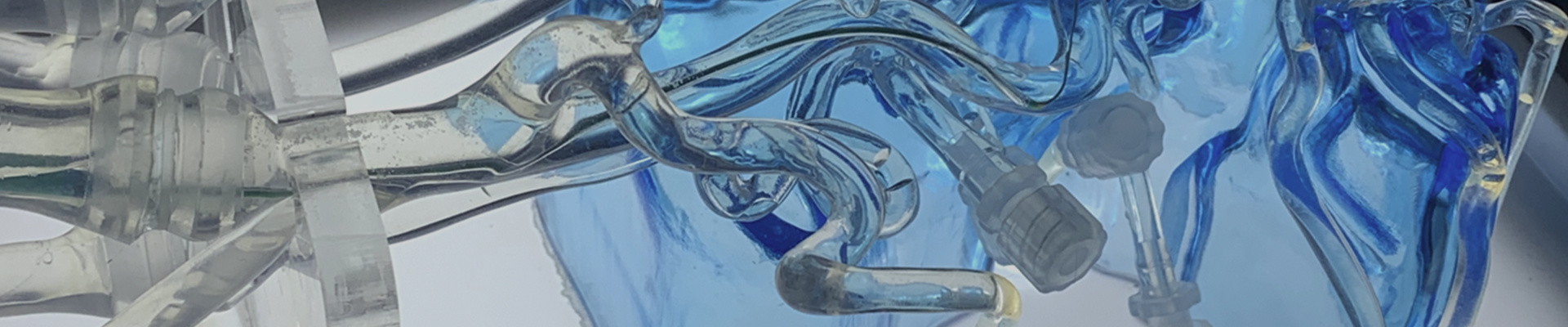
As a leading enterprise in China’s medical simulation field, Dewei Medical has been deeply engaged in intelligent medical simulation technology for more than a decade. Its newly developed left ventricular assist device phantom model, with its highly accurate reproduction of human anatomical structure and physiological characteristics, has become the “critical bridge” that facilitates the transition of two core innovative medical devices from the laboratory to clinical practice. This phantom model is based on CTA/MRI imaging data of patients with true heart failure , through 1:1 3D Reconstruction and 3D Printing The technology precisely replicates the morphology of the left ventricular cavity, the structure of the aortic valve, and the course of the coronary arterial branches—down to the finest details of the vessel walls. Elastic modulus 、 Coefficient of friction All are highly consistent with human physiological states. Most critically, the model is equipped with advanced Fluid Dynamics Simulation System It can simulate hemodynamic parameters under different cardiac functional states in real time, such as left ventricular end-diastolic pressure and cardiac output, thereby perfectly replicating the complex physiological environment encountered during high-risk percutaneous coronary intervention (PCI).
During the R&D and validation phase of the Core Medical CorVad product series, DeWei Medical’s prosthetic models have played an irreplaceable role. With regard to the “miniaturized axial motor technology” employed in implantable left ventricular assist devices, the research team conducted multi-dimensional tests using a physiologically relevant phantom model: under conditions that simulate the vascular lesions seen in patients with severe coronary artery disease, they repeatedly Verify the smooth delivery and positioning accuracy of the catheter pump. , ensuring that the device can accurately reach the target location in the left ventricle; by adjusting the hemodynamic parameters of the model, clinical scenarios such as reduced left ventricular ejection fraction and hemodynamic stability can be simulated, Blood Delivery Efficiency of the Test Device Under Different Support Intensities Ultimately, a safety threshold of “no more than 6 hours of use” was established. At the same time, leveraging the model’s pressure-feedback system, the potential impact of device operation on myocardial tissue was assessed, and the motor speed and blood-flow-channel design were optimized to keep the risk of hemolysis at an extremely low level—findings that are highly consistent with the clinical-trial data subsequently released by Core Medical, which demonstrate a “hemolysis index significantly superior to international standards.”
For the compatibility validation of the percutaneous left ventricular assist device catheter pump system, DeWei Medical’s phantom models provide essential support. These models can flexibly simulate interpatient variations in vascular anatomy, such as femoral artery diameter and aortic arch morphology, enabling the R&D team to test the fit between the catheter and sheath. This ensures that the device can smoothly traverse peripheral vessels during percutaneous access while minimizing the risk of vascular injury. In addition, the models can replicate key procedural steps in PCI, including changes in blood flow during balloon dilation and stent implantation, thereby validating the catheter pump’s ability to enhance coronary perfusion during the procedure and providing robust experimental evidence for defining the product’s clinical indications.
Compared with traditional validation approaches that rely on animal studies or early-phase clinical trials, DeWei Medical’s in vitro simulation models not only significantly shorten the R&D cycle for core medical products but also substantially reduce R&D costs and ethical risks.
This successful collaboration between the two parties has not only propelled Core Medical to become the world’s first company to receive regulatory approval for both implantable and transcatheter artificial heart products, but has also set a precedent for “Innovative Device R&D + Professional Simulation Validation” A model of collaboration in domestic medical technology.
As the CoreMed CorVad series of products is progressively introduced into clinical practice, they will offer safer and more convenient treatment options for patients with severe left heart failure in China. Meanwhile, DeWei Medical’s ongoing innovation in medical simulation technology will provide strong impetus for the transformation of domestically produced medical devices from “catching up” to “leading.” Guided by the Healthy China 2030 strategy, this model of industry–university–research collaborative innovation is bound to elevate China’s cardiovascular medical technology to a higher level and contribute Chinese expertise to the global development of mechanical circulatory support devices.
Keywords:
Medical devices,Core Medical,3D printing,Percutaneous Coronary Intervention,PCI,Minimally Invasive Intervention,Silicone vascular model
Other news
Request a quote
*Please keep your phone accessible—we'll reach out to you within 24 hours.
PARTNERSHIP
Partnership

Contact us
Address: Wangzuo Qujiang, 3269 Yanxiang Road, Yanta District, Xi'an City
Pre-sales Consultation
Request a quote


