

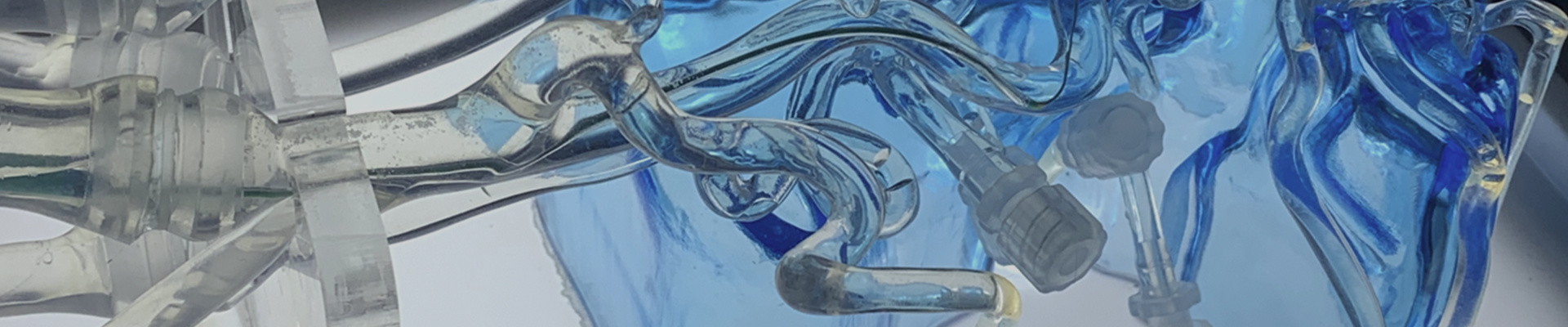

Behind the Rapid Approval of Innovative Medical Devices: Medical Simulation Models Solidify the R&D Foundation
Release date:
2025-12-12 16:37
For innovative medical devices to move from the laboratory to the operating room, they must undergo a series of rigorous tests, including design optimization, performance evaluation, and regulatory compliance verification. The high complexity of medical device R&D necessitates that preclinical testing be conducted in environments that closely mimic the human body—this need has driven the widespread adoption of medical simulation models. As emphasized by the Medical Device Technical Review Center of the National Medical Products Administration, high-quality in vitro simulation testing is an indispensable step in the development of interventional devices, with biomimetic models serving as the core platform for such testing.
In December 2025, the medical device sector has witnessed a steady stream of exciting news about the successful commercialization of innovative breakthroughs. Several high-end interventional devices that address critical clinical challenges have successively obtained NMPA registration approval, not only providing new treatment options for complex and difficult-to-treat conditions but also underscoring the robust momentum of China’s medical device industry in achieving breakthroughs in core technologies. Behind these groundbreaking products, in addition to the relentless R&D efforts of enterprises, lies the indispensable support of a robust preclinical testing and validation system.
Three Innovative Devices Approved Simultaneously, Precisely Addressing Clinical Challenges
December 3 marked a “bountiful day” for the medical-device industry, with two core interventional devices for vascular diseases receiving approval on the same day. The 60-MHz high-frequency, single-use intravascular ultrasound diagnostic catheter launched by Shanghai Aisheng Biotechnology, a wholly owned subsidiary of Kaili Medical, represents a key breakthrough in high-frequency ultrasound transducer design. Its high-resolution imaging capability provides a reliable tool for the precise assessment of complex vascular lesions, filling a niche gap in China’s high-end interventional imaging equipment market and further enhancing the company’s product portfolio in this field.

Also approved on the same day, the V-otter microcatheter from Xianruida Medical features an innovative design that meets diverse clinical needs. Its large lumen effectively minimizes the risk of intra-procedural occlusion, while its three tip-shaping options—straight, 45° single bend, and multiple bends—allow for flexible adaptation to the anatomical configurations of branch vessels at varying angles, thereby providing a more efficient delivery platform for peripheral and coronary interventional procedures.

In response to the high-risk Stanford Type A aortic dissection, Puhui Bio’s branched intraoperative aortic stent system has also recently received regulatory approval. This product features a nickel–titanium alloy stent coated with PTFE and a segmentally deployable delivery system, enabling precise positioning and stable support during open surgical procedures and offering a safer treatment option for this life-threatening cardiovascular emergency. Although the three products target different indications, they all embody an innovation paradigm centered on clinical needs; their approvals signify that China’s R&D capabilities in the field of minimally invasive interventional devices have now reached the forefront internationally.

The Invisible Enabler of R&D Breakthroughs: The Core Value of Medical Simulation Models
For innovative medical devices to move from the laboratory to the operating room, they must undergo a series of rigorous tests, including design optimization, performance evaluation, and regulatory compliance verification. The high complexity of medical device R&D necessitates that preclinical testing be conducted in environments that closely mimic the human body—this need has driven the widespread adoption of medical simulation models. As emphasized by the Medical Device Technical Review Center of the National Medical Products Administration, high-quality in vitro simulation testing is an indispensable step in the development of interventional devices, with bio-inspired models serving as the core platform for such testing.
For high-frequency intravascular ultrasound catheters—devices that rely on precise imaging—simulation models must accurately replicate vascular wall architecture, plaque characteristics, and hemodynamic parameters in order to effectively evaluate their resolution, signal-to-noise ratio, and mechanical manipulation performance. Meanwhile, the development of microcatheter–stent systems requires models that faithfully reproduce anatomical details such as vessel tortuosity and branch angles; by simulating procedures like delivery and deployment, these models can assess device trackability, stability, and biocompatibility. Compared with traditional animal studies, medical simulation models offer superior cost-effectiveness and reproducibility, while also enabling customized modeling of diverse pathological scenarios—including calcification and dissection—to provide researchers with more comprehensive performance data.
More importantly, a standardized simulation-model testing framework can effectively bridge the R&D and regulatory approval stages. Test data that comply with FDA guidance principles and domestic standards can directly provide a scientific basis for product registration, thereby shortening the review and approval cycle—this is a critical enabler for accelerating the market launch of innovative medical devices.

Professional Test Report for DeWei Medical Vascular Models
DeWei Medical: Provider of Minimally Invasive Interventional Simulation Testing Solutions
In the field of medical simulation testing, Xi’an Dewei Medical is providing end-to-end support to medical device R&D companies with its professional expertise. As a provider specializing in high-end medical testing equipment and solutions, Dewei Medical has built up extensive technical expertise in areas such as medical simulation, test equipment development, and custom software development. Its core strength lies in its ability to deeply integrate human anatomical data, biomechanical properties, and engineering testing requirements to create precision-testing platforms tailored to specific interventional devices.
For intravascular ultrasound catheters, DeWei Medical offers vascular simulation models equipped with a circulatory system that replicate physiological parameters such as blood flow velocity and intravascular pressure. Combined with high-fidelity tissue-material properties, these models enable precise testing of catheter imaging quality, pushability, and torsional resistance. With regard to the microcatheter and stent system, its Customized vascular anatomical models can accurately replicate the complex pathway from the coronary arteries to the aorta, and by simulating force feedback during surgical procedures, they provide data-driven insights to optimize device flexibility and stability. This “turnkey” testing solution, It covers the entire R&D process for minimally invasive interventional devices, helping companies identify design flaws early in development and providing standardized validation data for regulatory registration testing, thereby significantly enhancing R&D efficiency.


DeWei Medical’s vascular model is equipped with an intelligent blood-flow platform—enabling precise simulation of hemodynamics.
Conclusion: Co-building an innovative ecosystem to drive high-quality industrial development
From breakthroughs in imaging using 60-MHz high-frequency ultrasound catheters to the precise support provided by branched stents, the rapid and widespread adoption of innovative medical devices is the result of the synergistic efforts of companies’ R&D capabilities, testing technologies, and regulatory frameworks. As medical technology continues to advance, clinical demands for device precision and safety will only grow, presenting both challenges for medical-device manufacturers and new opportunities for the medical-simulation-testing industry.
Companies like Xi’an Dewei Medical, which focus on the testing and validation domain, are leveraging cutting-edge simulation technologies to become a vital link in the innovation value chain. Looking ahead, as simulation models become increasingly integrated with artificial intelligence, digital twins, and other emerging technologies, their value in medical device R&D will be further unlocked. Together with innovative enterprises, they will help build a virtuous ecosystem spanning R&D, testing, and commercialization, thereby driving China’s medical device industry toward higher quality and greater international competitiveness.

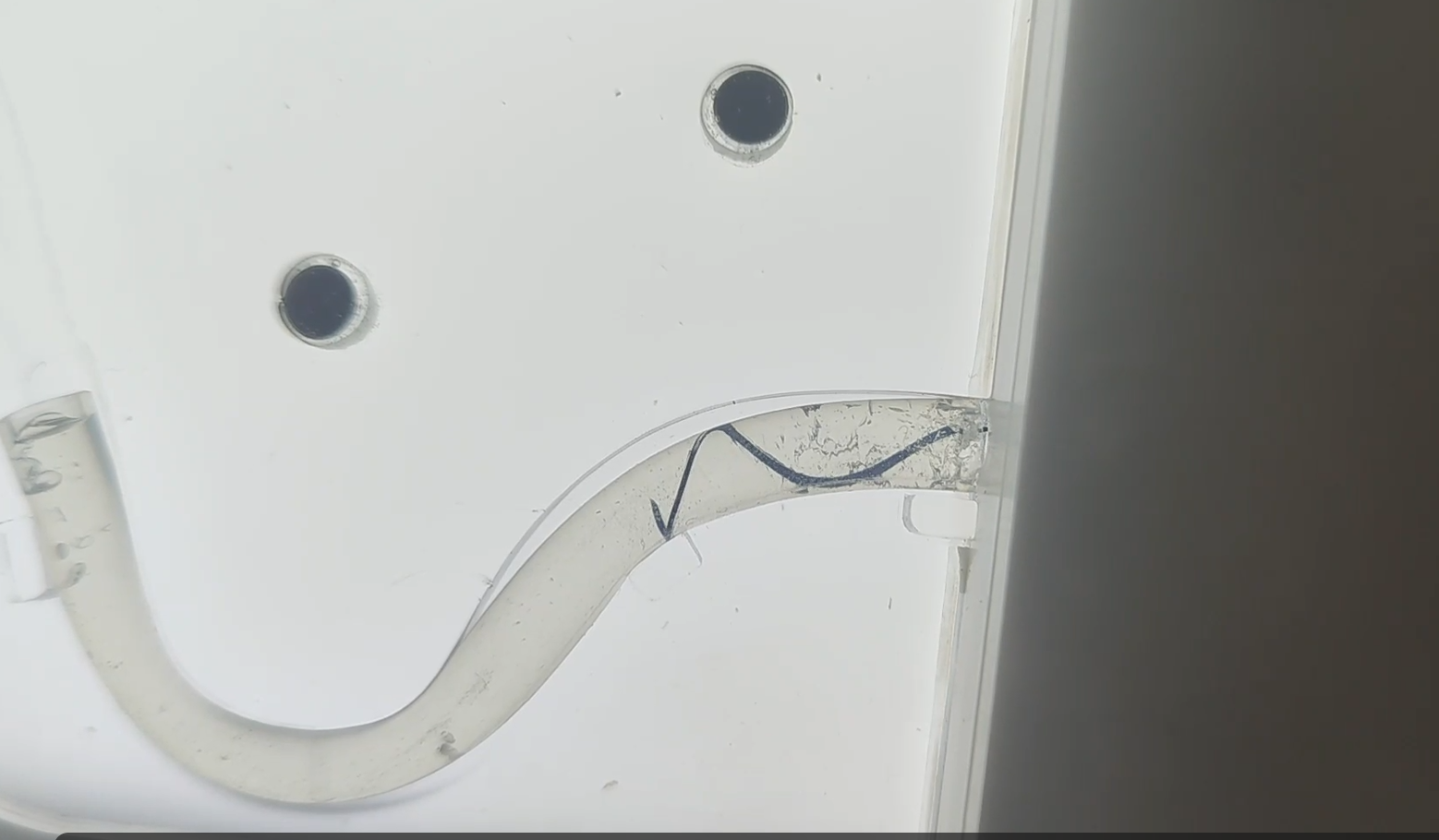
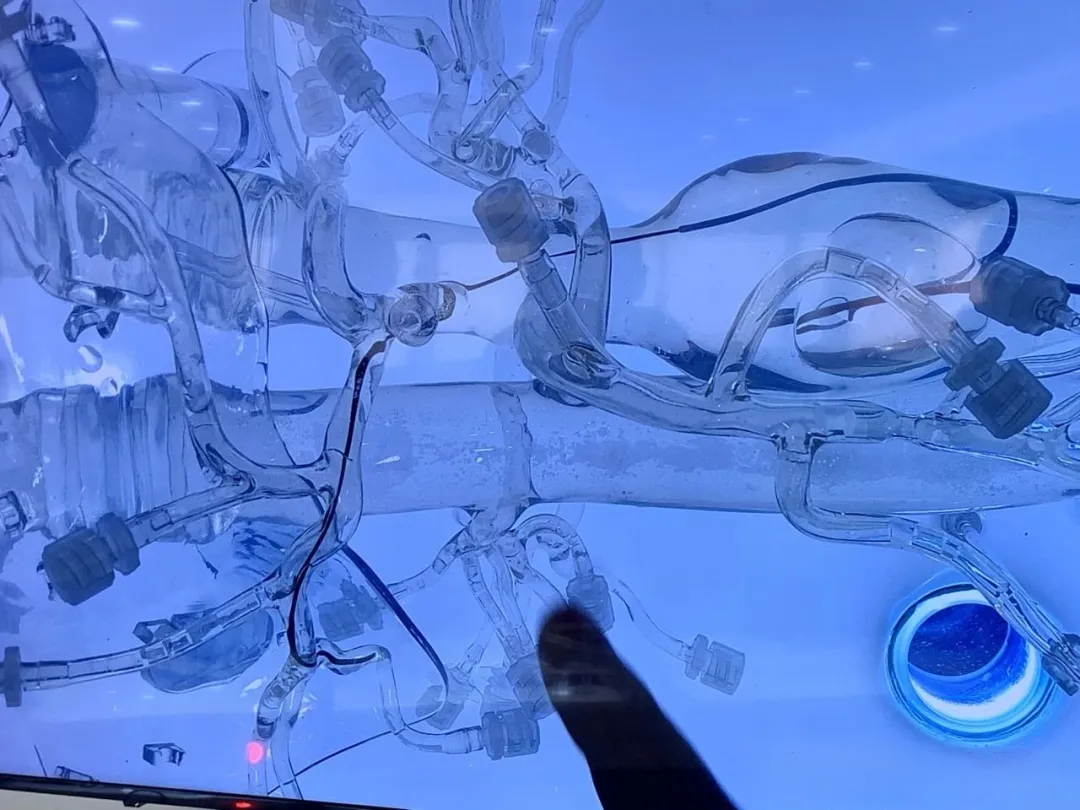
Application Examples of DeWei Medical Vascular Models
Keywords:
3D printing,Medical devices,Minimally Invasive Intervention,Simulation model,Silicone vascular model,Medical device R&D,Medical device testing,Catheter
Other news
Request a quote
*Please keep your phone accessible—we'll reach out to you within 24 hours.
PARTNERSHIP
Partnership

Contact us
Address: Wangzuo Qujiang, 3269 Yanxiang Road, Yanta District, Xi'an City
Pre-sales Consultation
Request a quote


