
Home
Products
Medical Simulation
Testing Equipments
Testing System
Testing Services
Blog
Showcase
Product Introduction
Product Video
Industry News
About
Company Overview
Technical Highlights
Contact
Contact Information
Leave a Message
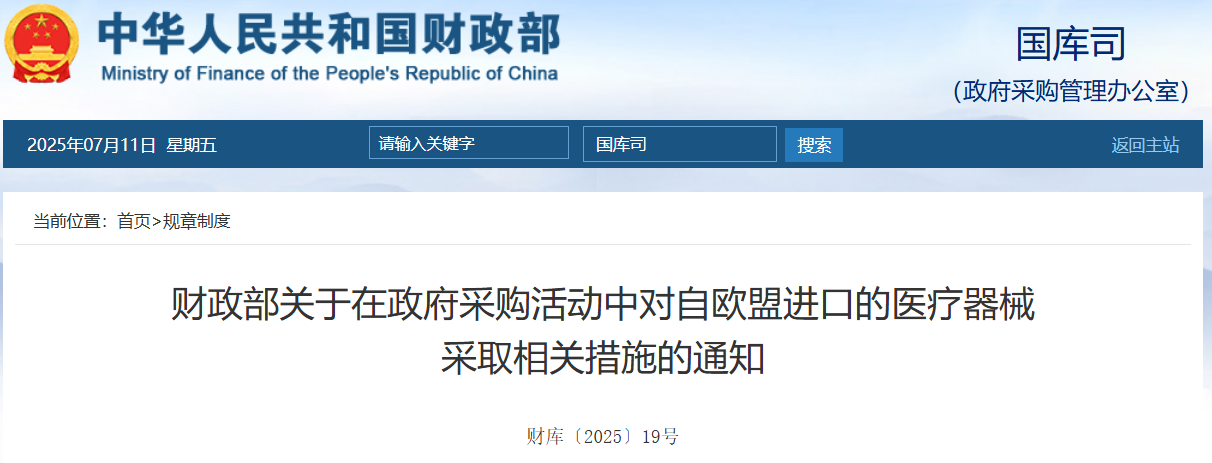
Ministry of Finance: Government procurement projects for medical devices exceeding 45 million yuan should exclude EU-based companies (including policy Q&A interpretations).
On July 6, 2025, China's Ministry of Finance issued a significant notice announcing restrictive policies on the import of medical devices. The policy stipulates that when procuring medical equipment with budget amounts exceeding 45 million RMB, buyers must exclude European Union-based companies (excluding EU-invested enterprises already operating in China) from participating—provided that importing products is deemed absolutely necessary after following the legally mandated procedures. Meanwhile, for non-EU companies involved, the proportion of medical devices sourced directly from the EU cannot exceed 50% of the total project contract value. The introduction of this policy has sparked widespread attention and intense debate across the medical device industry—and even throughout the broader economic sector. On July 10, the Ministry of Finance further released "Policy Q&A on Measures to Be Taken Against Medical Devices Imported from the EU in Government Procurement Activities," providing clear explanations addressing key questions about how the policy will be implemented, thereby offering more precise guidance for its effective application.
View All
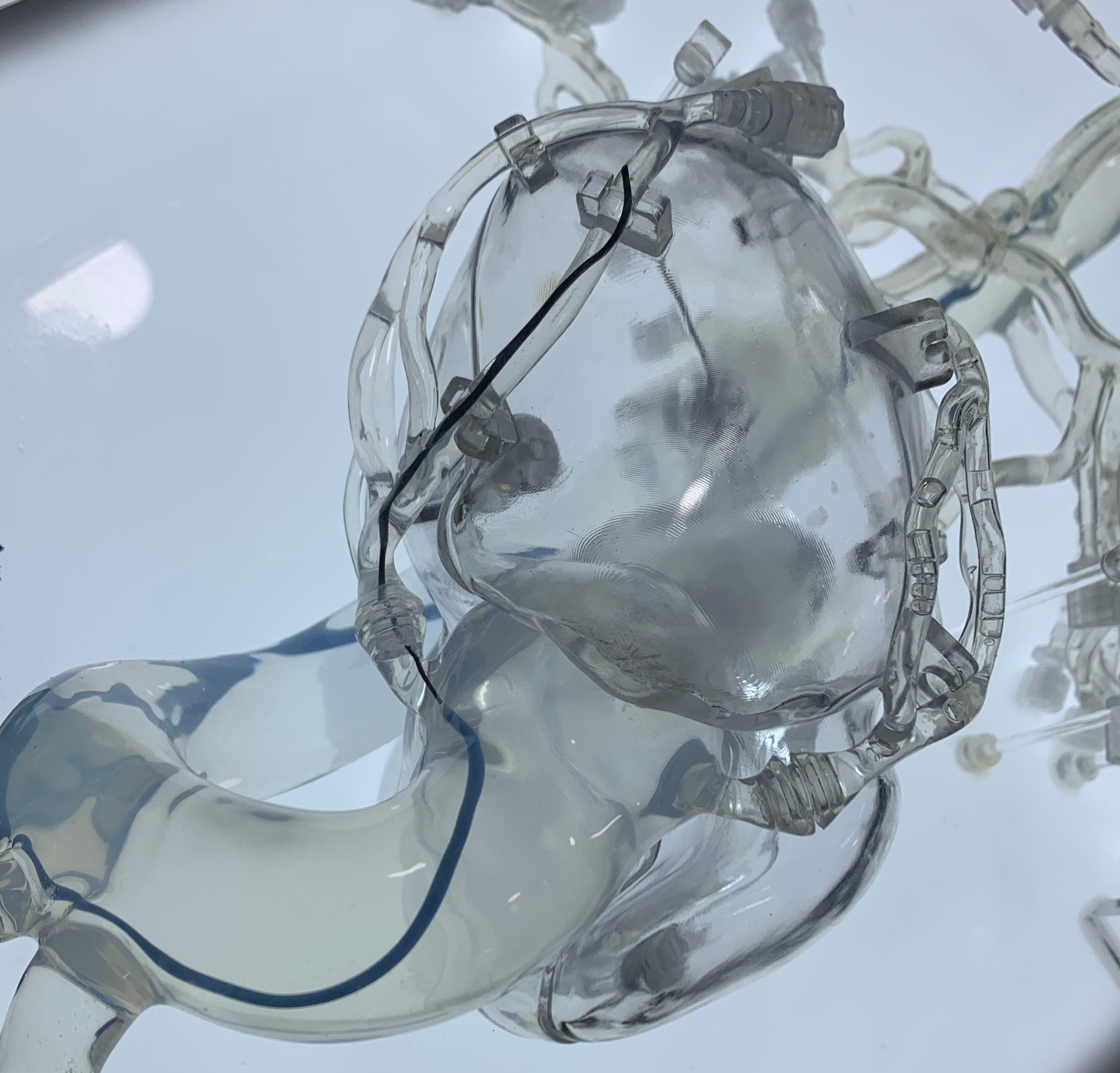
[Product Collection] 03 Simulation Model – Left Atrial Appendage Occlusion Heart Model | Precise Deployment for Intuitive Evaluation
Atrial fibrillation (AF) is a common cardiac arrhythmia seen in clinical practice, affecting over 40 million patients worldwide. During AF, blood flow within the left atrial appendage becomes sluggish, increasing the risk of clot formation. If these clots dislodge, they can travel to the brain, leading to stroke—a condition with extremely high rates of disability and mortality. Left atrial appendage closure has emerged as a critical strategy for preventing stroke in AF patients. This procedure involves placing a closure device into the left atrial appendage, effectively blocking the pathway that allows clots to enter the bloodstream. The surgery relies on specialized instruments, including delivery sheaths, guidewires, and dedicated occluders such as the Watchman or LAmbre devices. However, in real-world clinical settings, the left atrial appendage exhibits diverse anatomical shapes—ranging from "chicken-wing" to "cauliflower" or "windsock" types—and is closely situated near critical structures like pulmonary veins and coronary arteries. As a result, ensuring the stability of these devices in the complex intracardiac environment and achieving optimal apposition of the occluder during surgery remain challenging tasks that are difficult to predict preoperatively. Additionally, the varying sizes and irregular inner surfaces of the left atrial appendage mean that improper handling during the procedure could easily lead to serious complications, such as pericardial tamponade or device displacement—both of which demand exceptional spatial awareness and precise instrument control from the surgeon. Traditional training methods often fall short in replicating the true anatomical variations and surgical risks involved, making the development of realistic left atrial appendage closure heart models essential for overcoming these technical hurdles.
[Product Collection] 03 Simulation Model – Peripheral Interventional Vascular Model | High-Precision 3D Data for Accurate, Empowering Simulations
Peripheral vascular disease affects a large and growing number of people. From 2021 to 2030, the volume of peripheral artery intervention procedures in China is projected to surge from approximately 163,000 cases to about 602,000 cases, representing a compound annual growth rate of 15.6%. Meanwhile, the number of peripheral vein intervention procedures is expected to climb dramatically—from roughly 201,000 to 1.529 million, reflecting an impressive CAGR of 25.3%. The market for peripheral artery intervention stents and balloons is also anticipated to experience significant growth during this period. From 2021 to 2030, the market size for these devices is forecasted to expand from RMB 2.17 billion to RMB 6.73 billion, with a compound annual growth rate of 13.4%.
Breaking Through the Calcification Barrier: Derway Medical Empowers IVL Device R&D and Validation
Intravascular Lithotripsy (IVL), a revolutionary approach for treating calcified lesions, has been widely recognized as the most promising solution to tackle the persistent challenge of coronary artery calcification. Its unique advantage lies in its ability not only to effectively address superficial calcifications but also, uniquely among existing techniques, to deliver clear therapeutic benefits even for deeper (media) calcifications. Since receiving European approval in 2018, U.S. FDA approval in 2021, and Chinese approval in May 2022, IVL technology has rapidly gained traction across both coronary and peripheral intervention fields.
[Product Collection] 03 Simulation Model – Endoscopic Intervention Upper Gastrointestinal Tract Model | Accurately Replicates Physiological Details, Perfectly Recreating Digestive Scenarios
Upper gastrointestinal diseases encompass a wide range of pathological conditions affecting the esophagus, stomach, and duodenum, including infectious lesions (such as esophageal candidiasis, CMV-induced esophagitis, and HSV-related esophagitis), inflammatory disorders (like gastric ulcers and duodenitis), neoplastic conditions (including esophageal cancer, gastric cancer, and submucosal tumors), as well as acute bleeding episodes (such as ruptured varices or ulcer-related hemorrhage). These conditions often present with diverse clinical symptoms, and some early signs may be subtle or even absent. Without timely intervention, they can progress into life-threatening emergencies or malignant tumors. For instance, acute upper gastrointestinal bleeding (UGIB) carries a mortality rate as high as 2%–15%, and the accuracy of predicting the need for endoscopic intervention directly impacts treatment efficiency. Meanwhile, submucosal tumors of the digestive tract (SMTs), due to their deep-seated location, are typically challenging to diagnose using conventional endoscopy alone, often requiring advanced techniques such as endoscopic ultrasound (EUS) for accurate identification.
[Product Collection] 03 Simulation Model – Hepatic and Renal Artery Interventional Vascular Model | Pulse Pathway Simulation, Precision in Intervention
Hepatic and renal artery intervention originated in the mid-20th century. In 1953, Seldinger's invention of percutaneous vascular puncture—featuring a minimally invasive technique that uses a guidewire to guide catheters—laid the foundation for interventional therapies, inspiring doctors to explore the application of vascular access in treating liver and kidney diseases.
Decoding the 2025 Hypertension Prevention and Control Guidelines: Diagnostic thresholds remain unchanged, treatment strategies are advanced, and RDN officially gains recognition.
The release of the 2025 American College of Cardiology (ACC)/American Heart Association (AHA) Clinical Guidelines on Hypertension sets the direction for hypertension prevention, treatment, and the development of related technologies. As a major modifiable risk factor contributing to heart attacks, strokes, and even death, hypertension remains a global health challenge despite the increasing availability of both pharmacological treatments and lifestyle interventions. Unfortunately, despite these advances, blood pressure control worldwide remains far from ideal: an estimated 1.28 billion adults globally are affected by hypertension, yet over 80% of patients fail to achieve effective blood pressure management. The advent of renal denervation via catheter-based procedures (RDN) offers a groundbreaking innovation that could help break through longstanding therapeutic barriers.
The complete process of medical devices, from design and development to market launch
From design and development to final market launch, medical devices must systematically go through several rigorous stages—such as product design and development, establishment of a quality management system, registration testing, clinical evaluation, regulatory submissions, and applications for manufacturing licenses. This entire process is time-consuming and requires significant financial investment. For startups, it’s crucial to carefully assess the risks, timelines, and associated costs. Drawing on industry best practices, this article provides a clear and practical guide to help companies navigate this complex process effectively.
Requirements for the use of 2D/3D vascular models in the development process of vascular intervention products during device review
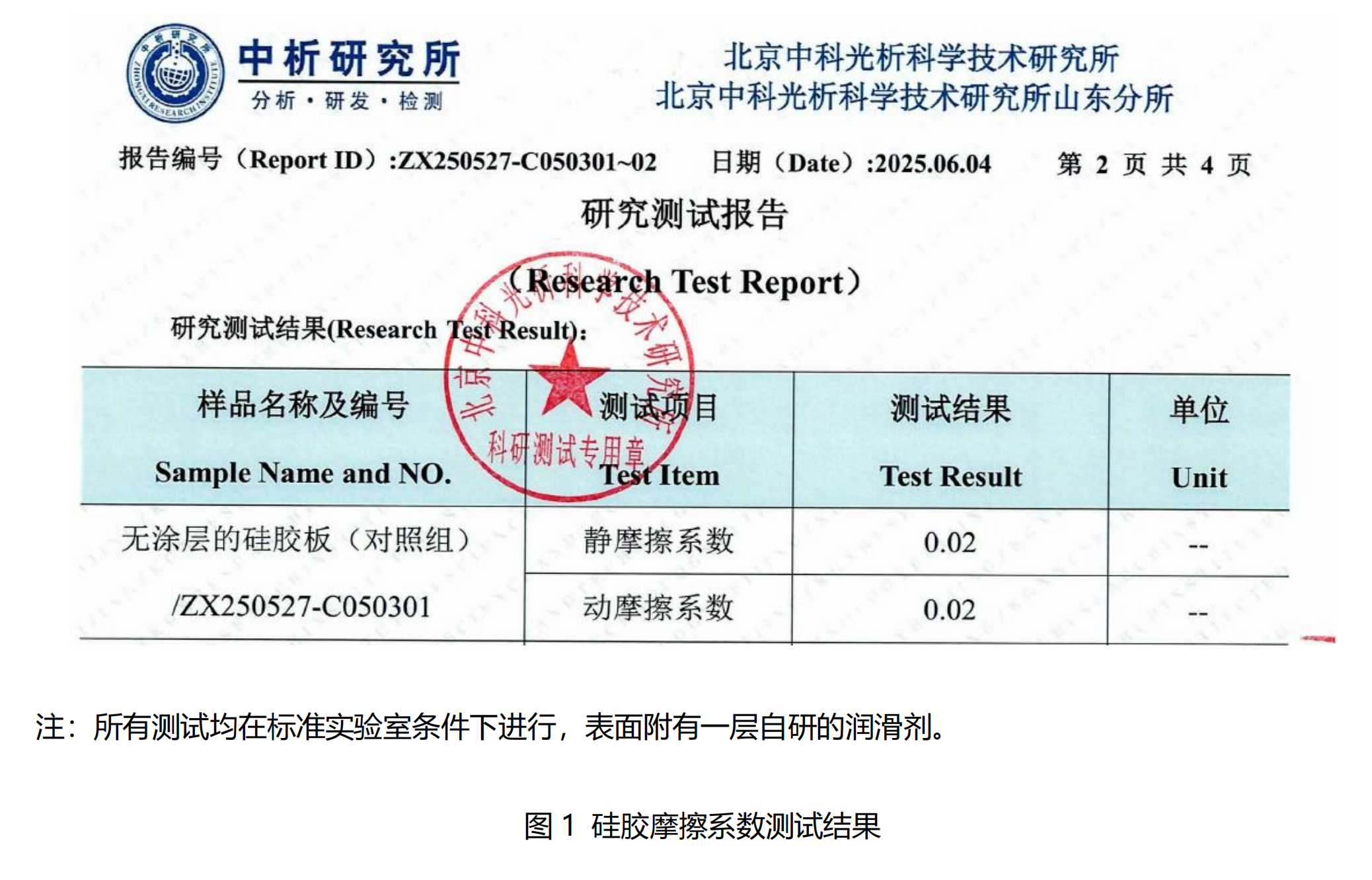
According to monitoring by a professional institution, DeWei Medical's simulation models closely mimic the elasticity and friction coefficient of normal human blood vessels. The silicone vessels exhibit an Shore A hardness ranging from 20 to 50, while their compliance levels fall between 2% and 15% per 100 mmHg. Additionally, the thinnest vessels can achieve an inner diameter as small as 1.5 mm.
Comprehensive Interpretation of the "2025 Expert Consensus on Clinical Pathways for Transcatheter Left Atrial Appendage Closure in China"
The release of the 2025 consensus marks a milestone: for the first time, China’s original "simplified LAAC procedure" has been incorporated into standardized clinical pathways, making it the world’s first guideline document to systematically outline this technique. Additionally, building on "Left Atrial Appendage Intervention for Preventing Thromboembolic Events in Patients with Atrial Fibrillation: Current Understanding and Recommendations (2023)," the consensus now offers Class I recommendations (with evidence levels A/B) specifically for certain patient groups—such as those with long-term contraindications to anticoagulation or those undergoing left atrial appendage electrical isolation—significantly elevating the role of LAAC in the comprehensive management of atrial fibrillation.
Minimally Invasive ® Coronary FireShield™ Coronary Covered Stent Attracts Attention—Derway Medical Provides Validation Support for Testing of Similar Devices
近日,上海微创医疗器械(集团)有限公司(以下简称 “微创 ® 冠脉”)宣布其火盾™冠脉覆膜支架系统(以下简称 “火盾™”)的上市前关键性临床研究(CONVOY 研究)已顺利完成全部患者入组。 这一里程碑事件不仅标志着我国在冠脉介入急救领域即将迎来更优的 “中国方案”,也彰显了国产医疗器械在创新之路上的坚实步伐,而专注于仿真血管模型研发与应用的德为医疗,始终致力于为这类高端医疗器械的研发与验证提供精准支持。
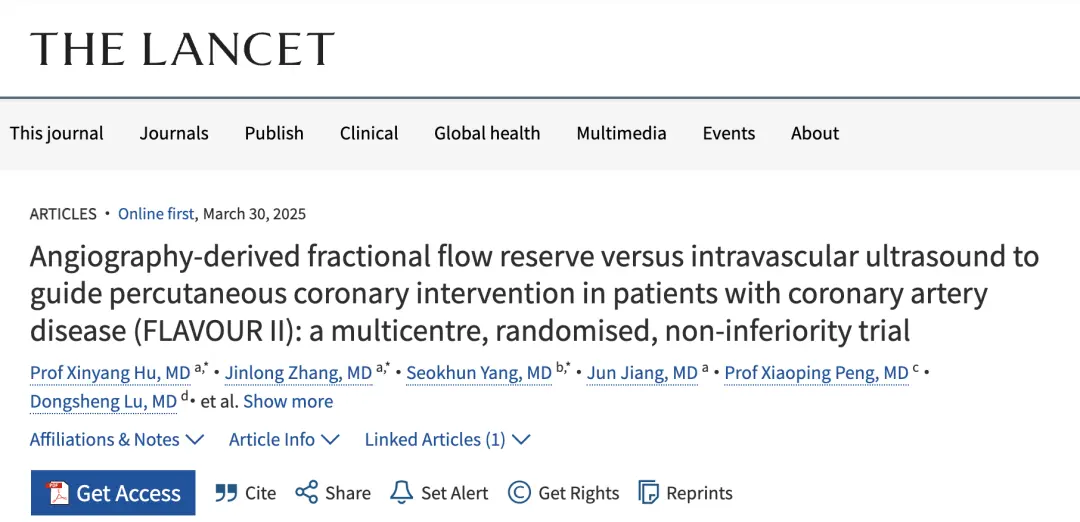
Academician Wang Jian'an's team achieves a major breakthrough in cardiovascular interventional therapy with the FLAVOUR II study featured on the cover of *The Lancet*.
On March 30, 2025, the prestigious international medical journal *The Lancet* published online the latest research findings from the team led by Professor Jian'an Wang, an academician of the Chinese Academy of Sciences and director of the Second Affiliated Hospital of Zhejiang University School of Medicine—the FLAVOUR II study. The study was simultaneously unveiled as a groundbreaking Latest Breakthrough Clinical Trial (LBCT) at the 2025 American College of Cardiology Annual Scientific Session (ACC.25), drawing significant attention from the global academic community.
Request a quote
*Please keep your phone accessible—we'll reach out to you within 24 hours.