Introduction: The Rise of IVL Technology and the Challenges of Validation
Intravascular Lithotripsy (IVL), a revolutionary approach for treating calcified lesions, has been widely recognized as the most promising solution to tackle the challenging issue of coronary artery calcification. Its unique advantage lies in its ability not only to effectively address superficial calcifications but also, uniquely among existing techniques, to deliver clear therapeutic benefits for deeper (media) calcifications. Since receiving European approval in 2018, U.S. FDA approval in 2021, and Chinese approval in May 2022, IVL technology has rapidly gained traction across both coronary and peripheral intervention fields.
As a rapidly evolving emerging field, IVL's core devices—such as shockwave balloon catheters—and their associated technologies still require continuous iteration and optimization. This presents vast market potential and ample room for innovation, but it also places extremely high demands on the research, development, and validation of these devices. Ensuring the device’s efficiency in delivering shockwave energy, its effectiveness in calcified plaque fragmentation, ease of operation, and overall safety is critical. In this context, highly realistic vascular models have become indispensable tools for validating the performance of shockwave balloons and refining practical operational procedures.
I. Customer Pain Points: Limitations of the Current Model
Currently, the models available on the market for IVL devices are all A typical tubular structure contains calcified tissue material. , this product form Widely prevalent defects :
It can only simulate endocardial calcification: mostly consisting of simple tubular structures embedded with calcified material, barely managing to mimic the appearance of intravascular endocardial calcification.
Unable to simulate deep (media) calcification: The simulation of media calcified tissue—particularly challenging and highly relevant to IVL technology—fails entirely to achieve the desired results. This severely limits the accurate assessment of IVL devices, especially their ability to effectively handle deep-seated calcifications.
II. Tackling Industry Challenges: Dewei's Innovative Healthcare Solutions
Addressing the core pain points mentioned above, Derui Medical has delved into intensive research and development, successfully overcoming the industry's technical bottleneck of simulating medial calcification.
Breakthrough in Biomimetic Calcification Materials:
Component and Mechanical Property Simulation: Through extensive literature review and formulation optimization, the R&D team successfully tackled the critical challenge of precisely matching the material's hardness and modulus. The developed biomimetic calcified material is composed of calcium salts and their composite materials, with a composition closely resembling the primary components of human vascular calcification. Moreover, its mechanical properties—such as hardness and modulus—are highly comparable to those of real human calcified tissues.
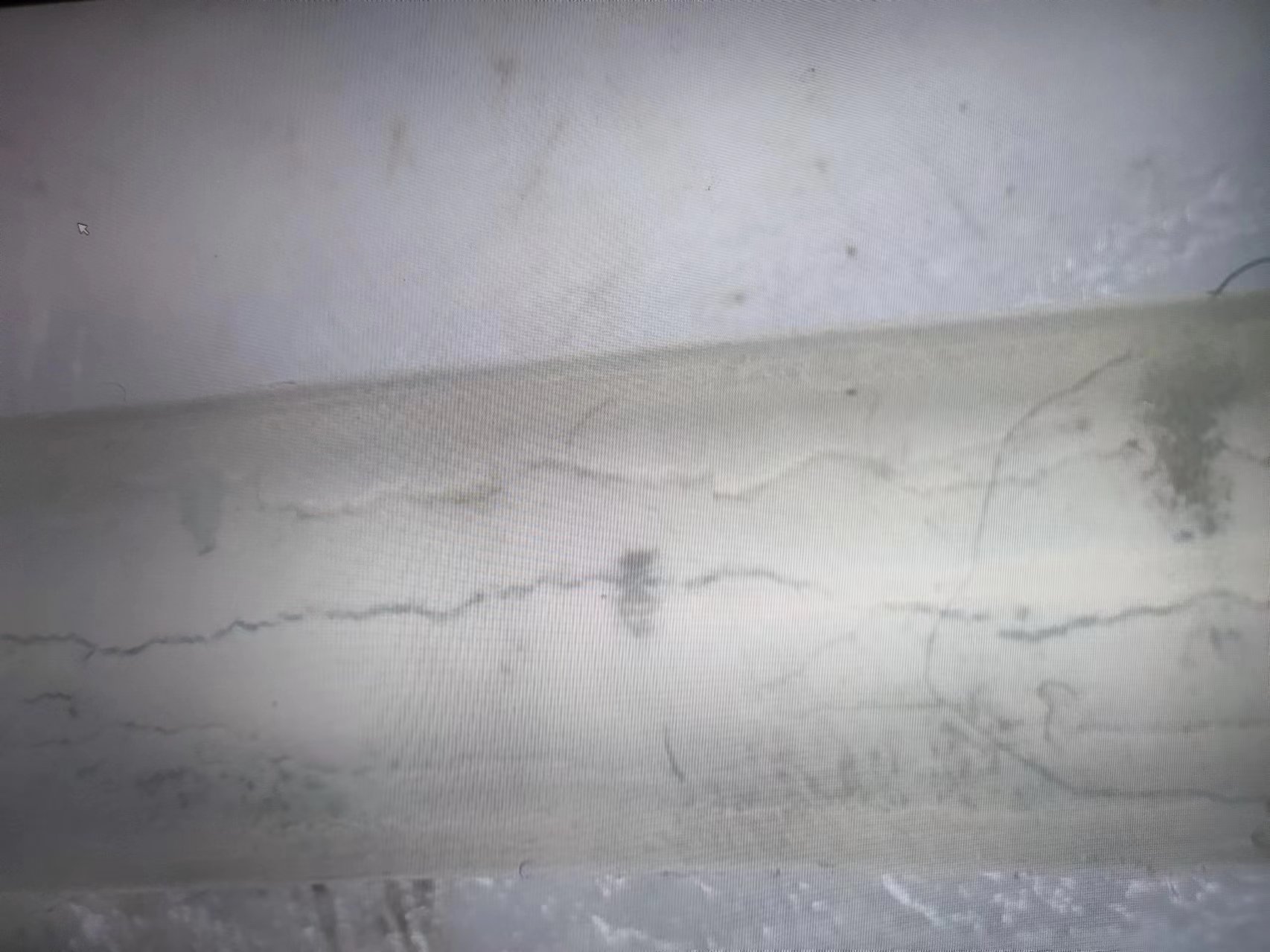
Realistic Reproduction of the Fracture Effect: Under the action of the shock wave, the material develops distinct linear crack patterns, with crack propagation—occurring from near to far—and the extent of cracking precisely responding to changes in device power. This accurately simulates the process of shock waves loosening or fracturing calcified lesions.
Highly customizable: Capable of simulating varying degrees of calcification (mild, moderate, severe), different lesion morphologies (fine punctate, coarse granular, ring-like, popcorn-like, localized, eccentric, etc.), as well as critical, distinct calcification locations (intima, media).
Advanced manufacturing process for complex vascular structures: A patented, proprietary silicone formulation combined with cutting-edge 3D printing technology has been successfully employed to create intricate silicone vascular models that meet exacting specifications.
The DeWe medical model uses shock waves to fracture calcified plaques without damaging the vascular endothelium.
3. Product Form Innovation: Precise Simulation of Intimal and Media Calcification
Building on breakthroughs in materials and technology, DeWei Medical has launched A vascular model featuring a revolutionary structural design :
Endometrial calcification model:
Structure: Highly transparent, soft silicone vessels + embedded biomimetic calcified tissue material.
Vascular characteristics:
Materials: Patented formula high-transparency silicone.
Hardness range: Shore 20–50A (adjustable, simulating different blood vessels).
Compliance: 2–15% / 100 mmHg (simulating physiological vascular elasticity).
Precision: The inner diameter of the finest vessel can reach as low as 1.5 mm (satisfying coronary artery simulation requirements).
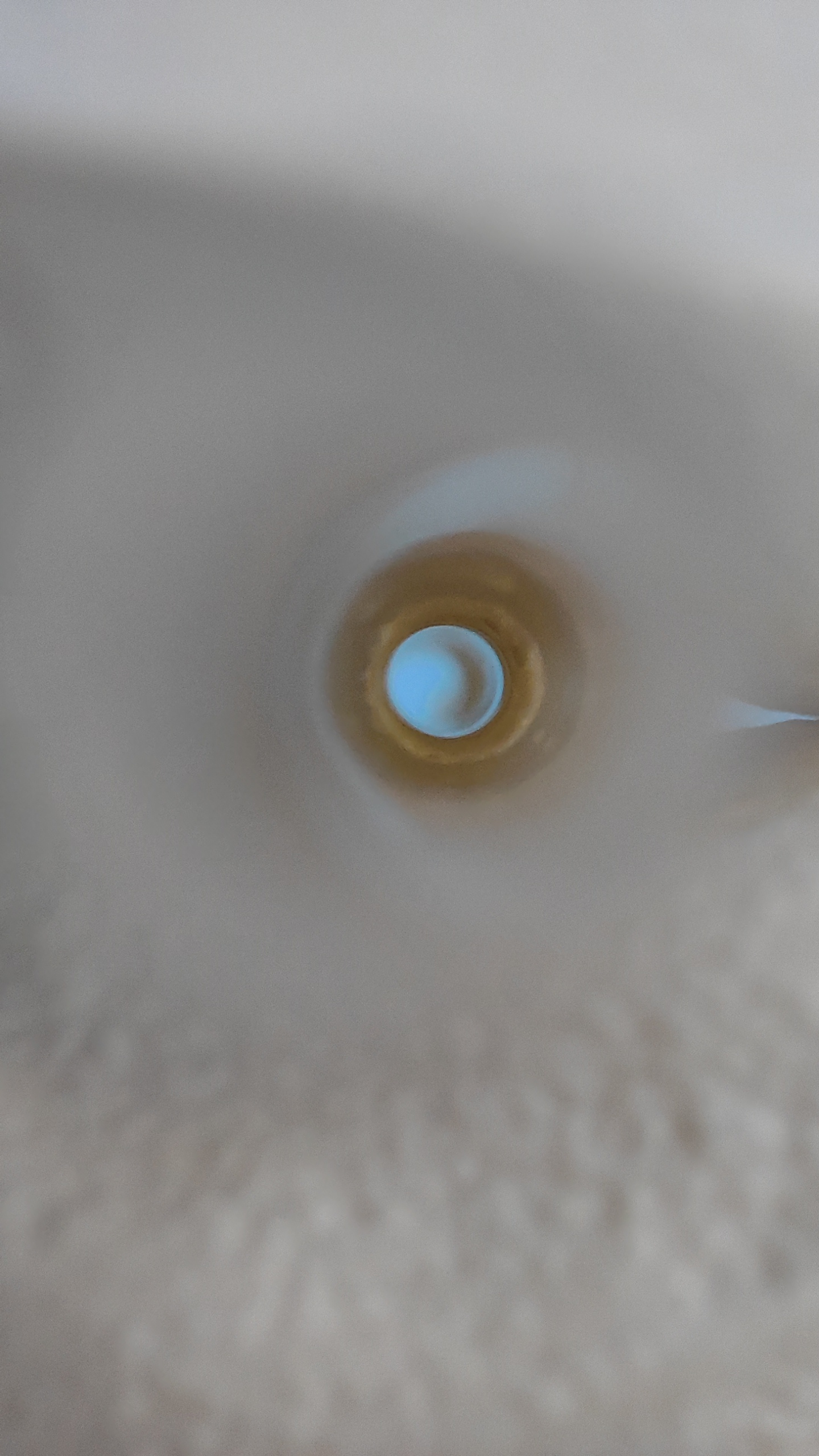
Core Design: Calcified material is embedded within the vessel wall, leaving a central physiological channel specifically reserved for the balloon catheter to pass through. This accurately replicates the in-situ calcification environment of the arterial intima.
Intraluminal Calcification Image
Medial Calcification Model (Core Innovation – Addressing Industry Pain Points):
Structure: Pioneering "Thermos"-style double-layer structure – highly transparent soft silicone inner membrane vascular system + biomimetic calcified material in the middle layer + highly transparent soft silicone outer membrane vascular system Calcified tissue is precisely embedded between the inner and outer membrane vessels.
Vascular characteristics: Both the intimal and adventitial vessels are made from a patented, highly transparent silicone material. They feature a hardness ranging from 20 to 50 Shore A, with compliance levels of 2–15% per 100 mmHg and a fine inner diameter of ≥1.5 mm—matching the specifications of the intimal model exactly. Additionally, the intima and adventitia can be crafted from silicones of varying hardnesses, enabling an even more realistic simulation of anatomical structures.
Core design:
Double-layer silicone structure: Perfectly replicates the anatomical location of calcification within the medial layer of the vascular wall.
Intravascular physiological channel: Ensures the balloon catheter can smoothly reach and effectively treat the medial calcified layer.
Transparent visualization: Allows direct observation of balloon dilation, calcification fragmentation, and the interaction between devices and vessel walls. This globally leading solution effectively addresses the challenge of simulating deep (media) calcification in vitro!
4. Rigorous Testing and Authoritative Validation
De Wei Medical deeply understands the importance of ensuring the reliability of the verification tools themselves:
Third-party authoritative testing: The provided biomimetic calcified tissue lesion modules and the overall model have all undergone rigorous testing at a CNAS-accredited laboratory, with official test reports issued afterward. These reports provide objective and authoritative validation of the models' biomechanical similarities (such as hardness and modulus) as well as their functional performance—specifically, the fragmentation patterns observed under shockwave application.
Performance Verification: Test results confirm that the DeWe model effectively simulates the calcification fragmentation process under impact wave balloon catheter treatment, achieving the intended outcomes of loosening or fracturing calcified lesions located both superficially (in the intima) and deeply (in the media).
Summary: Filling the gaps, empowering IVL innovation
DeWei Medical's bionic calcified tissue lesion module and highly realistic vascular model directly address the core challenges in IVL device R&D and validation:
Pioneeringly tackling the challenging problem of deep calcification simulation: The unique "thermos" double-layered membrane model fills a critical gap in the industry, providing a key tool for evaluating the effectiveness of IVL treatment against even the most stubborn types of calcification.
Highly realistic materials and structures: A patented silicone vascular system—transparent, finely crafted, and with adjustable hardness and compliance—combined with biomechanically matched, bio-inspired calcified materials, creates an exceptionally lifelike in vitro testing environment.
Rigorously verified reliability: Third-party test reports ensure the objectivity and credibility of the model’s performance data.
Significant value:
Filling the gap: An unprecedentedly high-fidelity fixture has been developed for critical in vitro experiments involving shockwave balloons—particularly the media calcification test—revolutionizing the previous experimental setup.
Cost Reduction and Efficiency Boost: This significantly empowers IVL device manufacturers to enhance R&D efficiency, accelerate product iterations, and effectively cut down on the high costs associated with improper model usage or over-reliance on animal testing for critical development and testing phases.
DeWei Medical's solutions are not just products—they are also the vital cornerstone driving the safe, effective, and sustainable advancement of IVL technology, playing a critical role in ultimately overcoming the clinical challenge of vascular calcification.