
Home
Products
Medical Simulation
Testing Equipments
Testing System
Testing Services
Blog
Showcase
Product Introduction
Product Video
Industry News
About
Company Overview
Technical Highlights
Contact
Contact Information
Leave a Message
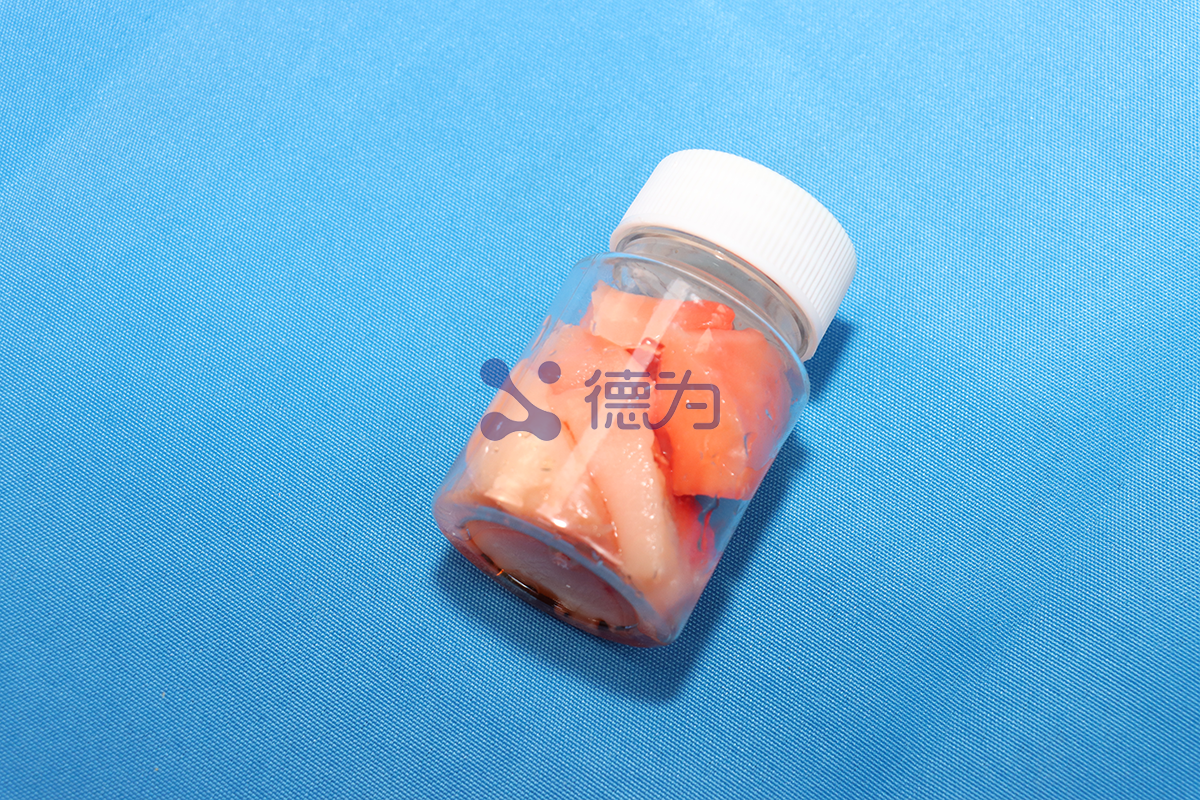
DeWei Medical's Thrombus Mimic: Solving Challenges in Stroke Device Company R&D and Testing
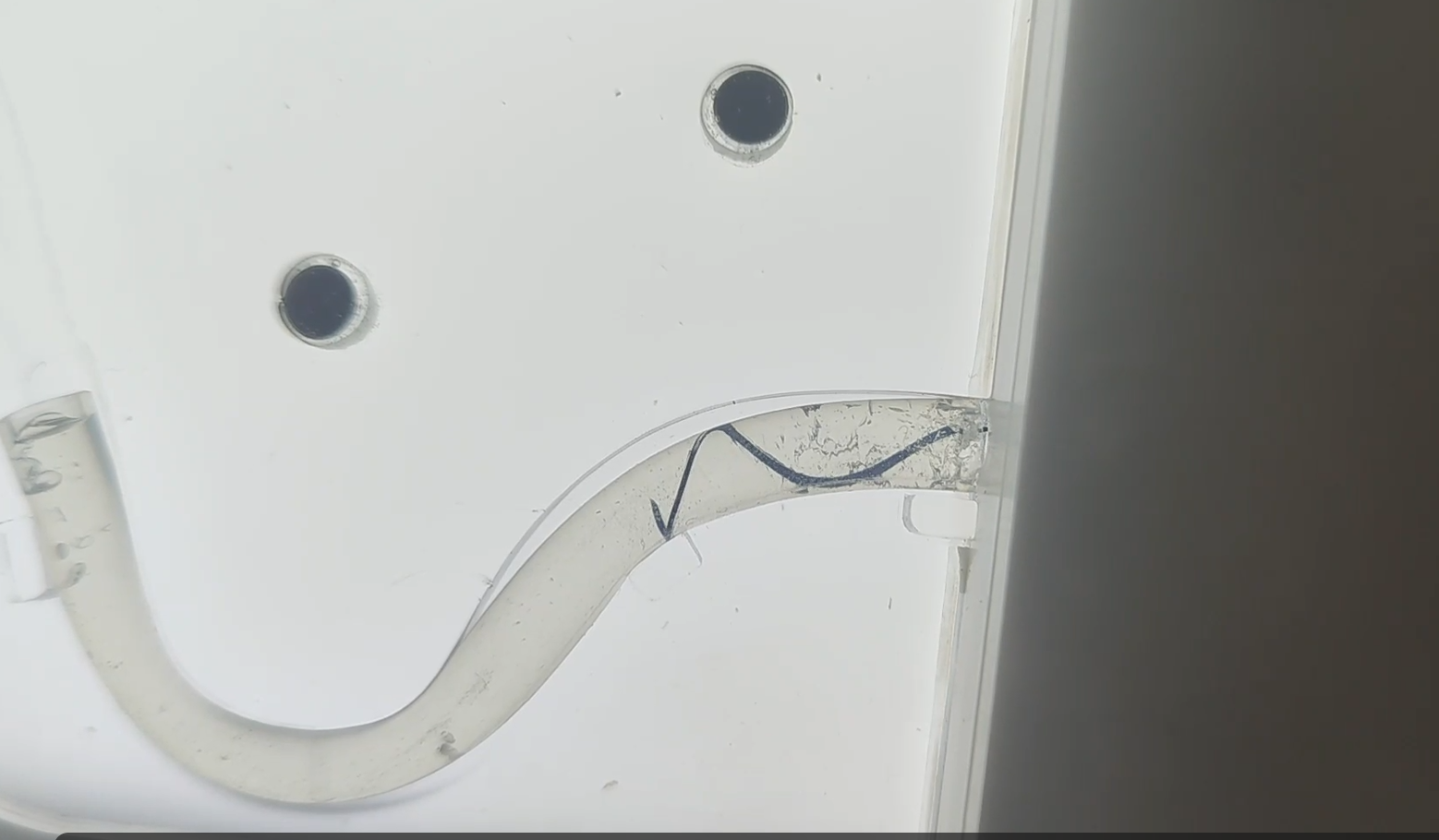
Many medical device companies have long faced a core challenge during the R&D and testing phases: the lack of test materials that can closely mimic the mechanical properties and morphological structures of real blood clots. Addressing this critical industry pain point, DeWei Medical, leveraging its deep R&D expertise, has innovatively developed clot surrogates that replicate the texture of blood clots at different stages—ranging from fresh to mixed to chronic clots. With exceptional material performance, these surrogates perfectly emulate the characteristics of genuine blood clots, providing robust support for medical device companies in their research and testing efforts.
View All
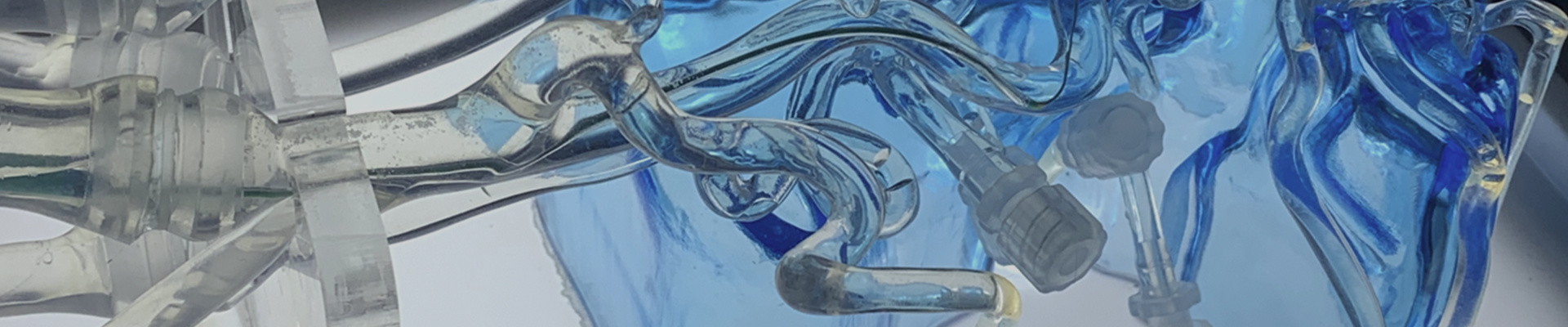
[Product Collection] 03 Simulation Model – Neurointerventional Vascular Model | Mimic Blood Vessels, Delivering Precision-Driven Insights
In the treatment of cerebrovascular diseases, conditions such as intracranial aneurysms, cerebral arteriovenous malformations (AVMs), acute ischemic stroke, and carotid artery stenosis often rely on neurointerventional procedures. Intracranial aneurysms are treated with coil embolization or stent-assisted embolization to prevent rupture and bleeding, while cerebral AVMs are managed by using embolic materials to block abnormal blood flow. Acute ischemic stroke requires the use of thrombectomy stents or aspiration catheters to reopen blocked vessels. And in cases of carotid artery stenosis, balloon angioplasty combined with stent placement is employed to restore proper blood flow.
[Product Collection] 03 Simulation Model – RF Ablation Heart Model | Cardiac RF Intervention Simulation
The advent of cardiac radiofrequency ablation stems from humanity's relentless pursuit of effective treatments for arrhythmias. In the early 20th century, options for managing arrhythmias were limited: drug therapies offered inconsistent results, while surgical interventions carried significant risks and invasiveness. Patients urgently needed safer, more reliable treatment approaches. By 1940, breakthroughs in cardiac electrophysiology revealed that abnormal electrical activity in specific heart muscle tissues was the root cause of arrhythmias, paving the way for innovative therapeutic strategies in the years to come.
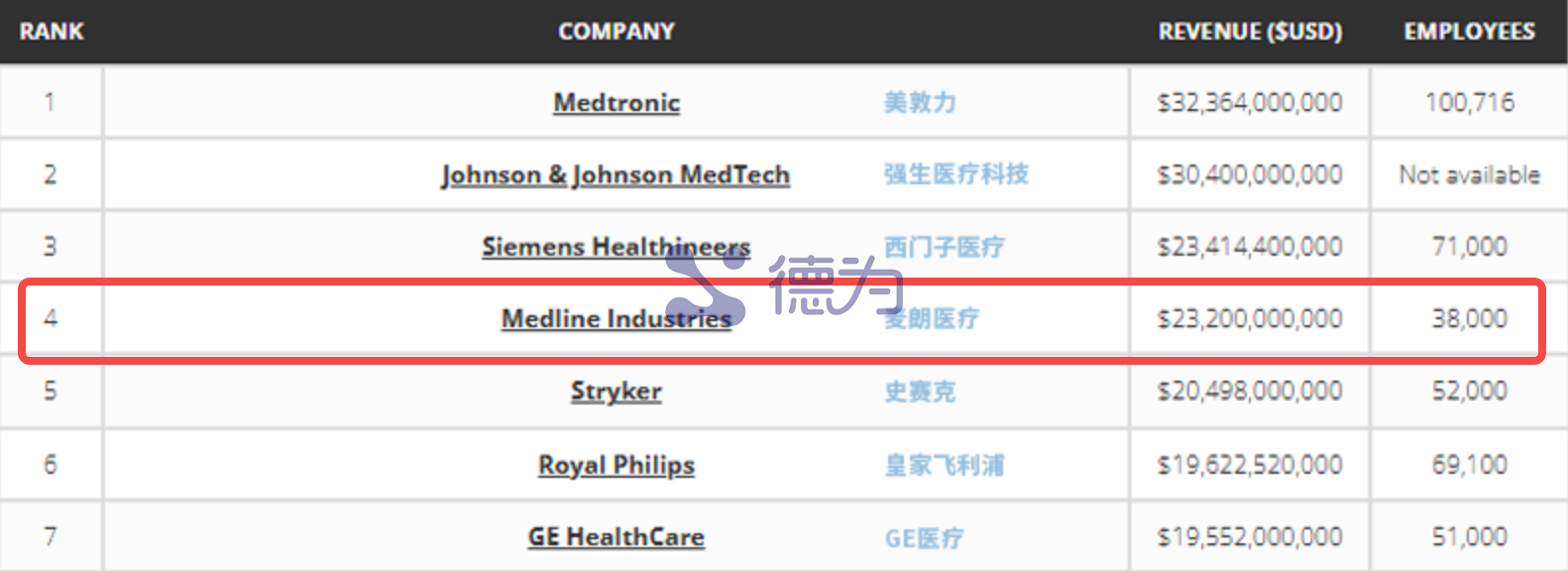
Medline's $50 billion IPO resumes, marking a significant milestone for the global medical device industry.
Medline, the world's fourth-largest medical device company, has restarted its IPO process—a move that goes beyond mere capital raising and is set to serve as a critical litmus test for global investor sentiment in the healthcare industry, as well as a key indicator of private equity exit strategies.
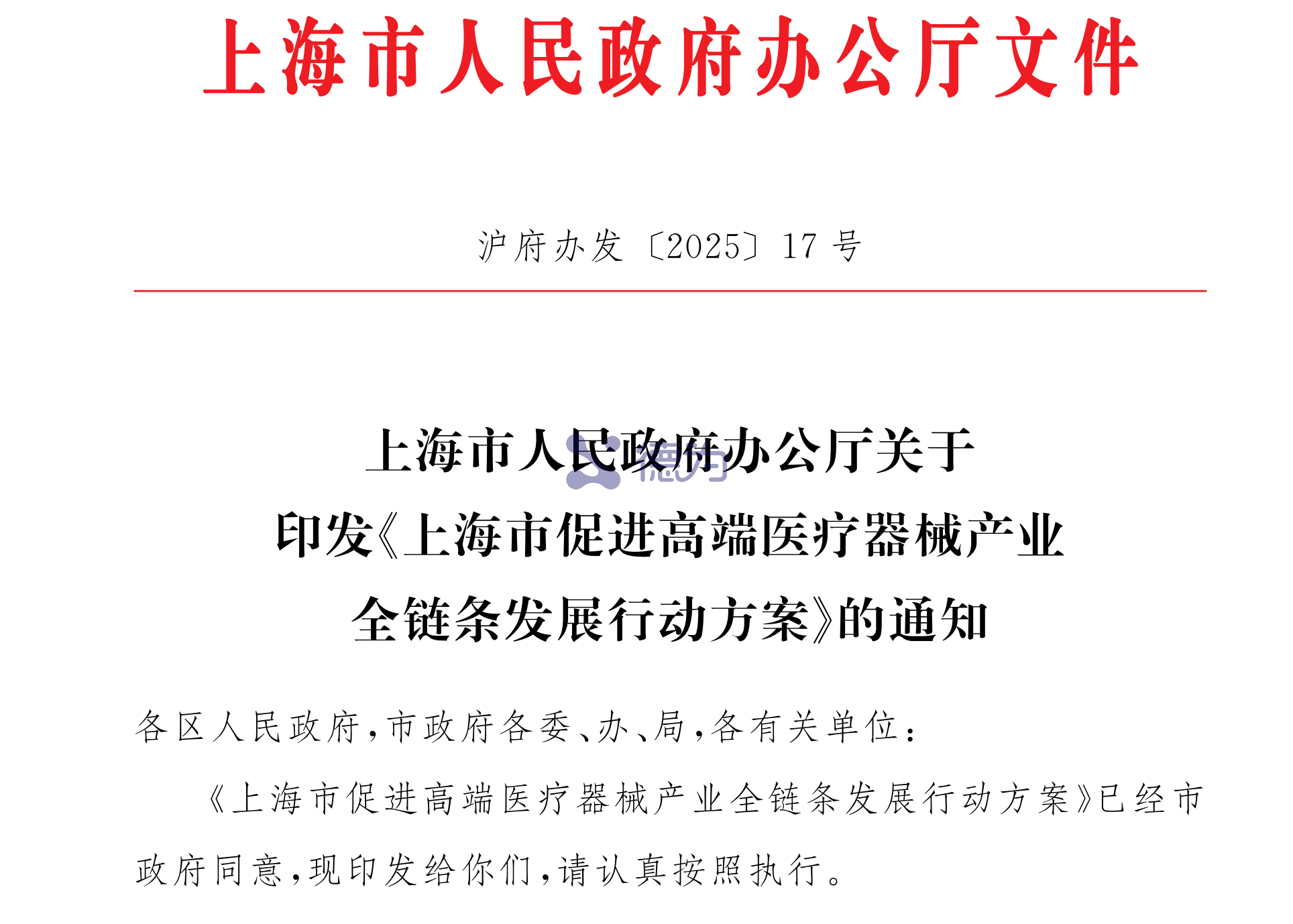
Interpretation of the "Shanghai Action Plan for Promoting the Full-Chain Development of the High-End Medical Device Industry" and Its Impact on the Medical Device Sector
The "Action Plan" sets forth key 2027 targets centered around innovative products, industry leaders, and strategic regional development: achieving over 500 new Class III medical device registration certificates issued domestically, while encouraging companies to develop high-value-added, cutting-edge innovations; securing more than 100 overseas approvals for products, helping enterprises expand globally and compete on the world stage; fostering two international industry leaders each with an output value exceeding 10 billion yuan, positioning them as trailblazers in their fields; and establishing three high-end industrial clusters in Pudong, Minhang, and Jiading, promoting resource integration and collaborative growth.
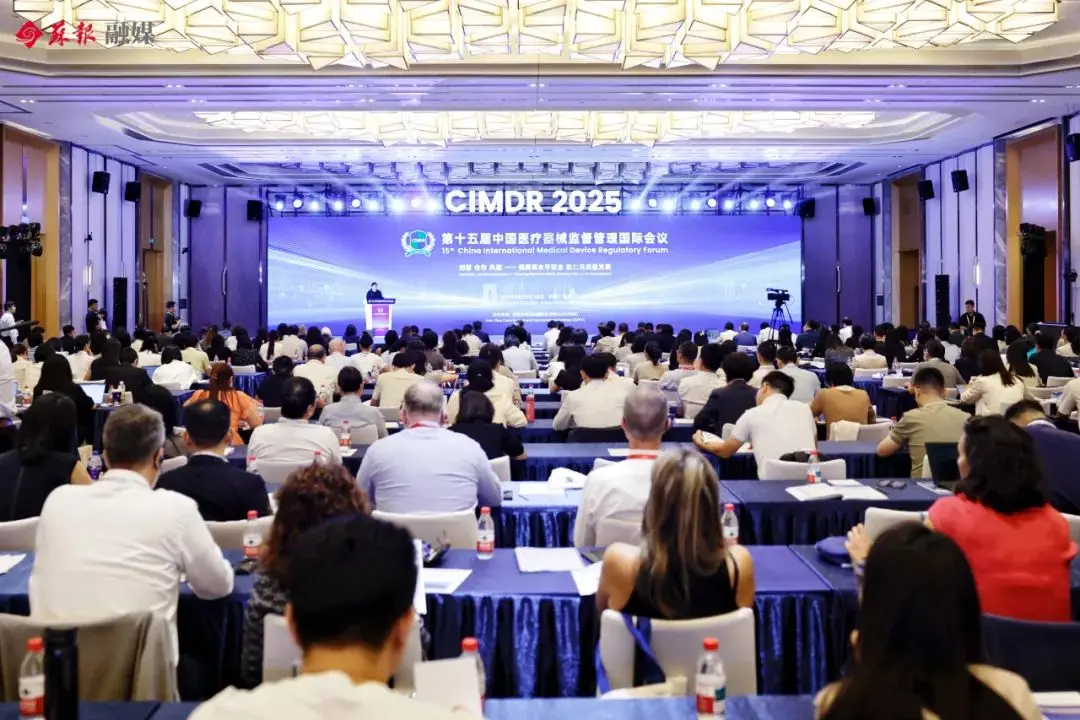
The 15th China International Conference on Medical Device Regulatory Affairs Kicks Off with Great Fanfare
The 15th China International Conference on Medical Device Regulatory Affairs will be held in Suzhou from August 26 to 28, 2025, aiming to drive innovation and growth in the medical device industry. This year’s conference will continue to focus on global trends in medical device innovation, the challenges posed by cutting-edge products and technologies, as well as key issues and bottlenecks faced by regulatory bodies and industry development. Attendees will have the opportunity to share insights into the latest international regulations and initiatives for medical devices, along with China’s new policies, technical guidelines, industrial advancements, and collaborative opportunities in the medical device sector.
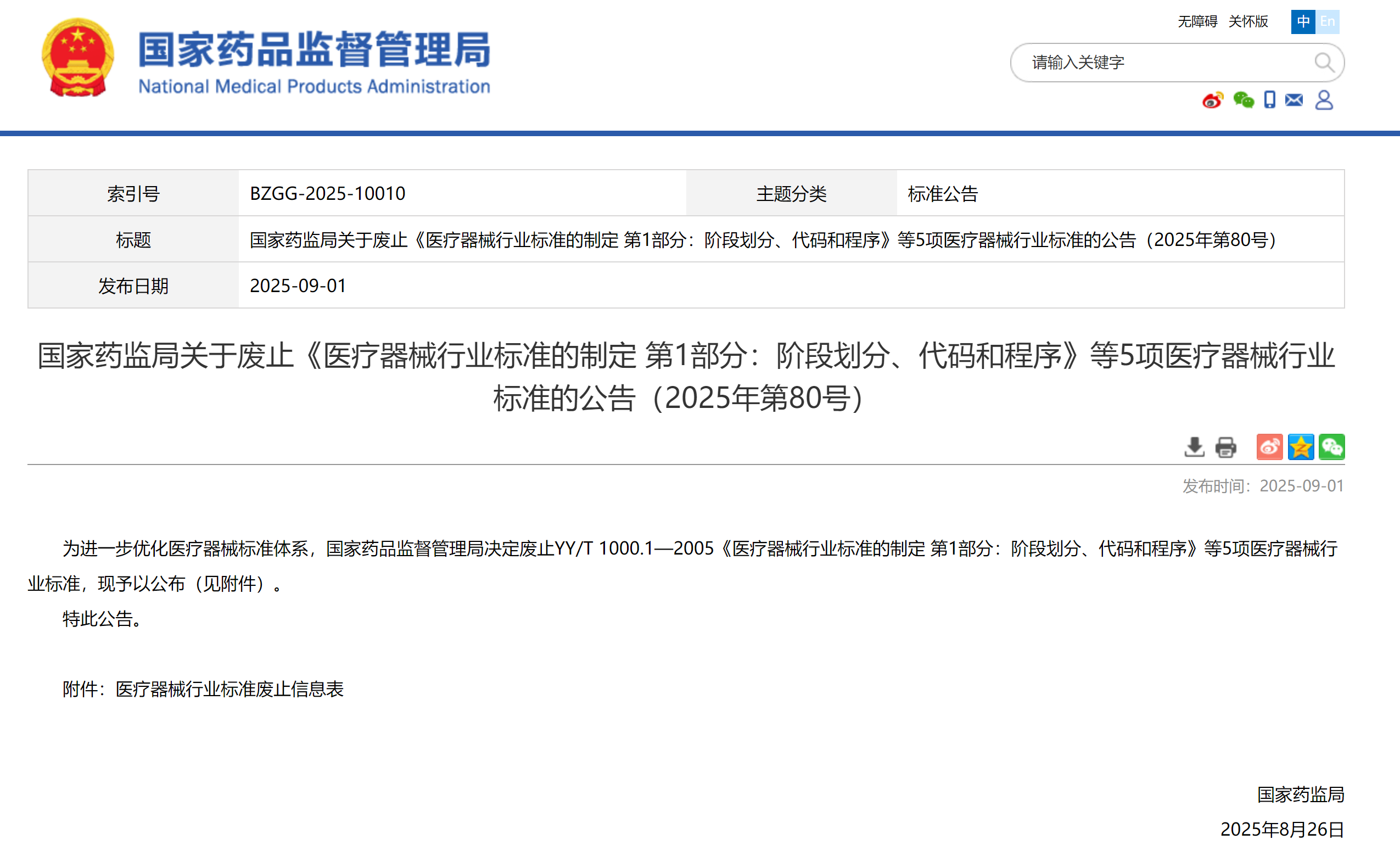
National Medical Products Administration Announces Abolishment and Amendments to Selected Medical Device Industry Standards—Policy Interpretation
On September 1, the National Medical Products Administration (NMPA) issued an announcement (No. 80 of 2025) announcing the abolition of five medical device industry standards, including "Medical Device Industry Standard Development—Part 1: Phase Division, Codes, and Procedures." At the heart of this announcement is the goal to streamline and optimize the medical device standards system. The decision to retire the outdated standards paves the way for new ones that are more scientifically sound and better aligned with the evolving needs of industry development and regulatory oversight.
DeWei Medical's Coronary CTO Anterograde and Retrograde Recanalization Testing Model: Providing a highly realistic, in-vitro testing platform for medical device development.
During the development of interventional devices for chronic total occlusion (CTO) lesions in coronary arteries, engineers face the significant challenge of discrepancies between the testing environment and the real vascular conditions. Traditional test models often fail to accurately replicate the complex anatomical structures and mechanical properties of human blood vessels, leading to deviations between device performance data obtained in testing and clinical outcomes—thus prolonging the product development cycle.
[Product Collection] 03 Simulation Model – Electrophysiological Heart Model | Electrophysiology Experiment Simulation Platform
Electrophysiological heart models are closely linked to various cardiac arrhythmia disorders. Atrial fibrillation is a common condition in which patients experience disorganized electrical signals in the atria, increasing the risk of serious complications such as blood clots and heart failure. Clinically, catheter ablation is often employed as a treatment, using tools like mapping catheters and radiofrequency ablation catheters to precisely locate and eliminate abnormal electrical pathways. Ventricular tachycardia, meanwhile, is equally challenging; during an episode, the ventricles beat excessively fast, potentially leading to sudden cardiac arrest, necessitating procedures that combine mapping and ablation to restore normal heart rhythm. Additionally, atrioventricular block—a condition where electrical signals between the atria and ventricles are disrupted—can severely impair cardiac function, often requiring implantation of a pacemaker for effective management.
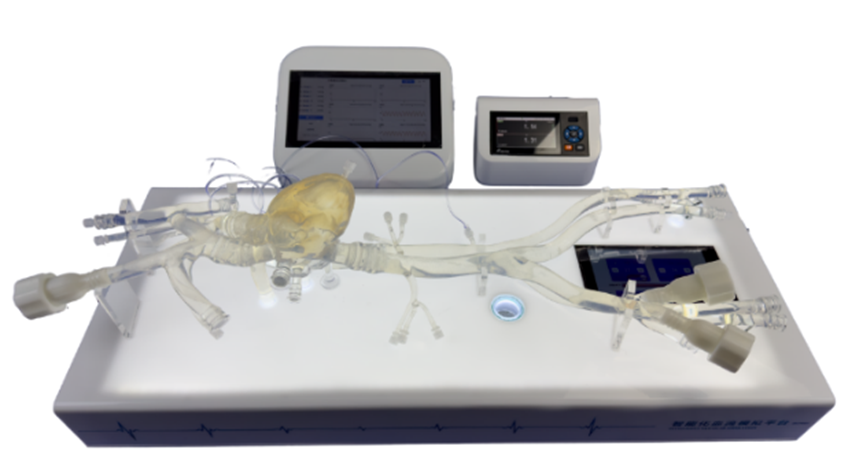
[Product Collection] 03 Simulation Model – Pulmonary Artery Intervention Vascular Model | Modular Components
The evolution of pulmonary artery intervention therapy reflects the continuous exploration and breakthroughs in the medical field. In the 1980s, pioneering physicians first began experimenting with balloon angioplasty to address pulmonary artery stenosis, marking the dawn of interventional treatment for this condition. Since then, catheter-guided techniques have steadily gained prominence, offering unparalleled precision in targeting lesions while enhancing both the accuracy and safety of procedures. As a result, these advancements have significantly improved treatment outcomes and patient safety, firmly establishing interventional therapy as the mainstream approach for managing pulmonary artery stenosis today.
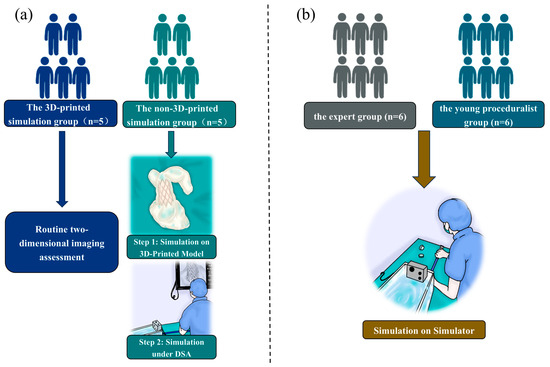
3D-Printed Transcatheter Pulmonary Valve Replacement Simulator: Development and Validation
This study introduces a novel training tool designed to enhance teaching and training methods related to TPVR. Patient-specific models can be effectively used for both pre- and post-operative planning, and trained physicians not only demonstrated improved performance after the training but also outperformed their untrained counterparts significantly. Importantly, this approach helps minimize radiation exposure and surgical risks. Incorporating 3D-printed models into medical training markedly deepens doctors' understanding of the anatomical structures and pathophysiological features associated with cardiovascular diseases. Additionally, it sharpens their surgical skills, boosting overall training effectiveness, shortening the learning curve, and enriching hands-on experience. While current simulators may not yet deliver a completely realistic simulation experience, their consistently reliable performance underscores their immense potential for future clinical applications.
DeWei Medical's Cardiac Electrophysiology Model: Precise Simulation, Pioneering a New Paradigm in Cardiovascular Diagnosis and Treatment
In the complex battlefield of cardiovascular disease diagnosis and treatment, arrhythmias are like hidden "reefs"—slight carelessness can trigger life-threatening risks. Clinically, there is an urgent need for tools that can precisely replicate cardiac electrophysiological scenarios and faithfully recreate real-world diagnostic challenges. Deeply committed to medical innovation, DeWei Medical has developed a cardiac electrophysiology model, unlocking new possibilities in cardiovascular training and research with its key principles: "lifelike simulation, deep customization, and all-around empowerment," thereby addressing industry bottlenecks and paving the way for breakthroughs in this critical field.
Request a quote
*Please keep your phone accessible—we'll reach out to you within 24 hours.