


In April 2023, DeWei Medical successfully delivered the ECMO mock-up testing system to the Human Pulmonary Circulation Project Team at Fuwai Hospital, Chinese Academy of Medical Sciences.
Release date:
2023-04-24
In April 2023, DeWei Medical successfully delivered the ECMO phantom testing system to the Human Pulmonary Circulation Project Team at Fuwai Hospital, Chinese Academy of Medical Sciences, completing China's first-ever in-vitro validation experiment for ECMO equipment—and addressing a key scientific challenge encountered during ECMO cannulation procedures.
In April 2023, DeWei Medical successfully delivered the ECMO mock-up testing system to the Human Pulmonary Circulation Project Team at the Fuwai Hospital of the Chinese Academy of Medical Sciences, completing China's first-ever in-vitro validation experiment for ECMO equipment—and addressing a key scientific challenge encountered during ECMO cannulation procedures.
Introduction to the ECMO Phantom Testing System
The principle of Extracorporeal Membrane Oxygenation (ECMO) technology involves using arterial and venous catheters to divert venous blood—normally returning to the right heart from systemic circulation—out of the body. This blood is then oxygenated via a membrane lung before being pumped back into the body’s major arteries, effectively supplying the organism with oxygen. When a patient’s lung function is severely impaired and conventional treatments fail, ECMO can take over the critical task of gas exchange, allowing the lungs to rest and providing valuable time for the patient’s recovery. Similarly, if a patient’s cardiac function is compromised, an ECMO blood pump can step in to mimic the heart’s role in circulating blood, ensuring continuous blood flow throughout the body. The ECMO mock testing system is designed specifically for V-ECMO or A-ECMO cannulation procedures, enabling real-time monitoring of arterial and venous fluid pressure parameters as well as flow rates during the insertion process.
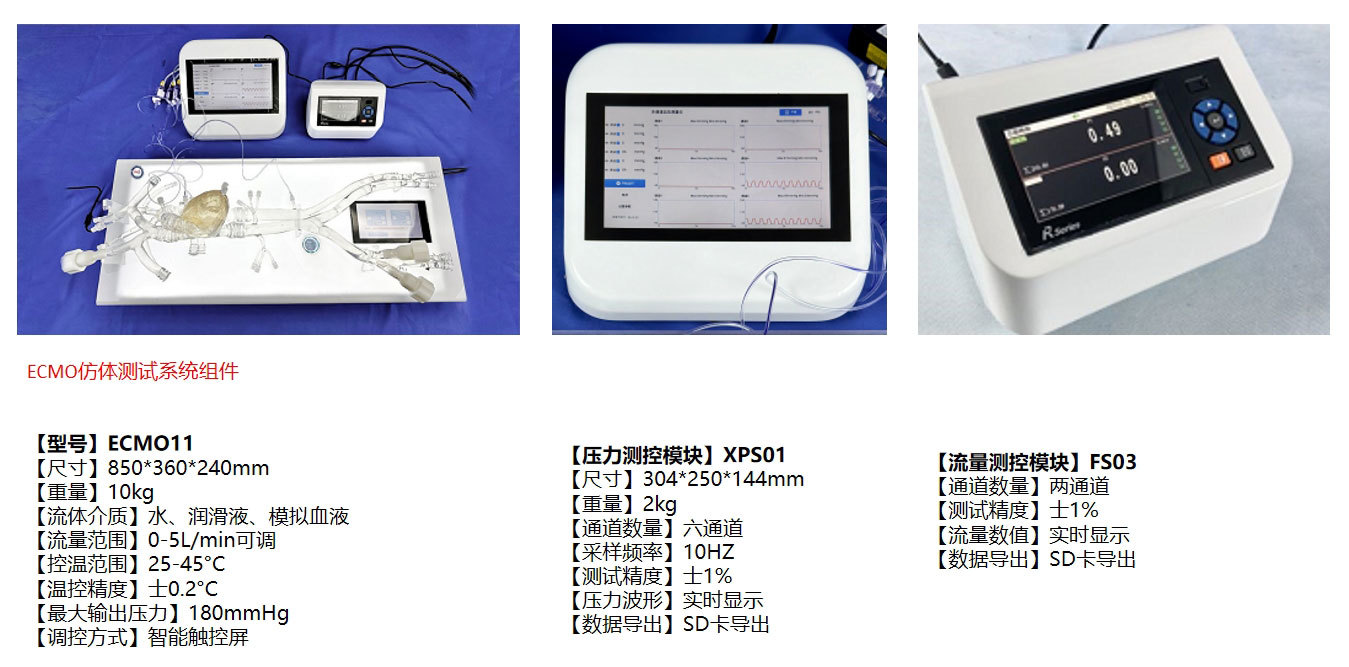
ECMO Phantom Testing System – Vascular Structure
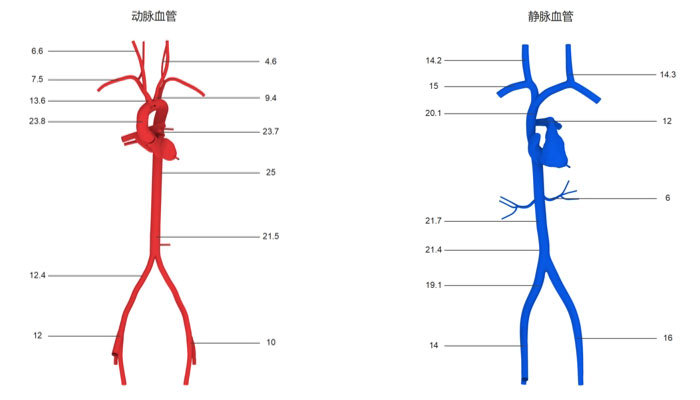
(1) The model data is derived from real human CT scans and includes all the blood vessels necessary for surgical procedures—ranging from the femoral arteries and veins to the brachiocephalic arteries and veins—and also features a four-chamber heart.
(2) Three puncture sites, located respectively in the right femoral vein, right femoral artery, and right jugular vein.
Keywords:
Medical,Intubation,Artery,Vein
Request a quote
*Please keep your phone accessible—we'll reach out to you within 24 hours.
PARTNERSHIP
Partnership

Contact us
Address: Wangzuo Qujiang, 3269 Yanxiang Road, Yanta District, Xi'an City
Pre-sales Consultation
Request a quote


