


DeWei: Innovative Applications of Medical Simulation Models
Release date:
2025-06-26
In today’s rapidly advancing medical technology landscape, interventional devices—now the cornerstone of modern minimally invasive treatments—are undergoing unprecedentedly rapid iterations and updates. For device manufacturers, a high-quality interventional device showroom is not just a showcase for their products; it also serves as a vital platform to demonstrate technological expertise and attract both partners and potential customers.
DeWei: Innovative Applications of Medical Simulation Models
The interactive exhibition hall offers an immersive experience with interventional medical devices.
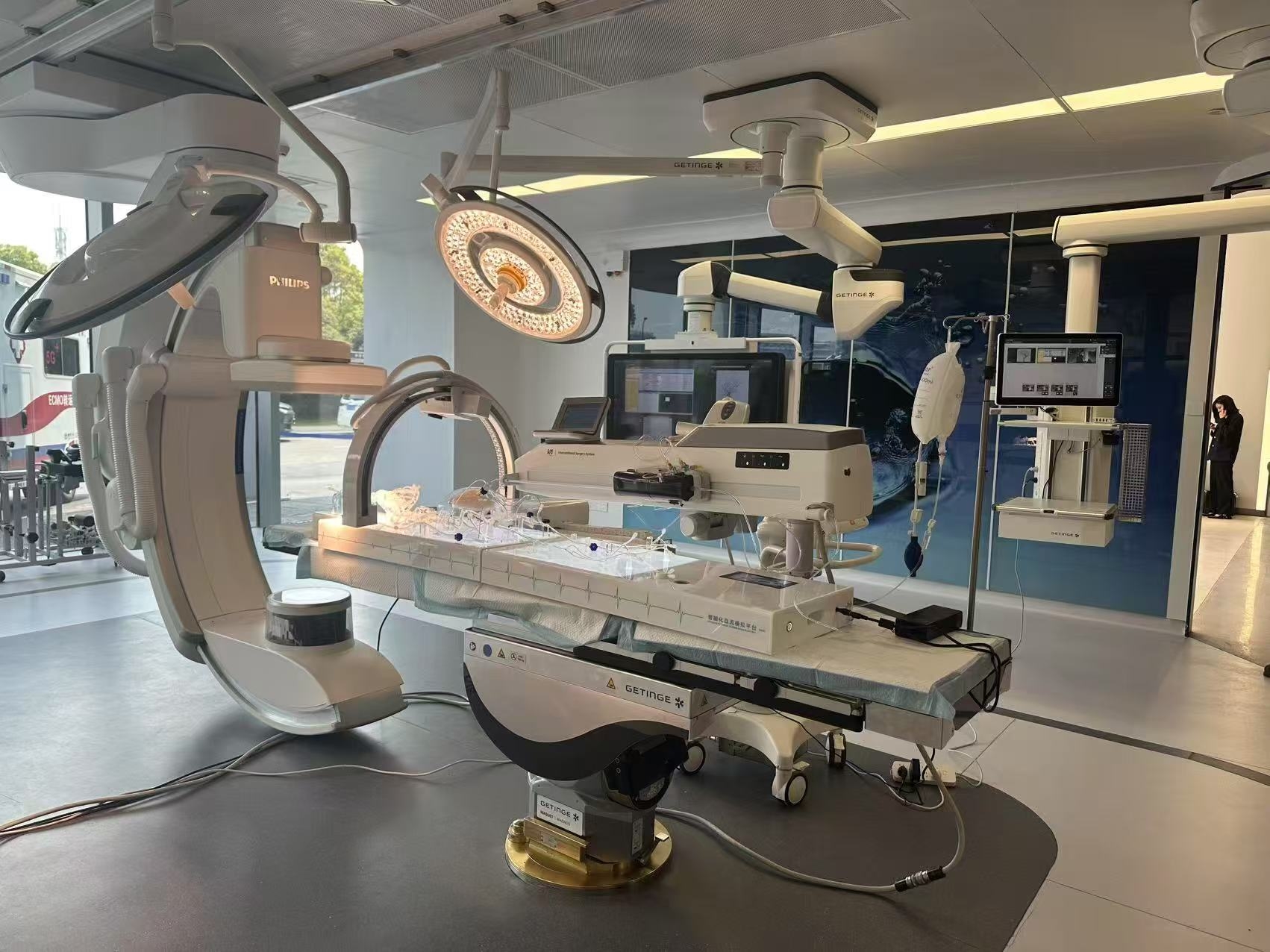
Philips DSA Interventional Suite + Pan-Vascular Interventional Robot + Intelligent Blood Flow Simulation Platform
In today’s rapidly advancing medical technology landscape, interventional devices—playing a pivotal role in modern minimally invasive treatments—are undergoing unprecedentedly rapid iterations and updates. For device manufacturers, a high-quality interventional device showroom is not just a showcase for their products; it also serves as a vital platform to demonstrate technological expertise and attract both partners and potential customers. A lifelike vascular model is undoubtedly a key element in exhibition design, helping to highlight the exhibit's specialized features and significantly enhancing its overall impact. By providing an intuitive simulation of the human vascular environment, it enables visitors to better grasp how interventional devices function and perform in real-world scenarios—thereby greatly boosting both the exhibit's persuasiveness and its professional credibility.
Set up a simulated operation area in the exhibition hall, equipped with realistic vascular models and interventional devices. Visitors, guided by expert staff, will personally experience the workflow of interventional procedures, gaining firsthand insights into the feel and performance of the instruments. This immersive, interactive experience allows visitors to gain a deeper understanding of the product while simultaneously strengthening their trust in and appreciation for the brand.
Core Product Advantages
DeWei Medical's Vascular Simulation Model: A Core Tool for Building Interventional Device Showrooms
I. Simulation Structure:
Our company’s simulated vascular models are made using self-developed materials and manufacturing processes. The anatomical structure and dimensions are based on real CT/MRA data from Chinese individuals. The vascular components are made from highly transparent, elastic silicone, crafted using a proprietary silicone formulation and produced via a 3D printing process. The thinnest vessel in the model achieves an inner diameter of just 1.5 mm. This model accurately replicates the physiological structure and mechanical properties of human blood vessels—capturing not only their elasticity and flexibility but also the hemodynamic environment—with remarkable fidelity to real human anatomy. Using our simulated vascular models in the interventional device exhibition hall provides visitors with a more realistic and immersive display experience. Additionally, we also offer Customized Services Based on the unique features of each device and specific display requirements, we design tailored simulation vascular model solutions to ensure optimal presentation results. 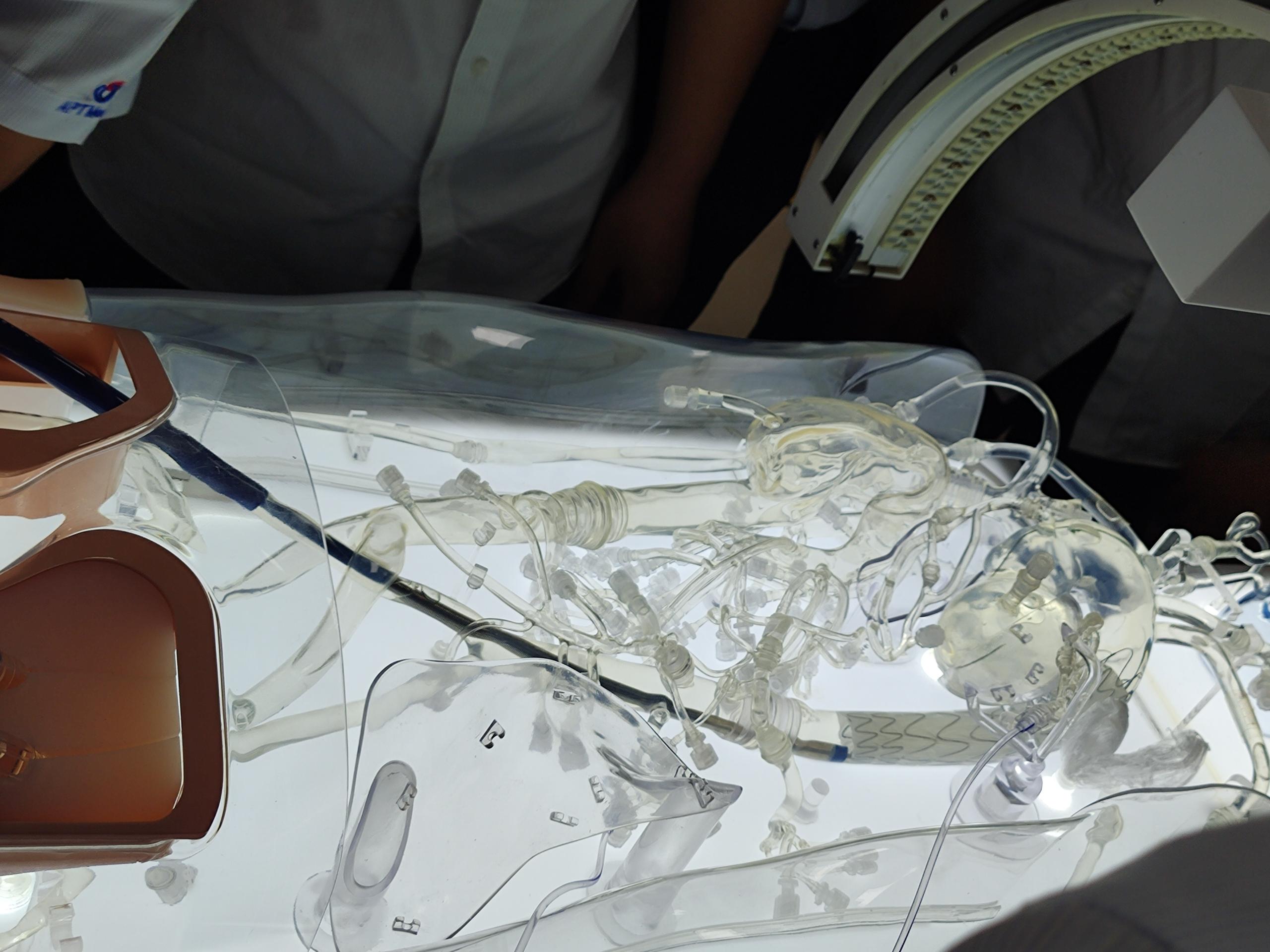
II. Dynamic Demonstration:
In traditional exhibition halls, the "performance parameters" of medical devices often remain confined to display panels and verbal explanations—yet Derway Medical transforms abstract technical principles into compelling visual narratives by recreating dynamic, real-world scenarios.
- Hemodynamic Real-Time Simulation
Based on our self-developed intelligent blood flow simulation platform, the model can precisely control parameters such as average flow velocity (30–50 cm/s) and pressure gradient (5–15 mmHg). Paired with transparent silicone vascular walls, it clearly visualizes details like the contrast agent’s flow trajectory and hemodynamic changes occurring during stent deployment. For instance, in the collaborative showroom of MicroPort Medical and Philips, the dynamic model vividly demonstrated the positioning accuracy of cardiovascular interventional devices in a realistic blood flow environment, presenting the "entire surgical process" in a fully immersive, three-dimensional visualization.
- Dynamic Mapping of Pathological Features
The model can simulate over 20 typical lesions—such as narrowed vessels (diameter reduction of 50%–90%), aneurysms (expansion rates of 150%–300%), and calcified plaques (modulus: 2.1 ± 5.4 MPa)—to suit the clinical application scenarios of various medical devices. When Ebohechuang showcased its XXXXX interventional device, the dynamically simulated scenario of a narrowed vessel directly demonstrated the device’s excellent trackability and apposition properties, making its "capability to treat complex lesions" both observable and quantifiable.
- Multimodal Imaging Collaboration Demonstration
In Kaile Group's "Smart Empowerment" themed exhibition hall, the DeWe model is deeply integrated with the Intravascular Ultrasound (IVUS) system: leveraging fiber-optic sensing technology to provide real-time feedback on device operation pressure, combined with 12-40MHz ultra-wideband imaging that clearly visualizes the microscopic structure of the vessel wall and aids in precise catheter path planning. This seamless three-dimensional integration of "imaging - model - device" instantly highlights the technological advantages of "precision diagnosis and treatment."
3. Interactive Experience:
DeWei Medical breaks away from the traditional exhibition hall model of "one-way information delivery," instead adopting a simulated operational zone design that transforms visitors from passive recipients into active "participants" who can verify the technology firsthand.
- Immersive surgical procedure simulation
The exhibition hall features simulated vascular models paired with authentic interventional device operation kits. Under the guidance of experts, visitors can personally practice core procedures such as guidewire advancement and stent deployment. For instance, when simulating coronary artery bifurcation lesions, operators can directly experience the smooth passage of single-crystal composite catheters through tortuous vessels—and how multi-modal imaging provides precise guidance for navigating the surgical path. This "tactile + visual + data" triple feedback system significantly enhances participants' understanding of the product's performance.
- Real-time Data Feedback System
The model is equipped with a built-in pressure sensor and a flow monitoring module, allowing real-time display of parameters such as catheter tension (0.1–5 N) and blood flow resistance index (0.5–3.0) during operation. When CrownMed showcased its peripheral vascular intervention devices, visitors could directly verify the devices' performance stability across various lesion scenarios by operating the model and observing the resulting data changes. This "data-driven experience" significantly enhanced the credibility of the technology.
- Personalized Interactive Teaching Module
Design differentiated interaction processes tailored to the distinct needs of healthcare professionals and investors:
Professional pathway: Offers in-depth content such as lesion anatomy annotations and device parameter comparisons to support clinical decision-making and evaluation.
Educational Route: Simplify operational steps with AR annotations, paired with voice-over explanations that highlight core values like "minimally invasive treatment means less trauma and faster recovery," thereby lowering the comprehension barrier for general audiences.
Diverse Application Scenarios for Exhibition Halls
Building a full-chain application ecosystem that spans "from science communication to scientific research, and from experience to commerce."
1. Disease Education: Making Expertise "Tangible"
- Anatomical-level pathology demonstration
Based on real CT/MRA data from Chinese patients, the vascular structures are faithfully reconstructed at a 1:1 scale, with the narrowest vessel diameter reaching as low as 1.5 mm. Combined with color-coded distinctions—such as red highlighting for stenotic areas and blue marking aneurysms—the system visually showcases the vascular abnormalities associated with conditions like hypertension and atherosclerosis. In patient-focused exhibition spaces, this "visible and tangible" presentation approach significantly enhances the effectiveness of educating audiences about the necessity of interventional treatments.
- Dynamic Illustrated Guide to Treatment Principles
Through a detachable model design, key procedures such as stent deployment and balloon angioplasty are demonstrated step by step: First, the original state of the diseased vessel is shown, followed by the presentation of structural changes after treatment via interchangeable components. Complemented by a self-developed illuminated platform that highlights the precise positioning of the medical devices, this approach makes the intricate mechanisms behind "how minimally invasive therapy works" instantly clear at a glance.
II. Equipment Testing: The Showroom as the "Laboratory"
- Early R&D Validation
Companies can set up an "R&D Testing Corner" in their showrooms, using models to simulate real-world disease scenarios and collect real-time data on device performance—such as pushing force and wall-apposition rate—providing intuitive insights for product iteration.
- Competitor Comparison Demo
In investment negotiation settings, visually demonstrating the operational performance of different brand devices on the same model—such as differences in time taken to navigate narrow vessels or peak pressure levels—effectively conveys the products' competitive advantages.
3. Surgical Procedure Simulation: Integrated Training and Demonstration
- Standardized Surgical Training
Providing customized models for medical education and training, specifically designed for internal interventional surgery simulations. These realistic simulation environments allow medical students, resident physicians, and other healthcare professionals to practice surgical techniques, honing their skills in critical areas such as instrument placement, angle control, and depth perception. By doing so, the approach enhances precision and proficiency, ultimately reducing the risk of complications that may arise from inexperience during actual surgical procedures.
- Innovation Procedure Release Platform
When a company launches a groundbreaking new procedure, it can host a global debut demonstration using advanced models. At its showroom, the Lepu Group showcased a simulated vascular model to publicly unveil its "Precision Stenting Procedure for Bifurcation Lesions Guided by Multimodal Imaging Navigation," drawing attention from numerous industry media outlets and sparking a significant surge in related technology-related search queries.
Showcase of Collaborative Enterprise Cases
Wanshi Medical x Philips
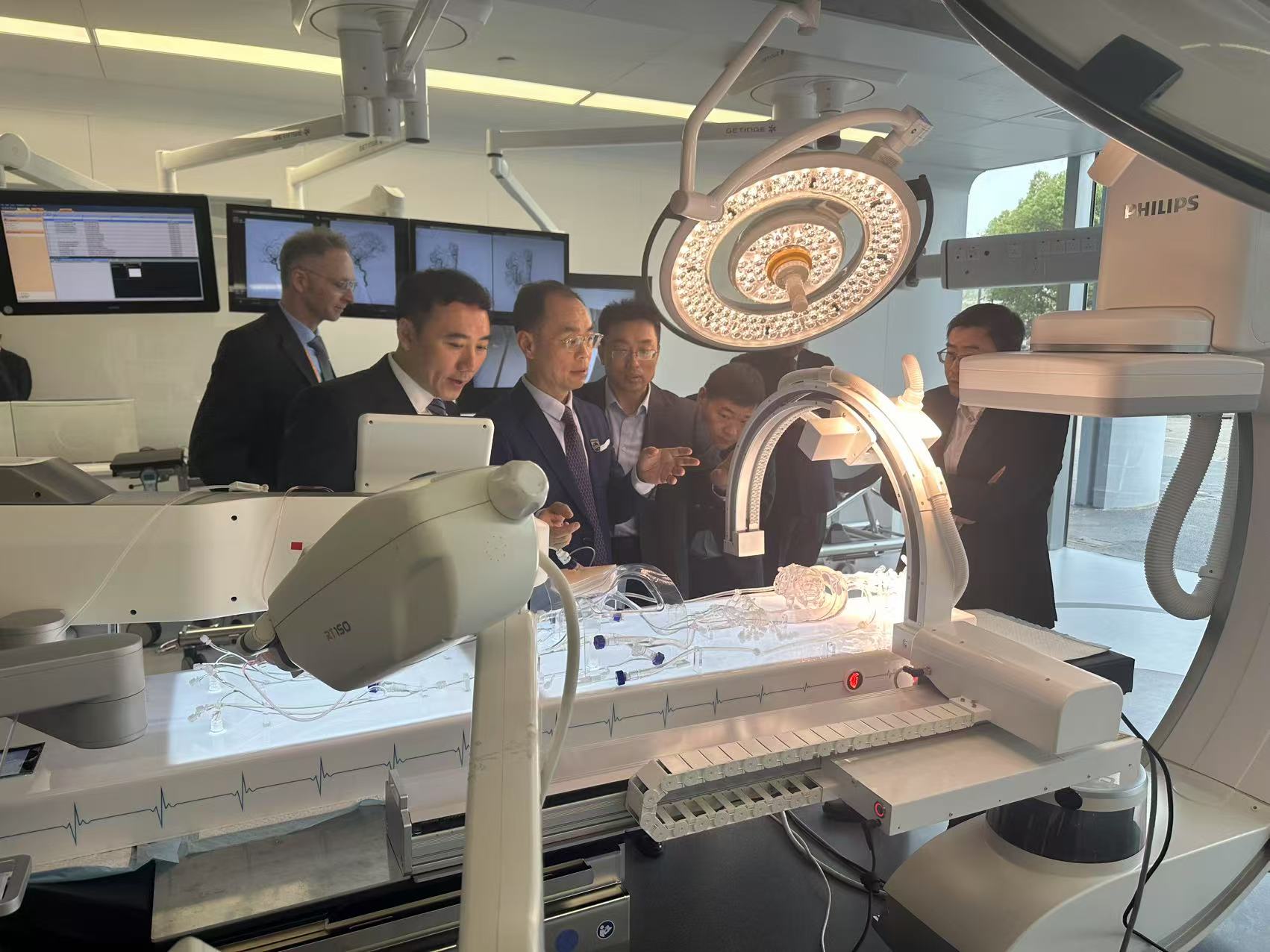
On April 9, 2024, during the 91st China International Medical Equipment (Spring) Expo, Beijing Wansi Medical Technology Co., Ltd. officially signed a cooperation memorandum with Philips (China) Investment Co., Ltd. Wanshi Medical’s showroom has specially introduced our intelligent blood flow simulation platform, a model system that accurately replicates the anatomical details and physiological characteristics of human blood vessels. Paired with real-time demonstrations of interventional device operations, it vividly showcases the entire process of cardiovascular intervention therapy. On-site industry professionals directly experienced the product’s clinical value by observing the precise positioning and seamless operation of the device on a model, making it a real "eye-catching highlight" in the exhibition hall—and further helping WanS Medical and Philips reach a significant consensus during their collaborative discussions.
Aibo Hechuang
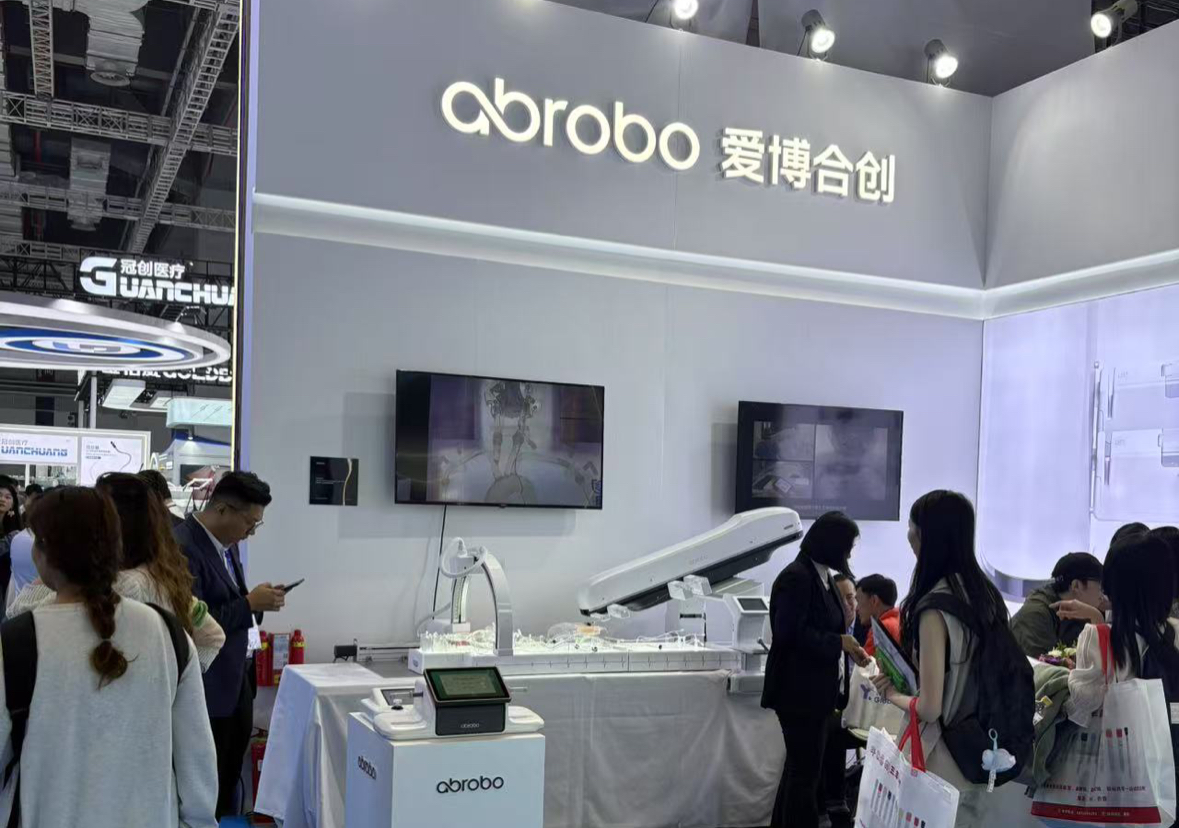
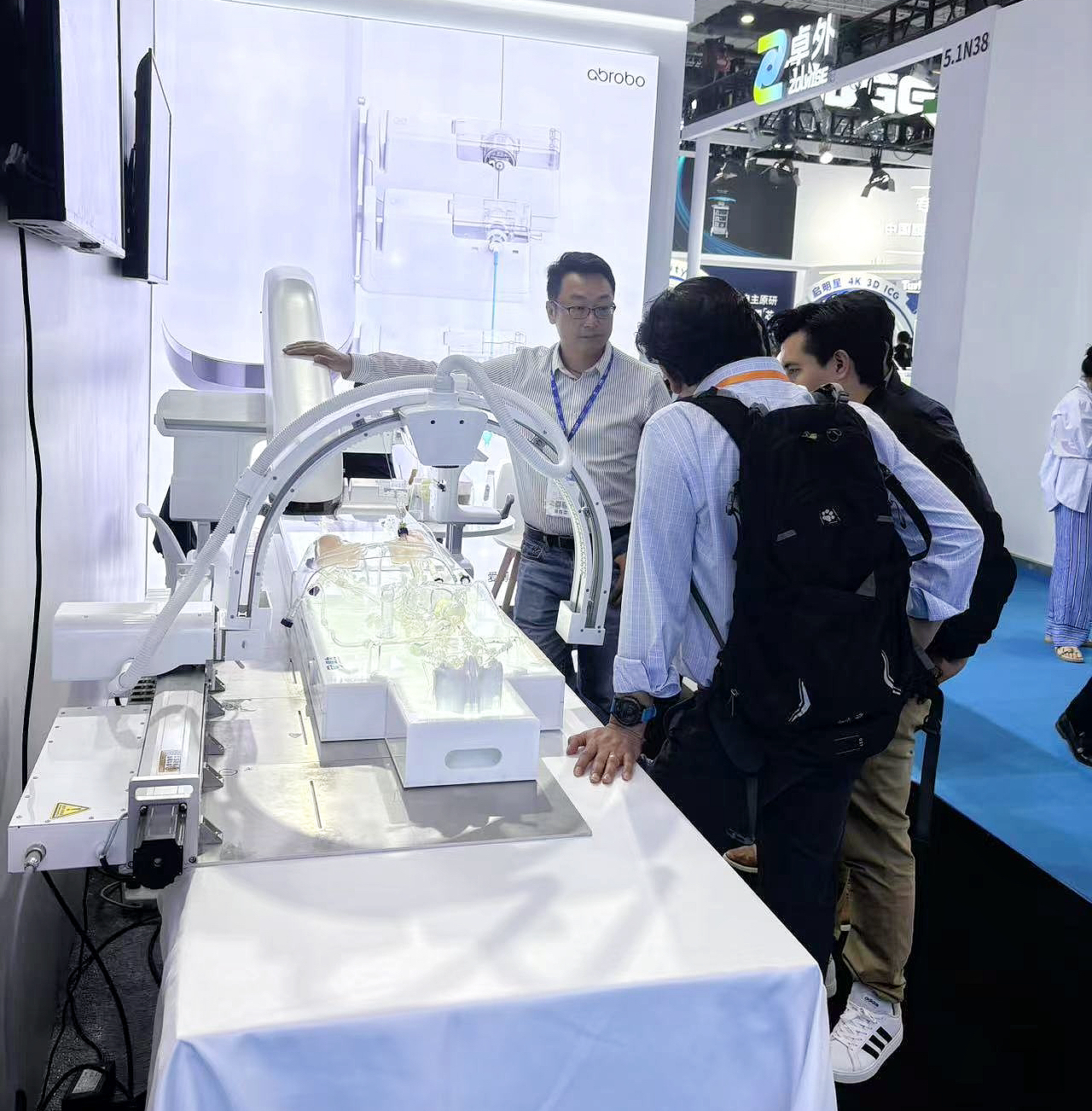
Also exhibiting at the same event, Aibo Hechuang Company similarly chose our simulated vascular models as their core demonstration tool. Specifically tailored for their newly developed xxxxx interventional devices, we created custom simulation models that accurately replicate pathological features such as narrowed vessels and aneurysms, providing a realistic portrayal of complex vascular conditions. During the demonstration, operators used the models to clearly showcase the device’s ease of navigation through diseased vessels, its ability to adhere securely to vessel walls, and its impressive therapeutic outcomes—allowing visitors to witness firsthand how the product performs exceptionally in real-world clinical settings. This "visible and tangible" presentation approach not only significantly shortens the customer’s learning curve but also enhances the brand’s perceived technical credibility.
Kaili Group
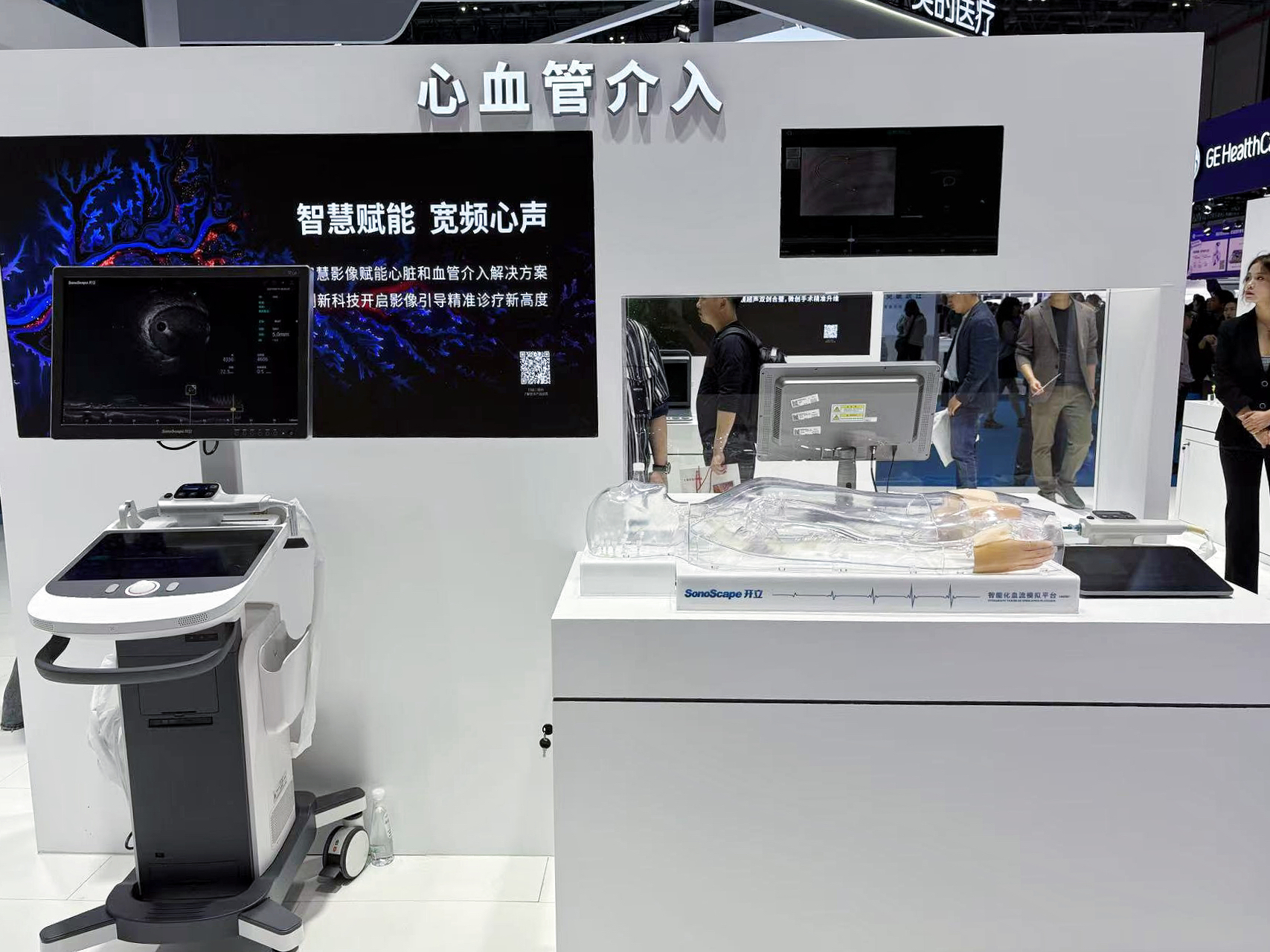
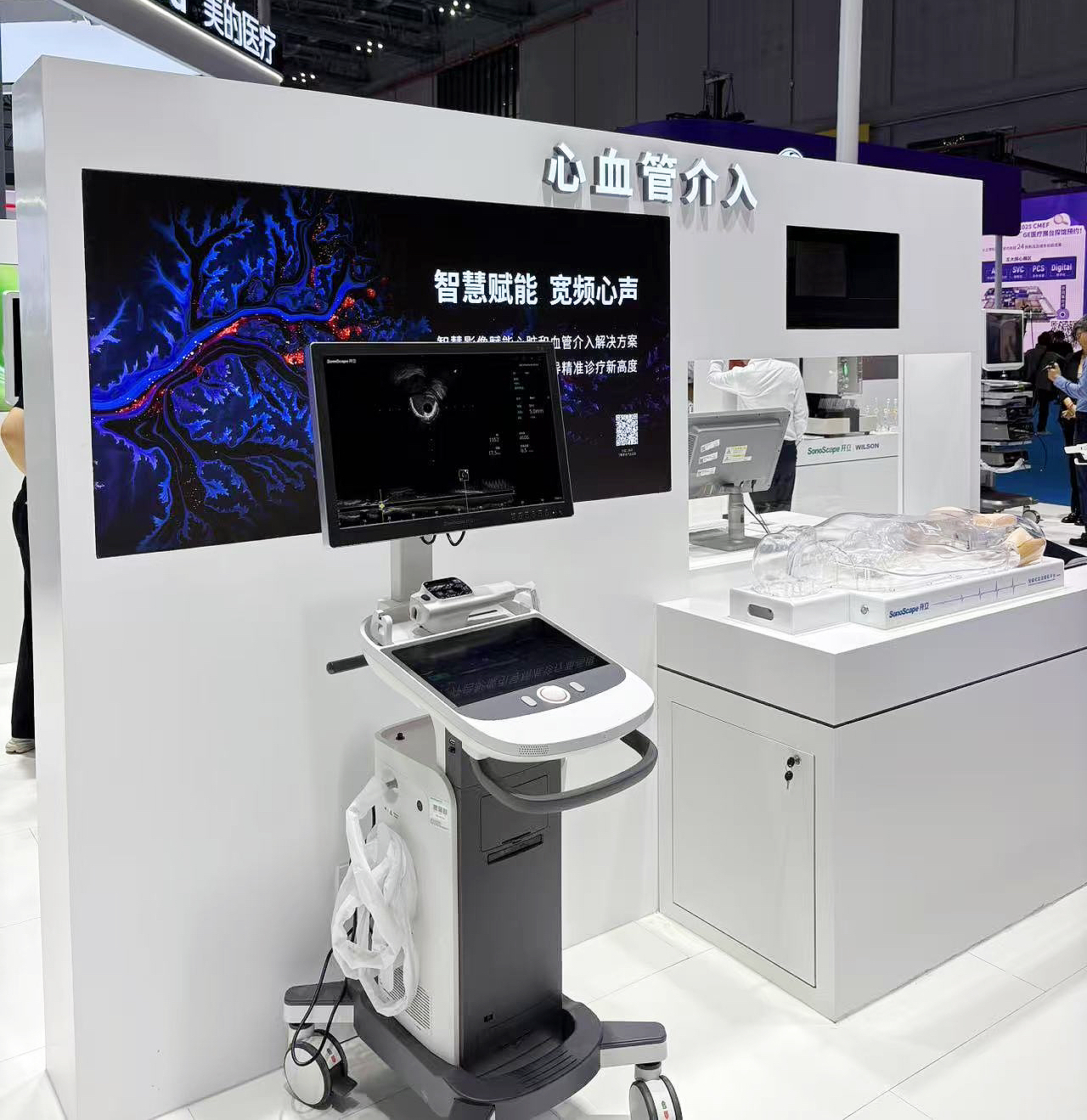
As a leading domestic enterprise in high-end medical devices, Kaili Group has innovatively leveraged our company’s intelligent blood flow platform as the central exhibit in its "Smart Empowerment – Broadband Heartbeat" themed showroom. Specifically tailored for their independently developed V-reader® Intravascular Ultrasound Diagnostic System, we designed simulated vascular models that accurately replicate complex pathological features such as coronary artery stenosis, bifurcation lesions, and calcified plaques. These models not only precisely mimic the elastic modulus (50–80 kPa) and hemodynamic parameters (average flow velocity of 30–50 cm/s) of human blood vessels but also incorporate fiber-optic sensing technology to provide real-time pressure feedback during device manipulation. During the demonstration, operators were able to visually showcase the system’s capabilities directly through the models.
Ultra-wideband imaging technology (12–40 MHz) offers high-resolution visualization of the vascular wall's microstructure;
Superb trackability of single-crystal composite material catheters in tortuous vessels;
Multimodal imaging integration (angiography + IVUS) for precise planning of interventional surgical pathways.
Customized Services
DeWei Medical rejects "standardized templates," opting instead for end-to-end customization capabilities to meet diverse, differentiated needs.
- Customized lesion types: It can address 5 major departments—covering coronary heart disease, stroke, peripheral vascular diseases, and more—and supports personalized design for over 30 typical lesions, including mixed conditions like stenosis plus calcification, as well as rare cases such as vascular malformations.
- Posture Simulation Customization: We offer a variety of procedural positioning models, including femoral and radial artery approaches, and can even design custom angles tailored to the specific characteristics of the instruments—such as a 45° angle for renal artery ostia.
- Brand Visual Integration: By integrating corporate VI elements—such as model stands and vascular markings—into the design, combined with the brand logo, we enhance the visual consistency of the display scenario.
Closing remarks: When "demonstration" becomes the frontline of technology implementation
Building an interventional device exhibition hall is a systematic project that requires careful development across multiple dimensions, including positioning, design, and visitor experience. Meanwhile, a high-quality simulated vascular model can infuse the exhibition hall with expertise and vitality, serving as a key element to attract visitors and enhance the overall display effectiveness.
In today’s intervention device industry, where "technological homogenization" is intensifying, Derui Medical has leveraged its simulated vascular models as a pivotal point to unlock a "second growth curve" for its showroom value: it serves not only as a "showcase" for products but also as a "translator" of technology, an "incubator" for immersive experiences, and a "catalyst" for collaboration.
From the multinational collaboration between Vantech Medical and Philips to KaiLi Group's technology debut, more and more industry leaders are choosing to reshape their brand narratives with "tangible technology."
In the future, DeWei Medical will continue to deepen its expertise in independently developed silicone materials and simulation technology, ensuring that every showroom becomes the "frontline" of medical innovation. DeWei Medical looks forward to collaborating with more medical device manufacturers to jointly create impactful interventional device showrooms, driving innovation and advancement in medical technology.
Keywords:
Medical technology,Minimally invasive treatment
Request a quote
*Please keep your phone accessible—we'll reach out to you within 24 hours.
PARTNERSHIP
Partnership

Contact us
Address: Wangzuo Qujiang, 3269 Yanxiang Road, Yanta District, Xi'an City
Pre-sales Consultation
Request a quote


