

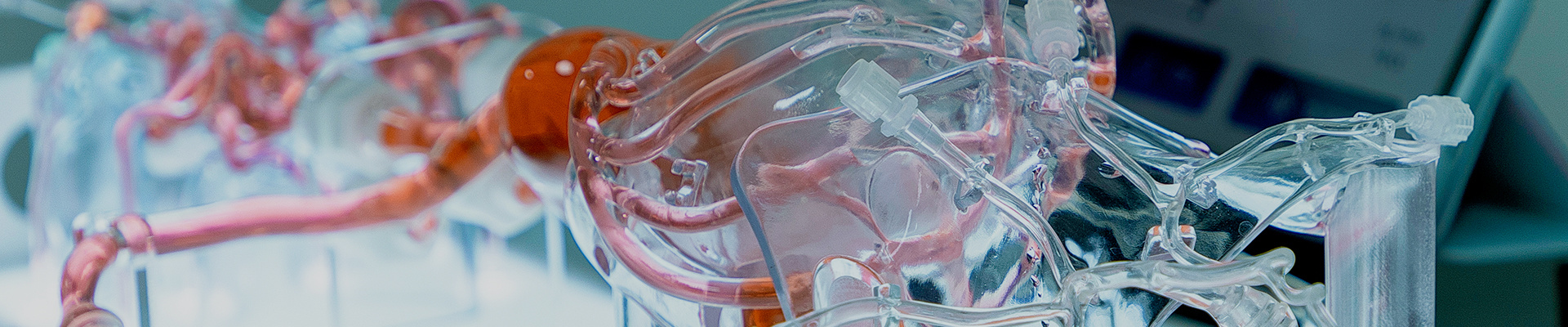

Microparticle Testing System
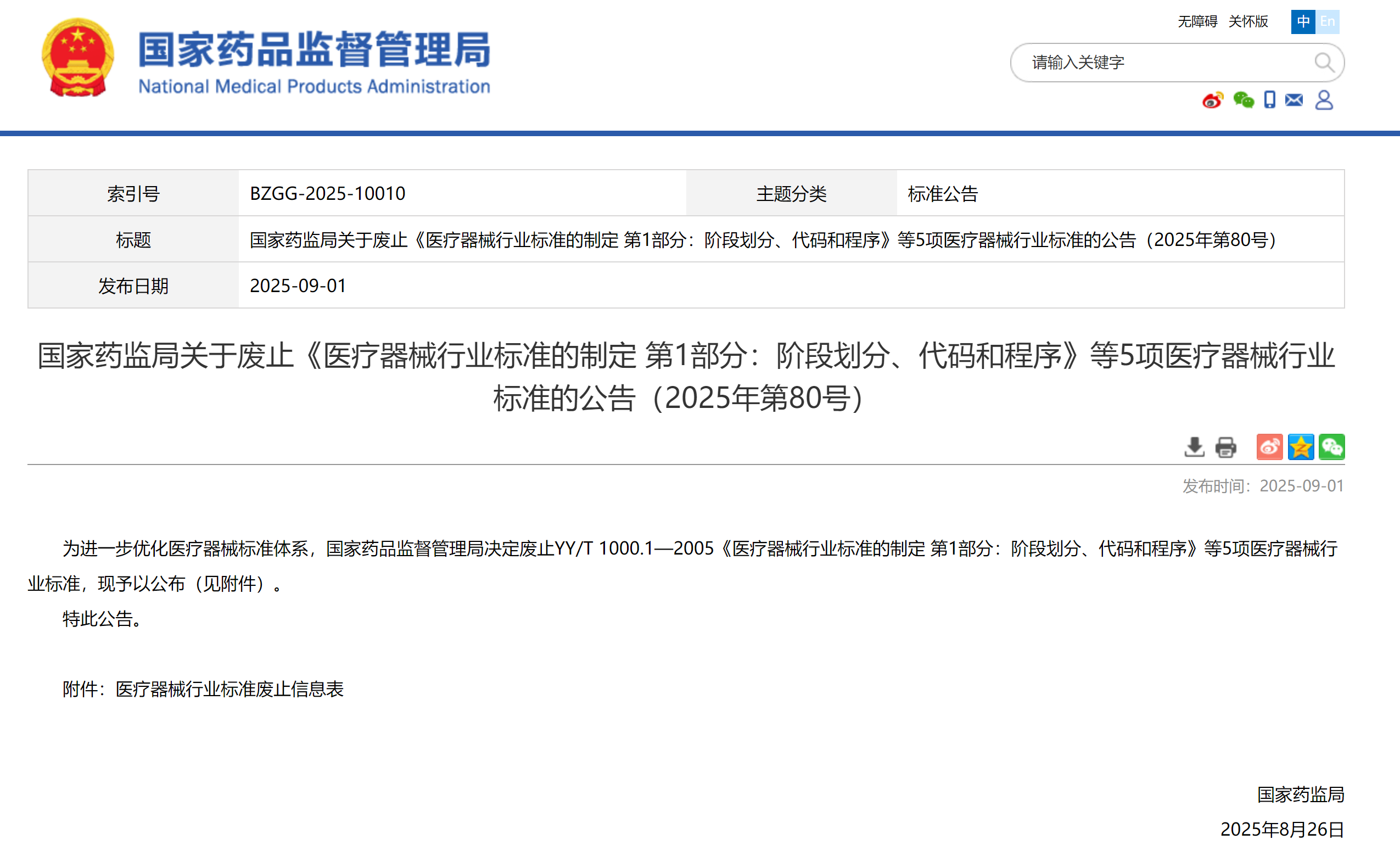
Based on the development of silicone lubricating coating technology and complex electromechanical systems, our company has launched a microparticle testing system for evaluating the adhesion durability of hydrophilic coatings on intravascular catheters and guidewires using the vascular model friction method specified in YYT 1898-2024. We are currently the only manufacturer in China that provides a complete solution for this test.
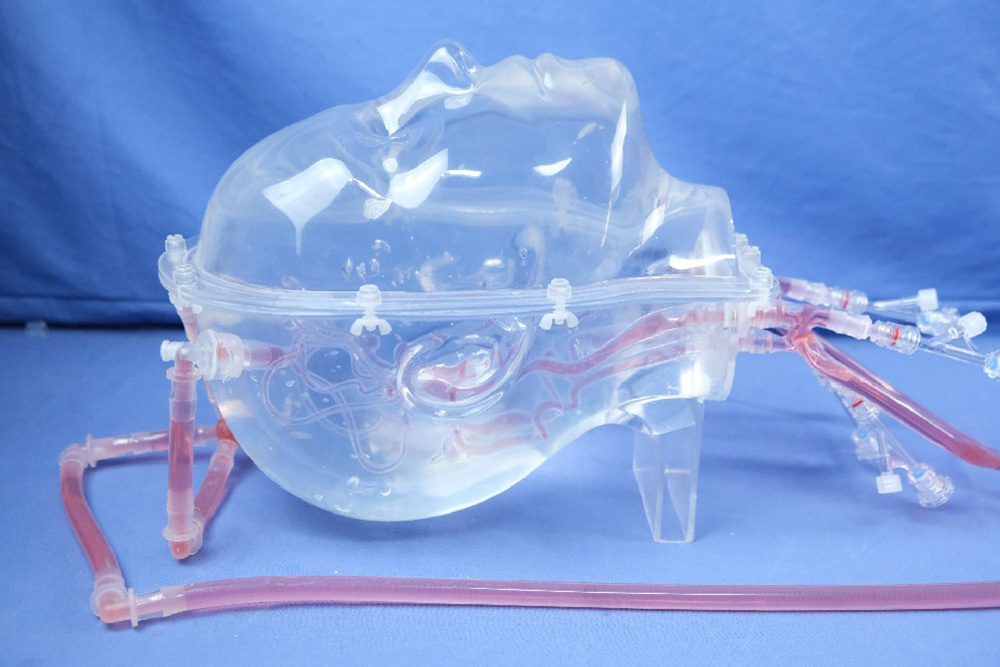
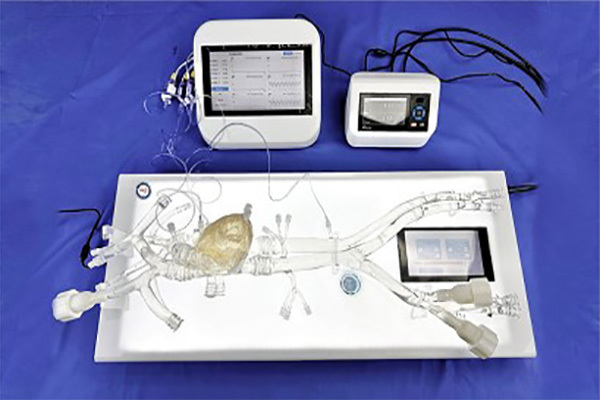
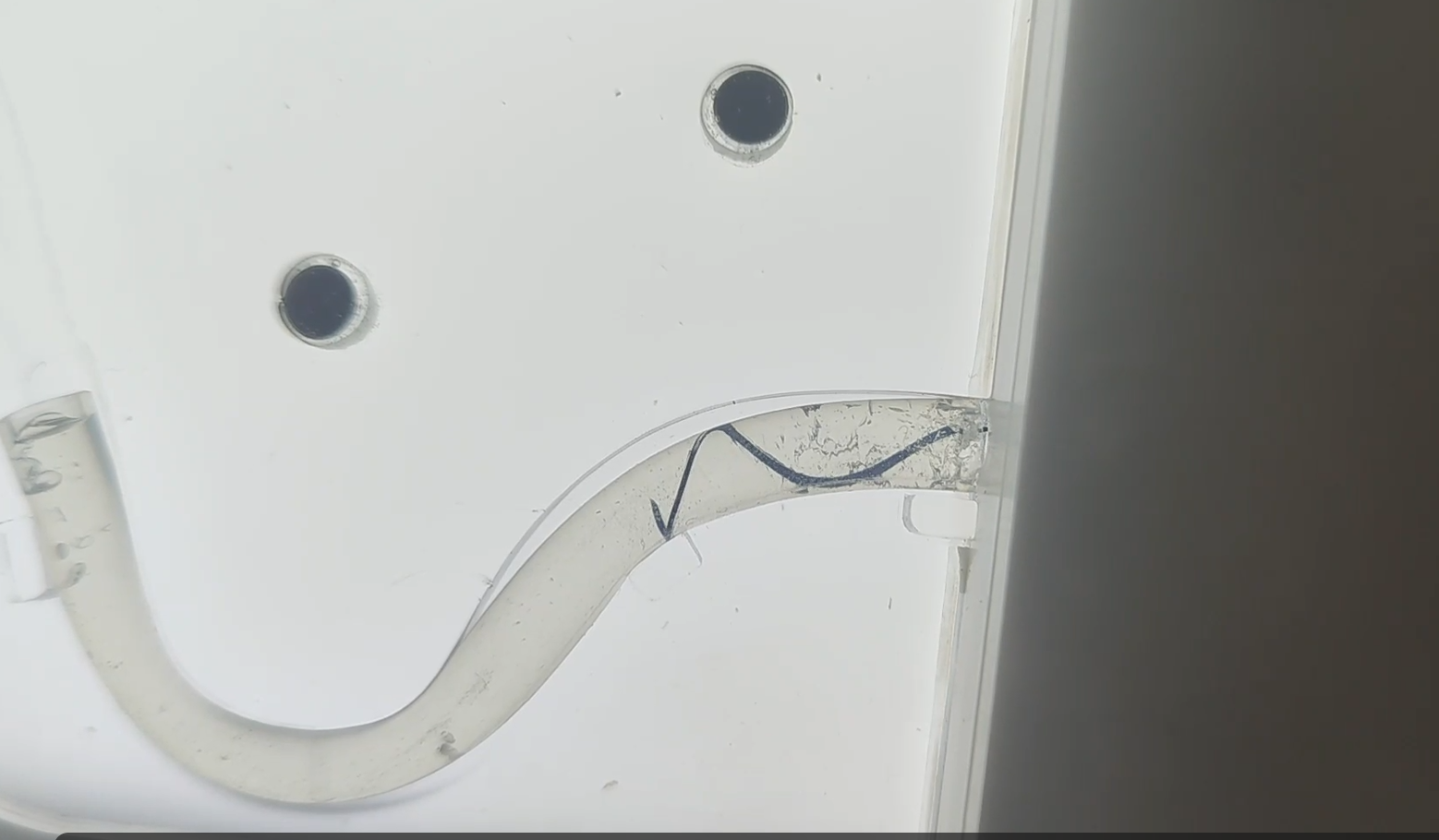
The system comprises a lubricated vascular model, a temperature control unit, a pump circulation system, and a microparticle detector. The vascular model is 3D-printed with our proprietary bionic elastic silicone, and its inner wall is treated with our unique coating process, offering near-real vascular lubrication and strong adhesion. Catheters and guidewires can be smoothly advanced and retracted without additional lubricants or contaminants. The temperature and circulation systems provide a stable bionic fluid environment according to industry standards, and the pump adopts a non-contact drive to prevent extra particle generation. The high-precision detector delivers accurate microparticle data to assess coating durability, supporting vascular interventional devices with lubricious coatings and helping enterprises and research institutions improve quality, enhance R&D efficiency, and ensure product safety and effectiveness.
The system complies with the Guideline for Registration Review of Vascular Interventional Devices with Lubricious Coatings issued by the NMPA CMDE and the testing requirements of the Chinese Pharmacopoeia (CHP), ensuring standardized and comparable results.
Market price:
¥ 999
Retail price:
¥ 999
Inventory remaining:
100
Specialty:
Microparticle Testing System
Keywords:
vascular
microparticle
model
Email: sales@deweimed.com
隐藏域元素占位
Microparticle Testing System
Based on the development of silicone lubricating coating technology and complex electromechanical systems, our company has launched a microparticle testing system for evaluating the adhesion durability of hydrophilic coatings on intravascular catheters and guidewires using the vascular model friction method specified in YYT 1898-2024. We are currently the only manufacturer in China that provides a complete solution for this test.
The system comprises a lubricated vascular model, a temperature control unit, a pump circulation system, and a microparticle detector. The vascular model is 3D-printed with our proprietary bionic elastic silicone, and its inner wall is treated with our unique coating process, offering near-real vascular lubrication and strong adhesion. Catheters and guidewires can be smoothly advanced and retracted without additional lubricants or contaminants. The temperature and circulation systems provide a stable bionic fluid environment according to industry standards, and the pump adopts a non-contact drive to prevent extra particle generation. The high-precision detector delivers accurate microparticle data to assess coating durability, supporting vascular interventional devices with lubricious coatings and helping enterprises and research institutions improve quality, enhance R&D efficiency, and ensure product safety and effectiveness.
The system complies with the Guideline for Registration Review of Vascular Interventional Devices with Lubricious Coatings issued by the NMPA CMDE and the testing requirements of the Chinese Pharmacopoeia (CHP), ensuring standardized and comparable results.
Category:
Microparticle Testing System
Keywords:
vascular
microparticle
model
Technical Highlights

Product Features
Data Analysis
Equipped with data storage functionality, allowing operators to record and analyze test data conveniently.
Solvent Resistance
The sample injection tube is made of solvent-resistant material and can be used for testing special solutions such as organic solvents and oil-based media.
High Accuracy
The stirrer features adjustable, frictionless rotation, ensuring uniform microparticle distribution and high data accuracy.
Easy Operation
Simple to operate, convenient for testing, featuring high sensitivity, efficient detection, and reliable, realistic data.
Adjustable Parameters
Equipped with a high-precision high-pressure syringe pump injection system, allowing users to set the sample injection volume and injection speed as needed.
LCD Display
Features an LCD screen with a customizable interface, capable of displaying multi-channel test results simultaneously.
Research-Oriented
Meets the research needs of scientists for studying the physical properties of device coatings, as well as developing new materials and processes.
Customizable Models
Different vascular models can be customized and switched to simulate various application scenarios for collecting microparticles caused by coating shedding and evaluating coating integrity.
Structure
Single small vascular model, temperature control system, pump circulation system, and microparticle detection equipment.
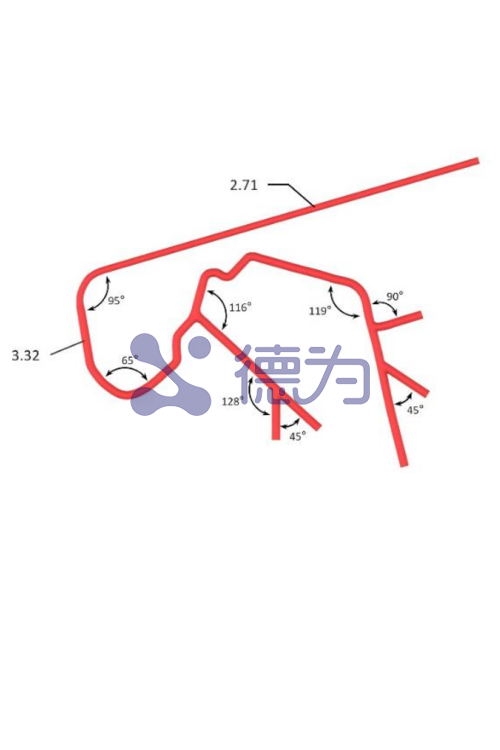
Dimension Drawing
Customization
Range Customization: Vascular model can be customized according to actual application scenarios.
Accessories
Custom-made suitcase
Parameters
Type | Microparticle Testing System |
Image | |
Model | PTS-001 |
Structure | Single small vascular model, temperature control system, pump circulation system, microparticle detection device |
Channel Configuration | 64 particle size channels displayed simultaneously; customizable hundreds of particle size settings; accuracy: 0.1 μm |
Particle Size Range | 1–500 μm |
Counting Range | 0–9,999,999 particles |
Injection Volume Accuracy | < ±0.5% |
Injection Volume | 0.2–1000 ml (accuracy: 0.1 ml) |
Injection Speed | 5–80 ml/min |
Counting Accuracy | < specified value ±5% |
Relative Standard Deviation (RSD) | <1.5% (standard particles >1000 particles/ml) |
Stirring Speed | 0–1000 rpm |
Stable Flow Accuracy | ±1.5% |
Stable Flow Rate Range | 0–2300 ml/min |
Maximum Pressure | 100 mmHg |
Limit Detection Concentration | 18,000 particles/ml |
Operating Temperature | 10–40°C |
Power Supply | 100–240 VAC; 50/60 Hz; <80 W |
Rated Power | 12 V/1 A, 12 W |
Data Output | Dot matrix printer, RS232 interface, USB storage interface |
Channel Resolution | >95% |
Model Dimensions | 560 × 320 × 150 mm |
Weight | 5 kg |
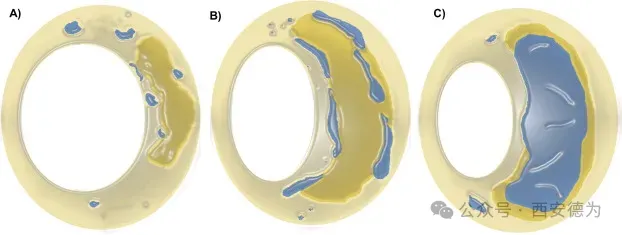
Test Report
![[Product Collection] 03 Simulation Model – Electrophysiological Heart Model | Electrophysiology Experiment Simulation Platform](https://omo-oss-image.thefastimg.com/portal-saas/pg2025062712083980606/cms/image/4e1bf213-7648-48ff-8d4b-90432db50076.jpeg "[Product Collection] 03 Simulation Model – Electrophysiological Heart Model | Electrophysiology Experiment Simulation Platform")
![[Product Collection] 03 Simulation Model – Pulmonary Artery Intervention Vascular Model | Modular Components](https://omo-oss-image.thefastimg.com/portal-saas/pg2025062712083980606/cms/image/da013bff-6451-4bda-a042-77fb4dcb225f.jpeg "[Product Collection] 03 Simulation Model – Pulmonary Artery Intervention Vascular Model | Modular Components")
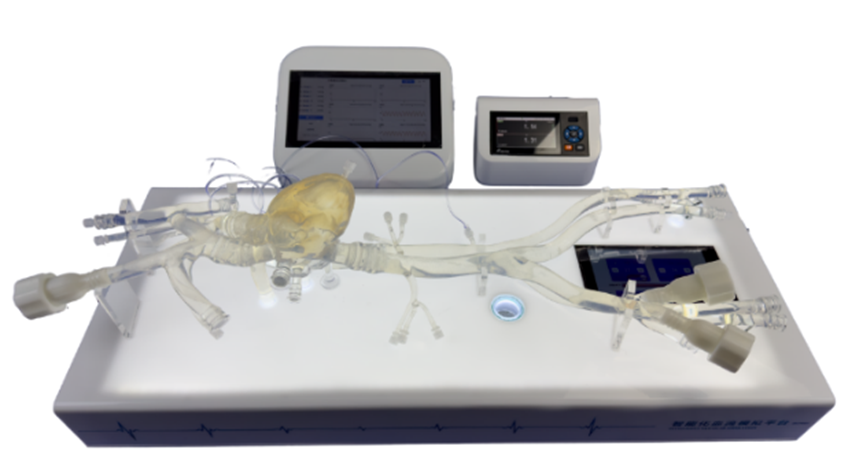
![[Product Collection] 03 Simulation Model – Left Atrial Appendage Occlusion Heart Model | Precise Deployment for Intuitive Evaluation](https://omo-oss-image.thefastimg.com/portal-saas/pg2025062712083980606/cms/image/4d671622-558a-4d9b-93f1-aa29386f0c40.png "[Product Collection] 03 Simulation Model – Left Atrial Appendage Occlusion Heart Model | Precise Deployment for Intuitive Evaluation")
![[Product Collection] 03 Simulation Model – Peripheral Interventional Vascular Model | High-Precision 3D Data for Accurate, Empowering Simulations](https://omo-oss-image.thefastimg.com/portal-saas/pg2025062712083980606/cms/image/1acd9459-4c50-4def-860c-64bcd175de30.png "[Product Collection] 03 Simulation Model – Peripheral Interventional Vascular Model | High-Precision 3D Data for Accurate, Empowering Simulations")
Related videos
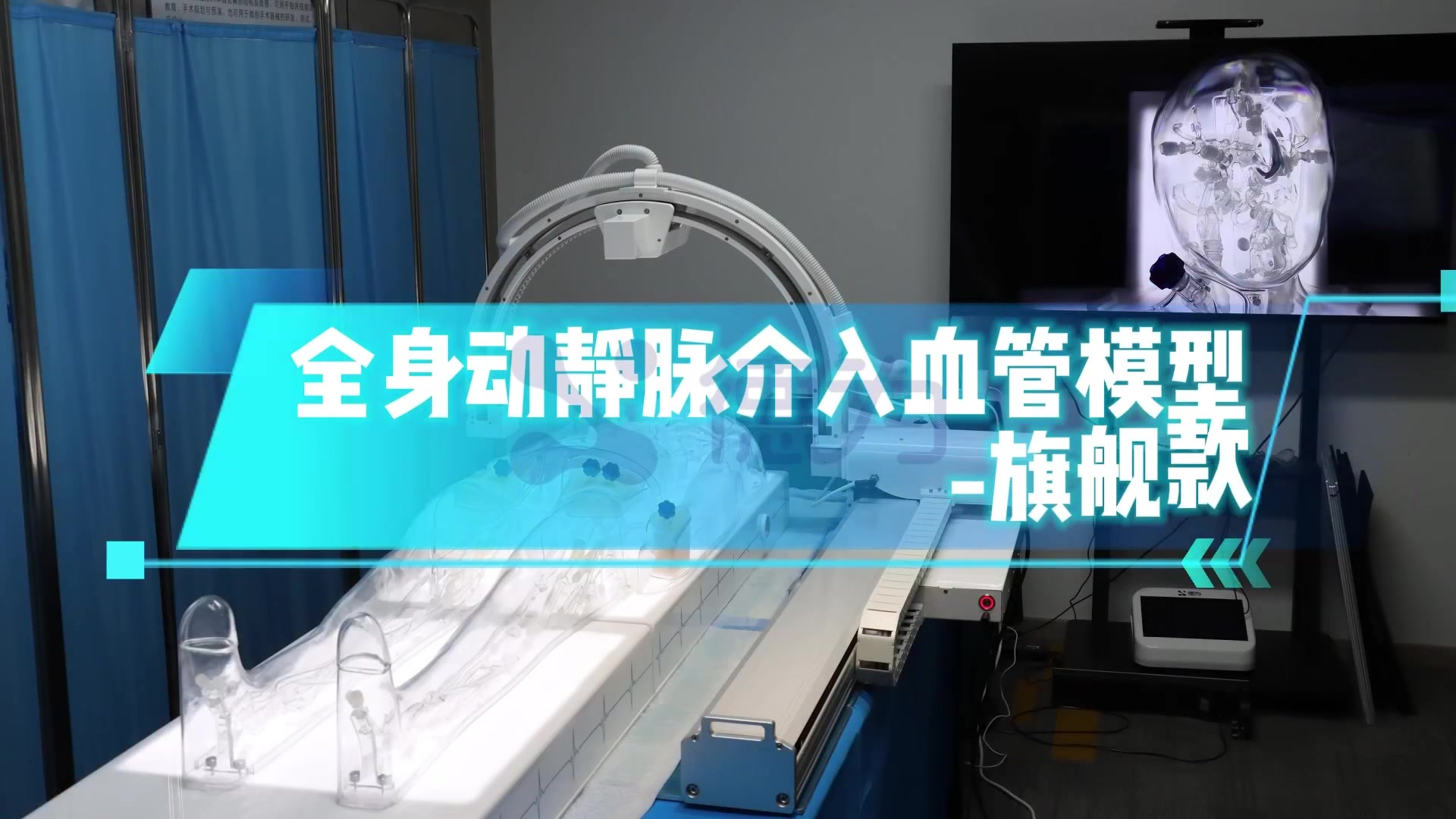
Full-Body Arteriovenous Intervention Vascular Model – Flagship Edition
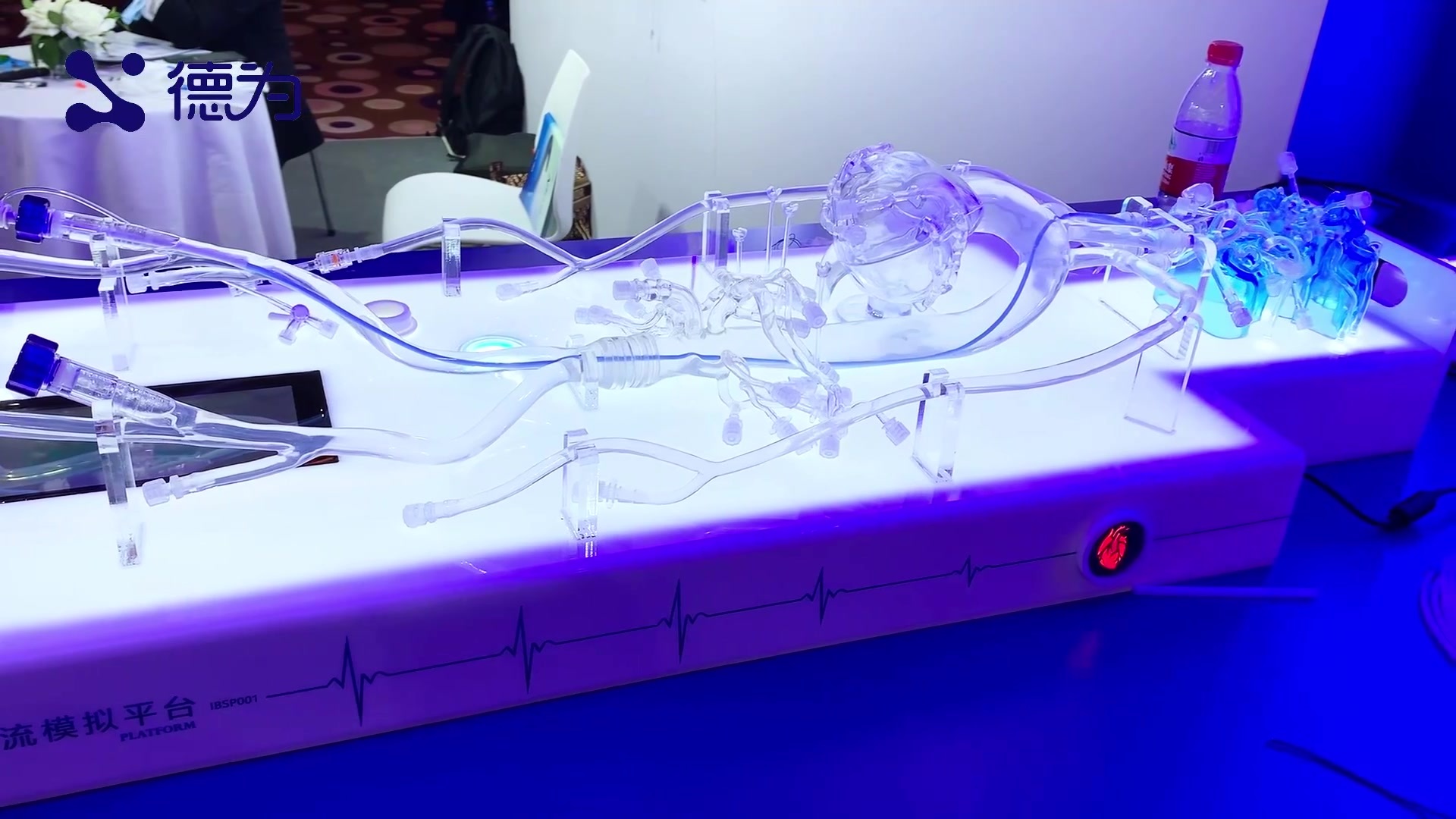
Highlights from the 2024 MedTec Event
Guide wire
Microcatheter
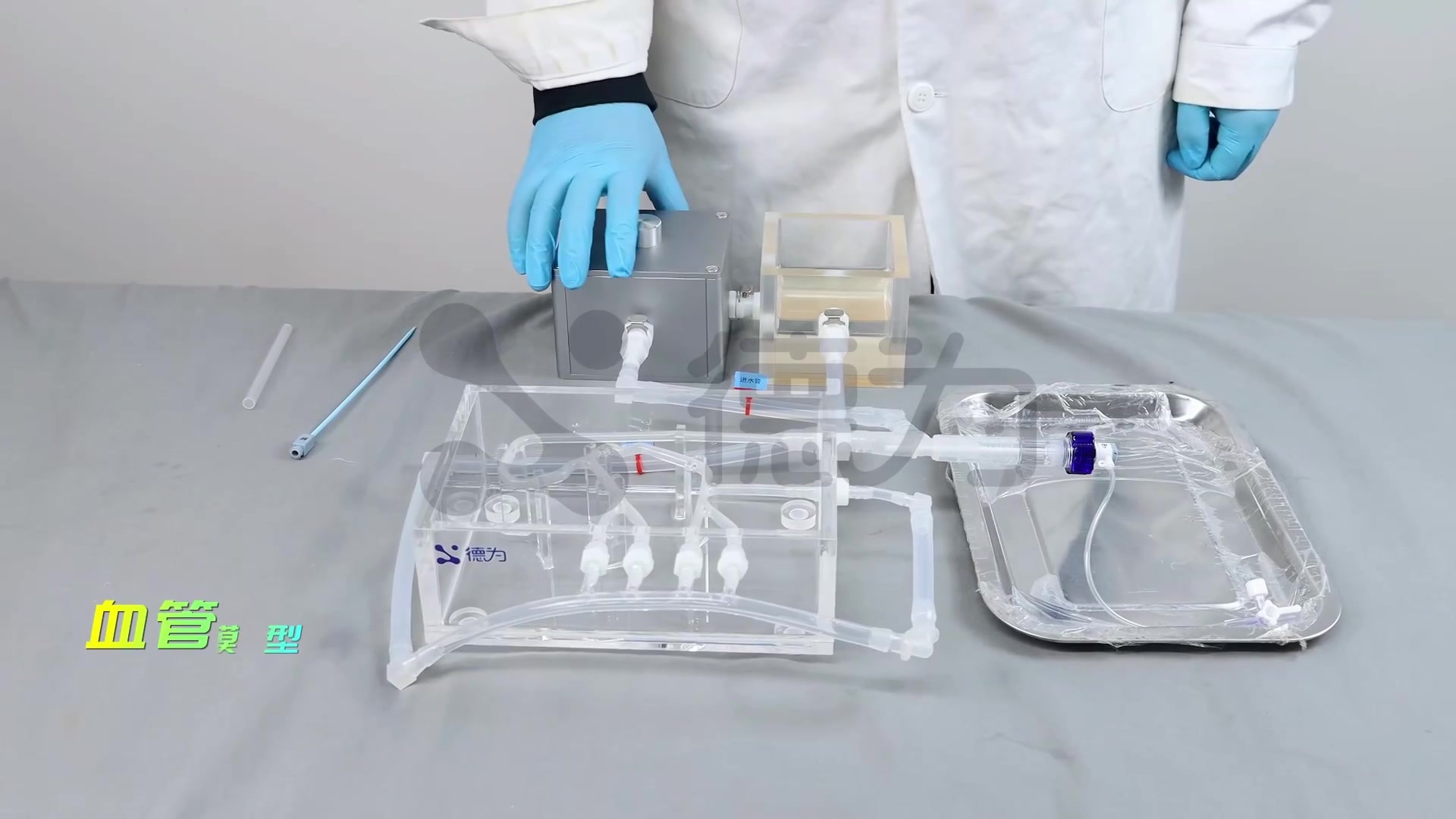
Vascular model demonstration
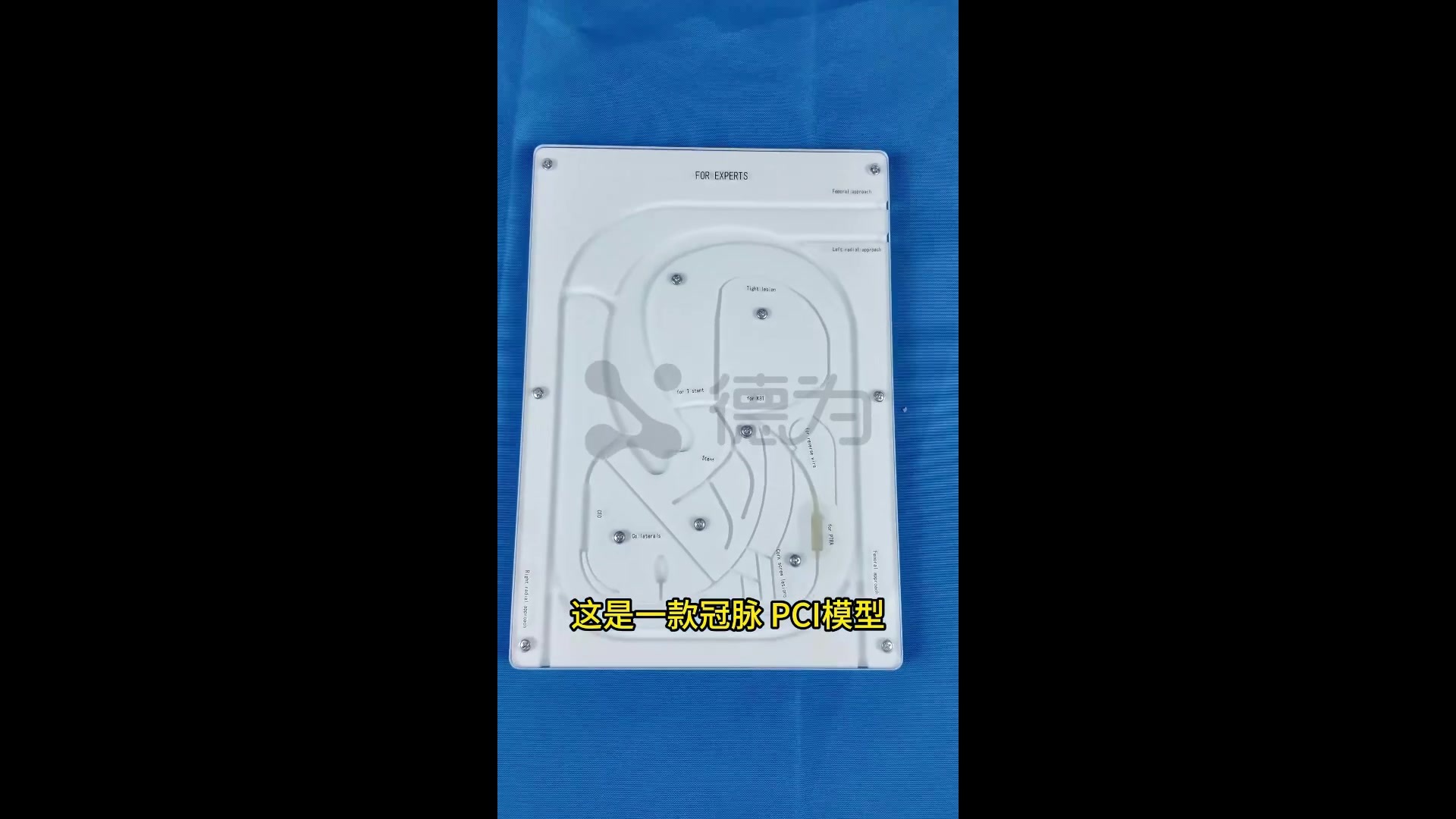
PCI Guidewire Passability Model
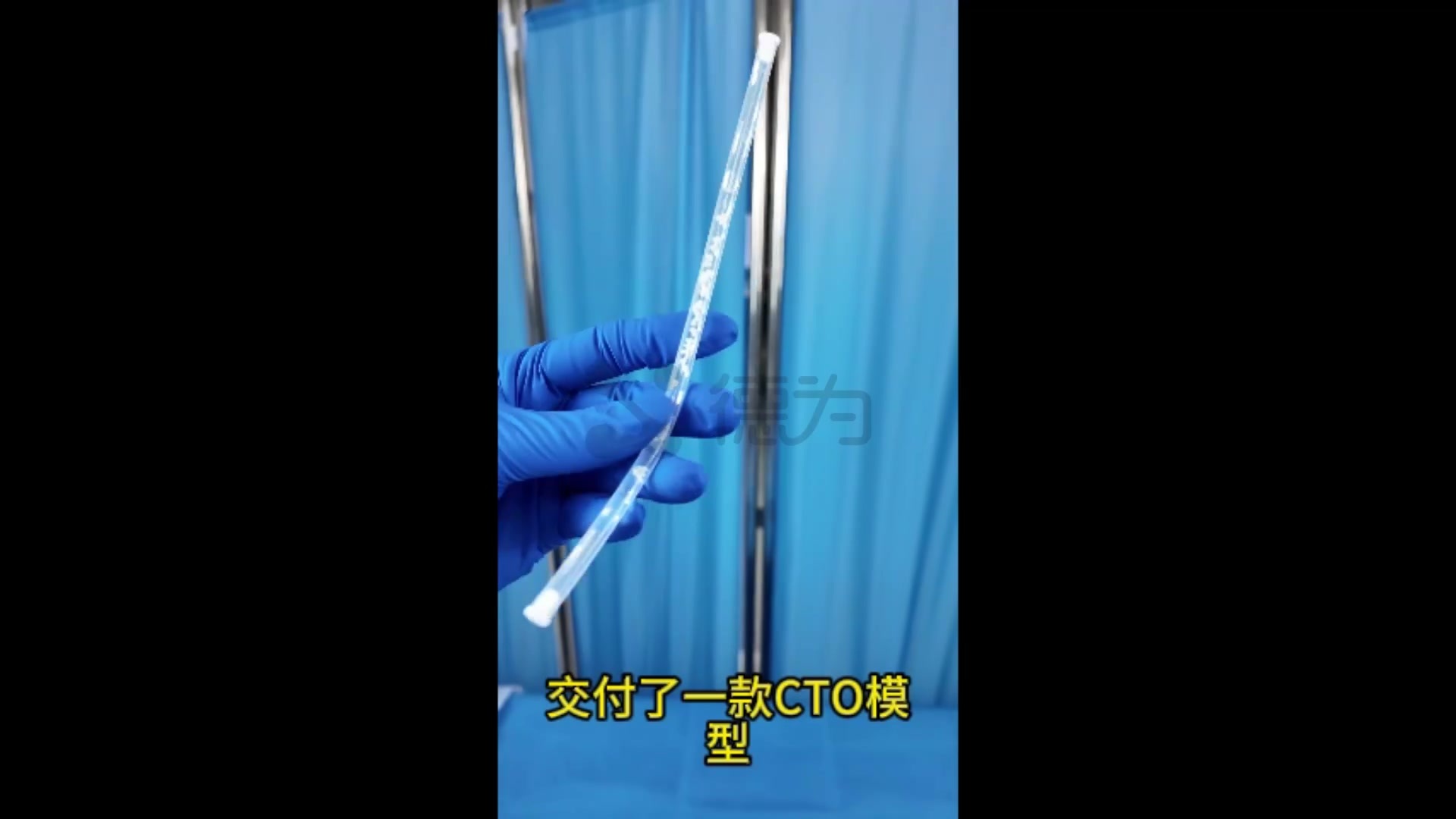
CTO Model
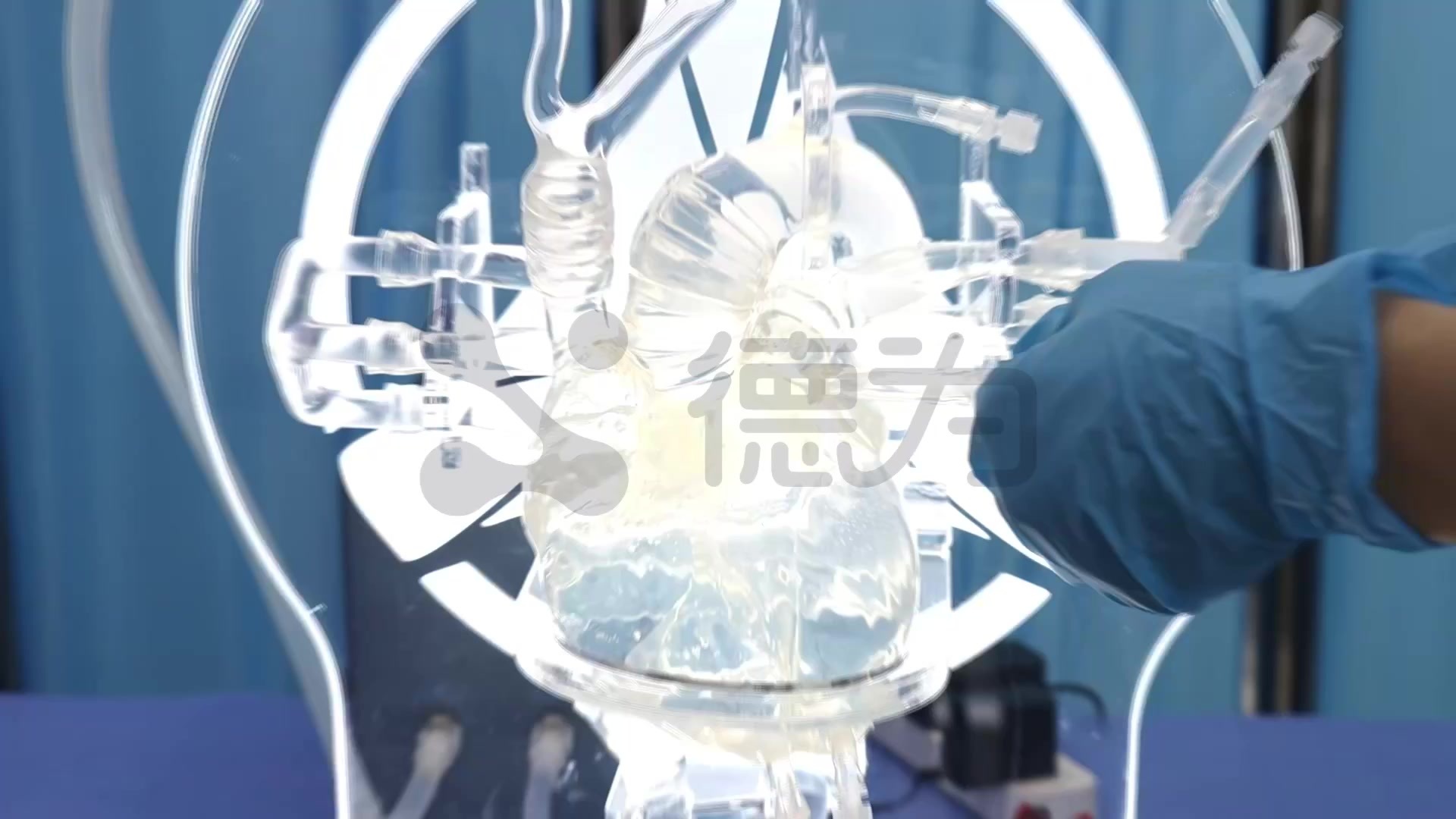
Vertical ECMO
Request a quote
*Please keep your phone accessible—we'll reach out to you within 24 hours.
ROADSHOW
Roadshow
Contact us
Address: Wangzuo Qujiang, 3269 Yanxiang Road, Yanta District, Xi'an City
Official Account
Pre-sales Consultation
Leave a Message Online


